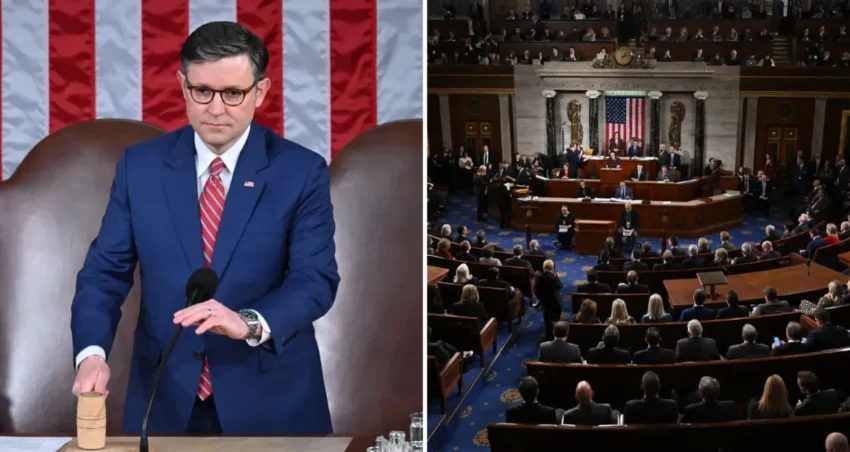
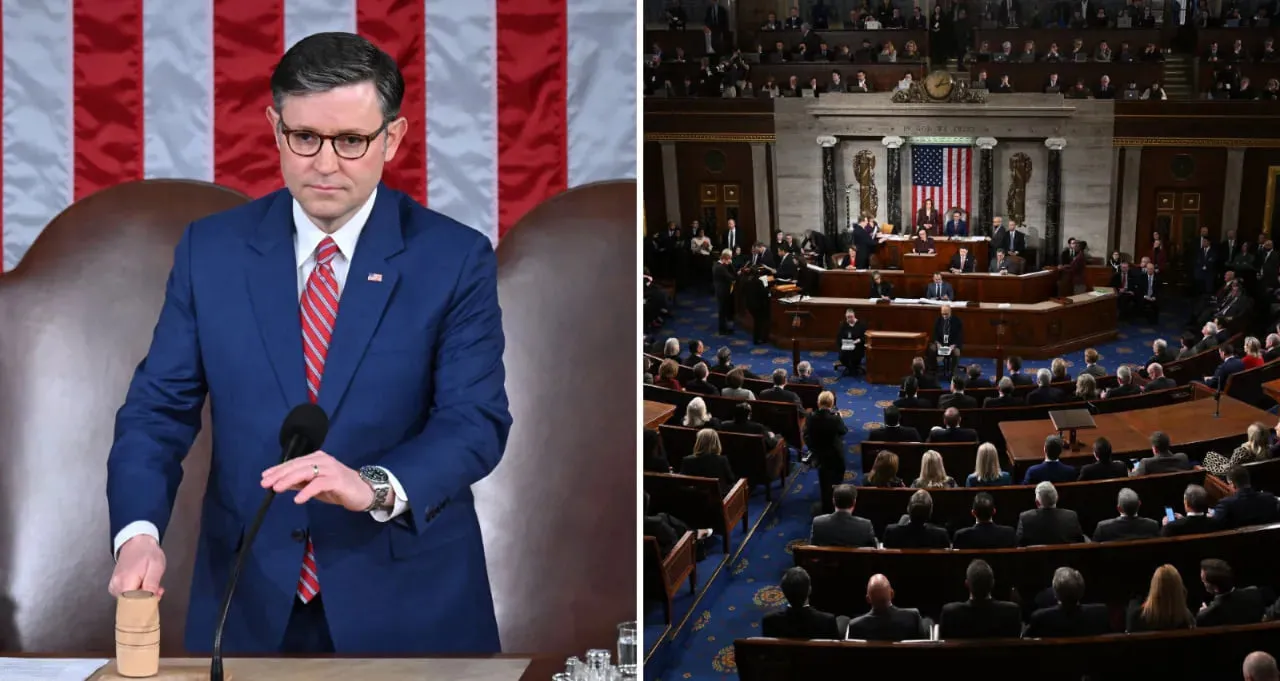
President Donald Trump signed a $1.2 trillion spending package late Tuesday night, officially ending a weeklong partial government shutdown. The measure restores funding to most federal agencies, ensuring that essential services resume normal operations. The President stated that the action was necessary to prevent further economic disruption and to maintain government stability.
The legislation passed the House with a narrow 217–214 vote, highlighting significant policy divisions within Congress. Key technical aspects of the bill include:
Temporary DHS Funding: While most departments are funded through September, the Department of Homeland Security (DHS) is only funded until February 13, leaving a 10-day window for further negotiations.
Bipartisan Voting Dynamics: The bill cleared the House with the support of 21 Democrats, while 21 Republicans voted against it, citing the absence of long-term border security and election integrity provisions.
Resource Allocation: Speaker Mike Johnson noted that despite the short-term patch for DHS, agencies like ICE and CBP retain substantial resources from previous budget cycles to continue their missions.
The agreement also brings to the forefront ongoing discussions regarding immigration enforcement protocols and oversight. Notable administrative developments include:
Implementation of Body Cameras: Secretary Kristi Noem confirmed that ICE has begun requiring agents in Minneapolis to wear body-cameras, a policy intended to be expanded nationwide as funding permits.
Demands for Accountability: Democratic leadership continues to press for stricter oversight, including the use of judicial warrants and increased transparency in enforcement operations.
Next Steps: With the government reopened, the administration and lawmakers now focus on resolving the outstanding disputes over DHS funding and border policy before the mid-February deadline.