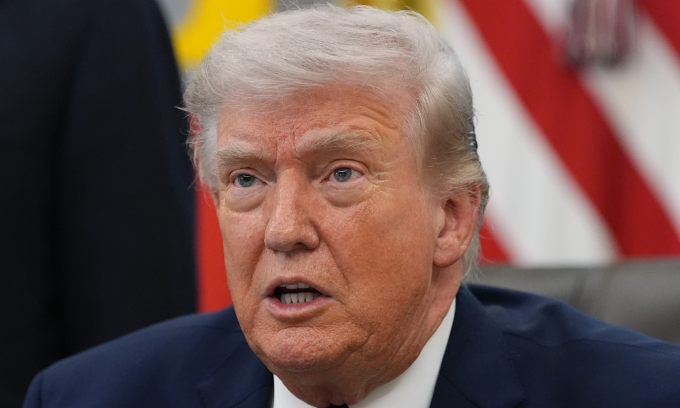
President Donald Trump said the ongoing conflict with Iran could end “very soon,” potentially within a matter of weeks, as Tehran signaled it would be open to a ceasefire if attacks stop.
Speaking at a White House event on March 31, Trump was asked about rising fuel prices following the escalation in the Middle East. He responded, “All I have to do is leave Iran.”
“We’re going to be doing that very soon,” he added, predicting oil prices would drop sharply afterward. “We’re finishing the job. I think within the next two weeks — maybe even a little sooner.”
Trump also suggested the conflict could end even without a formal agreement between Washington and Tehran.
“No, they don’t need to make a deal with me,” he said. “When we feel they’ve been pushed back to the Stone Age long enough and can’t build nuclear weapons, we’ll leave.”
This marks Trump’s clearest indication yet that the U.S. intends to wrap up a campaign that has lasted more than a month. The conflict has reshaped regional dynamics, disrupted global energy flows, and shifted the trajectory of his presidency.
At a press briefing the same day, Defense Secretary Pete Hegseth did not rule out deploying ground forces to Iran. He said the coming days would be “decisive” for the conflict.
“Iran knows that — and there’s very little they can do militarily,” Hegseth said.
Meanwhile, Iranian President Masoud Pezeshkian stated that Iran would agree to a ceasefire if it receives guarantees that it will not be attacked again.
“We have never sought tension or war at any stage,” he said. “But we are determined to end this conflict if the necessary conditions are met — especially guarantees to prevent further aggression.”
After strikes by the U.S. and Israel on February 28, Iran launched retaliatory attacks targeting military sites and energy infrastructure across the Middle East using missiles and drones.
Tehran has also effectively restricted access through the Strait of Hormuz, a critical chokepoint through which about 20% of the world’s crude oil supply passes. Iran said “non-hostile vessels” may still pass if they coordinate with Tehran and comply with its announced security measures.