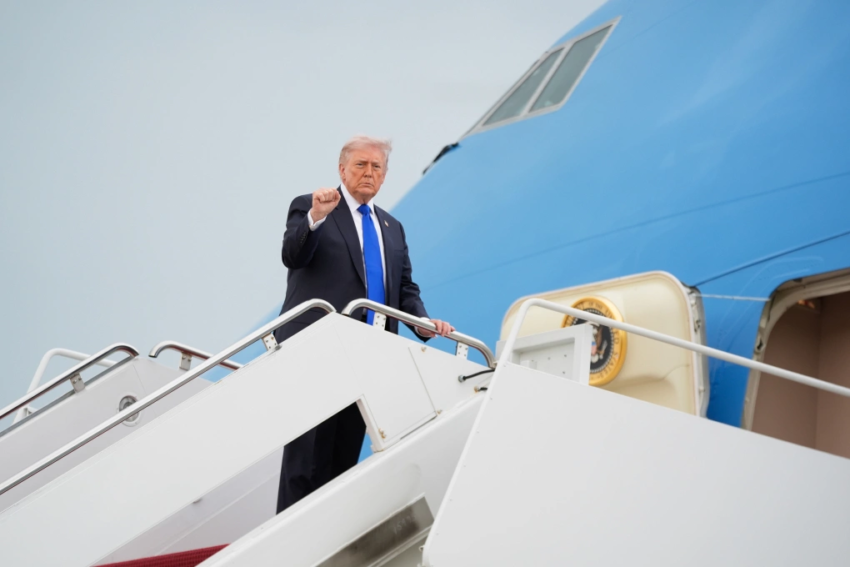
President Donald Trump expressed optimism on April 24 that Iran is preparing a new proposal designed to satisfy key American requirements, even as tensions remain high over the Strait of Hormuz and Tehran’s nuclear program.
“I don’t want to reveal too much, but we’re working with the people in charge right now,” Trump told Reuters in a phone interview. “They’re putting forward a proposal and we’ll see what it looks like.”
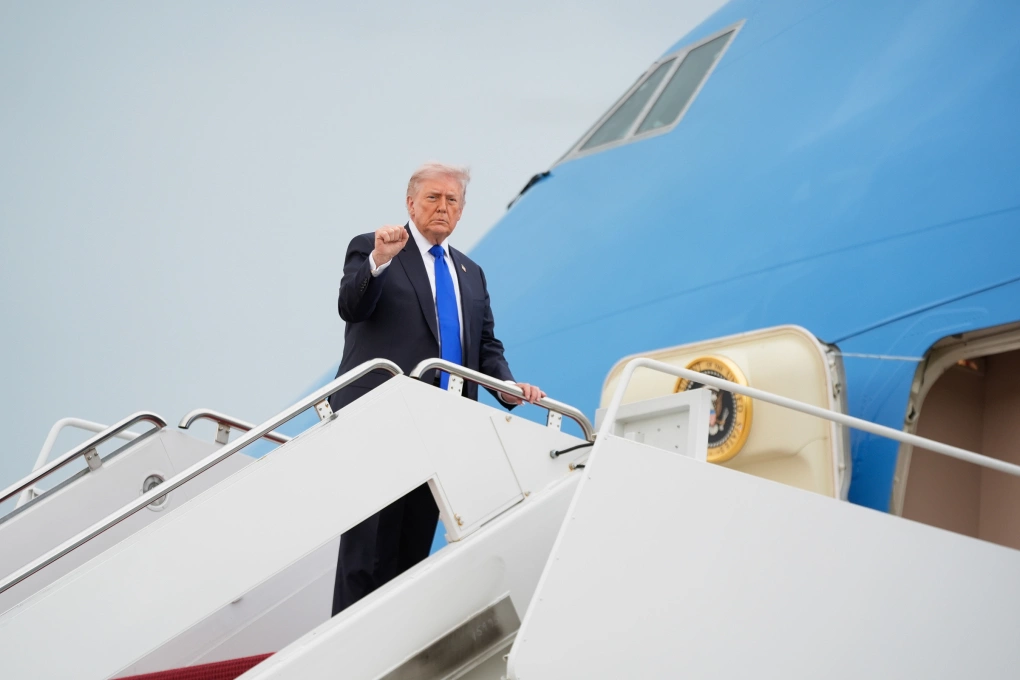
The White House confirmed that senior U.S. envoys Steve Witkoff and Jared Kushner will travel to Islamabad, Pakistan, on April 25 for direct talks with Iranian representatives. White House Press Secretary Karoline Leavitt said Iran had requested the meeting, raising hopes for progress toward a lasting agreement.
Trump has consistently demanded that any deal must include Iran ending uranium enrichment and guaranteeing free passage of oil through the critical Strait of Hormuz. Vice President JD Vance, who led the first round of talks in Islamabad two weeks ago, will remain on standby but is not expected to attend this session.
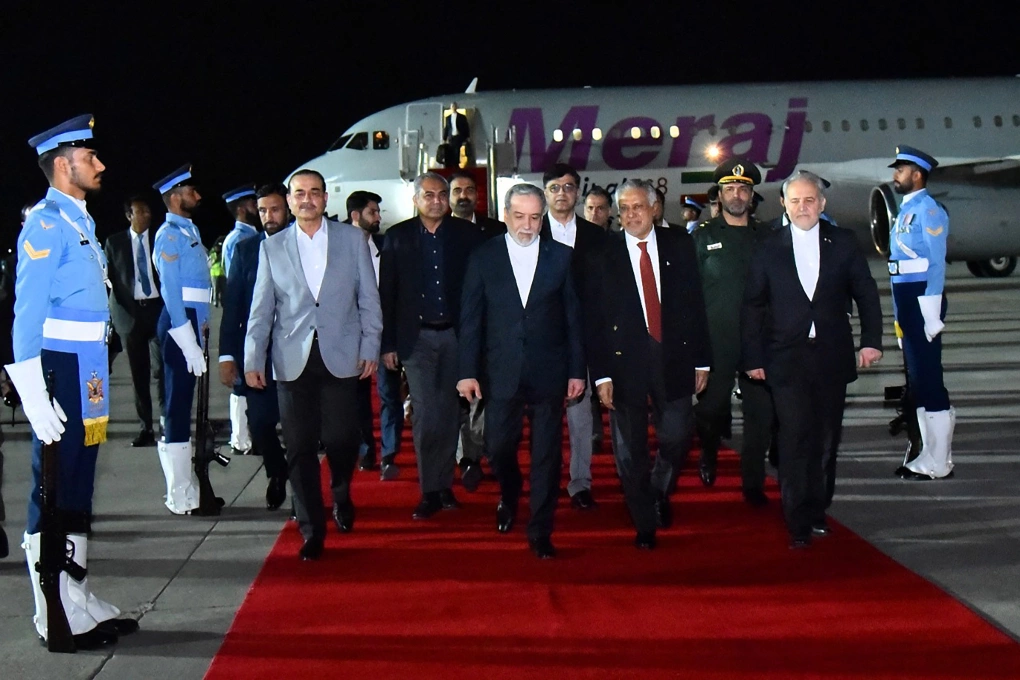
Iran, however, pushed back on the idea of face-to-face meetings. Foreign Ministry spokesman Esmaeil Baqaei stated there would be no direct U.S.-Iran encounter, with Iran’s position to be conveyed through Pakistani intermediaries. Iranian Foreign Minister Abbas Araqchi arrived in Islamabad on April 24 for discussions with Pakistani officials.
The two sides held nearly 21 hours of negotiations in Islamabad on April 11 but failed to bridge gaps on core issues, including control of the Strait of Hormuz and Iran’s nuclear activities. Trump subsequently imposed a naval blockade on Iranian ports to increase pressure, prompting Tehran to tighten its grip on the waterway in response.
Defense Secretary Pete Hegseth reiterated that Iran still has a chance for a “good deal” if it verifiably abandons its nuclear weapons ambitions. Trump has extended the current ceasefire, giving Tehran time to present concrete proposals.
With U.S. envoys heading to Pakistan and both sides signaling continued engagement, the coming days could prove pivotal. Success in these indirect talks may help ease one of the world’s most dangerous flashpoints — or set the stage for further escalation if the gaps remain too wide.