President Donald Trump directly addressed the sudden departure of Navy Secretary John Phelan, stating that clashes with Pentagon leadership over the ambitious new shipbuilding program were the main reason for his removal.
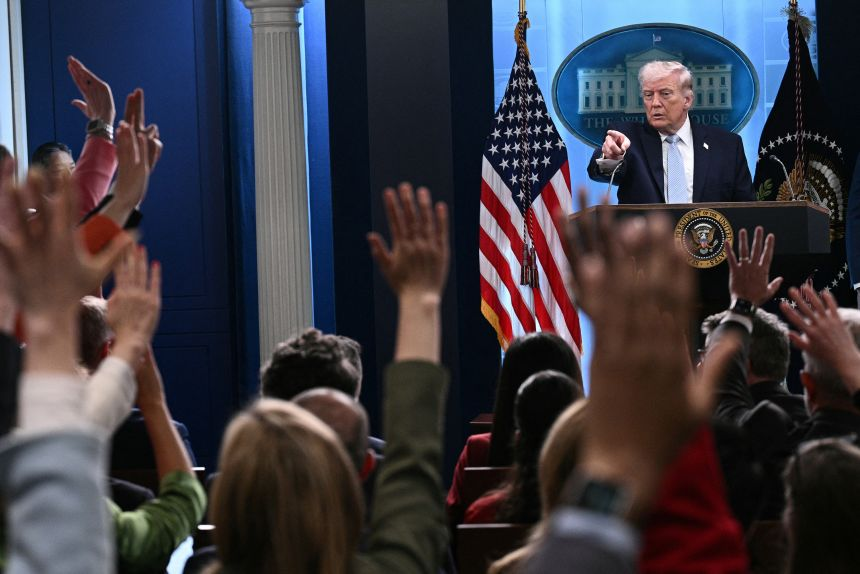
Speaking to reporters at the White House on April 23, Trump described Phelan as “decisive” but acknowledged he had “some conflicts with others, mainly about building and buying new ships.”
“You have to get along, especially in the military,” Trump added. “Some people liked him, some didn’t — that’s normal.”
The Pentagon announced Phelan’s exit on April 22, with Deputy Secretary Hung Cao stepping in as acting Navy Secretary. Officials gave no official reason at the time, but sources told Reuters that Phelan was pushed out partly for not moving fast enough on Trump’s shipbuilding priorities and for clashing with key Defense Department leaders, including Defense Secretary Pete Hegseth.
Phelan, a Florida billionaire private equity investor and longtime Trump donor, was the first civilian service secretary to lose his position in Trump’s second term. His chief of staff was fired months earlier, and tensions had been building for some time.
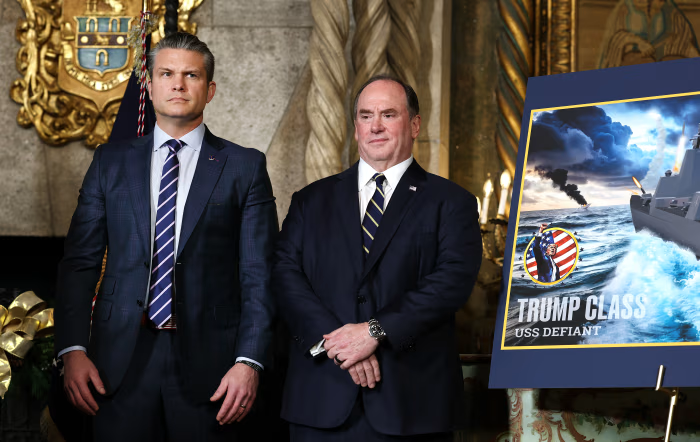
At the heart of the dispute was Trump’s high-profile push for a new class of massive warships — dubbed the Trump-class — intended to form the backbone of a strengthened “Golden Fleet” to counter China. Trump unveiled the concept in December 2025, calling for the first ships to be delivered by 2028, a timeline many experts called highly unrealistic.
Each vessel is estimated to cost $24–26 billion — far more expensive than current destroyers — and the program has faced internal resistance over its massive price tag and technical feasibility. While Phelan strongly backed the vision of large, powerful manned warships, Hegseth and other Pentagon leaders reportedly favored smaller, cheaper, unmanned surface vessels that offer greater flexibility.
The ouster underscores the intense pressure inside the Trump administration to rapidly expand American naval power. Trump has made modernizing the Navy a top priority, but the high-stakes debate over how to do it has already claimed its first major casualty at the top.
As the search for a permanent replacement begins, the episode highlights the challenges of balancing bold presidential ambitions with the realities of military procurement and internal Pentagon dynamics.