It began as an ordinary moment—just a quick stop in a parked car. But in a heartbreaking instant, something inside that vehicle turned deadly.
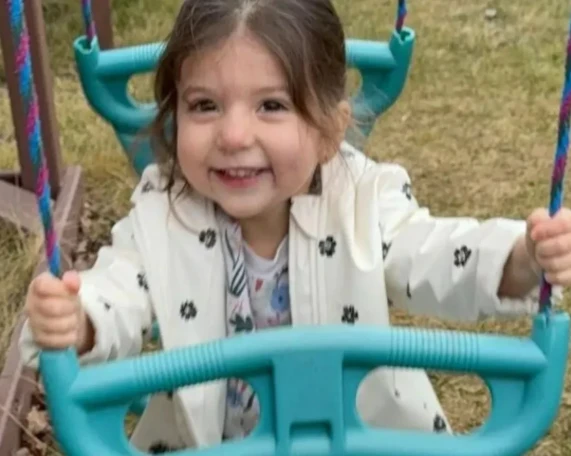
On March 7, 2026, in Akron, Ohio, 2-year-old Lucia Natalia Ayala was sitting in the third row of her family’s brand-new Hyundai Palisade while her father stepped away briefly. What should have been a safe, routine pause became a nightmare when a power seat suddenly moved and trapped the little girl.
Family members and bystanders desperately tried to free her, but the seat only responded on one side. Precious minutes passed as they fought to reverse the mechanism. By the time Lucia was pulled out, it was too late.
She was rushed to the hospital but did not survive. The medical examiner ruled her death accidental, caused by mechanical asphyxiation — a horrifying outcome few could ever imagine happening inside a modern family SUV.
The tragedy quickly focused attention on the vehicle itself. How could a power seat designed for comfort fail to detect a small child in its path? Hyundai has since issued a stop-sale and recall for tens of thousands of affected vehicles, citing concerns that certain power seats may not properly recognize resistance during movement.
Software updates and safety enhancements are now being rolled out, but for Lucia’s grieving family, those changes came far too late.
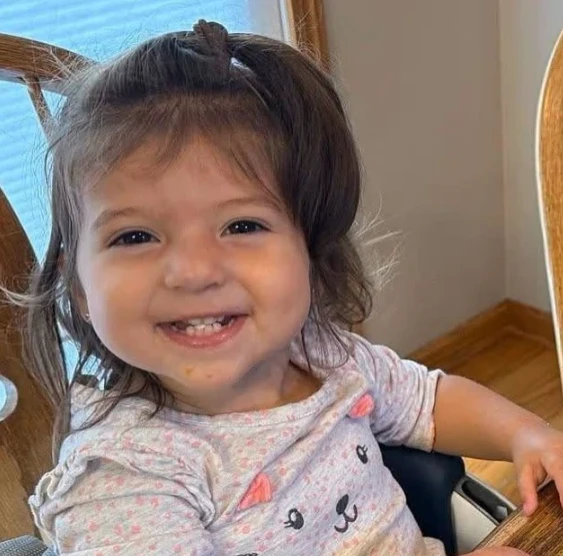
This heartbreaking case has left many parents unsettled. In our increasingly automated world, we trust everyday features like power seats, automatic doors, and smart systems to make life easier. But when those systems fail, the consequences can be sudden, silent, and devastating.
Lucia’s story is a painful reminder that behind every convenience lies a responsibility — and sometimes, even the simplest things we take for granted can change a family’s world forever.
Our thoughts and prayers are with Lucia’s family during this unimaginable time.