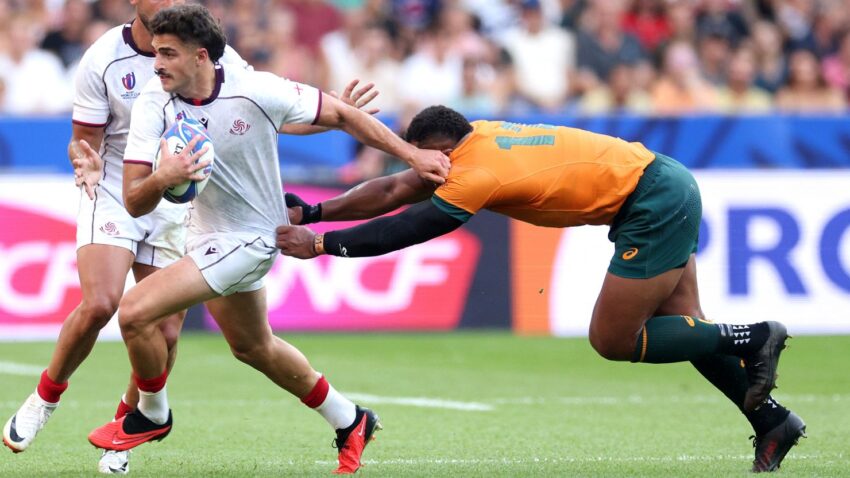
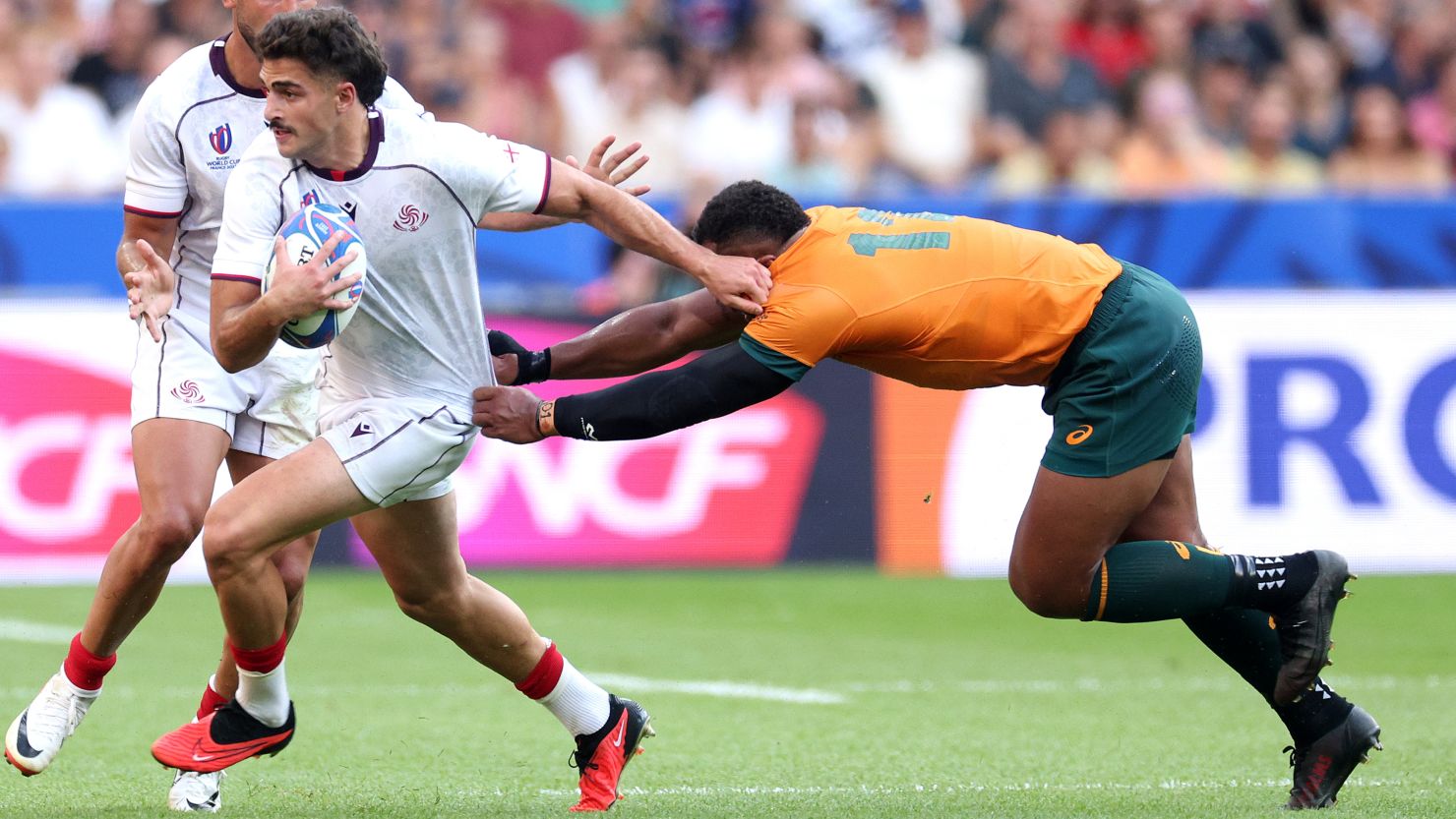
In a bombshell revelation that has sent shockwaves through the world of rugby and the broader anti-doping community, Operation Obsidian—a major joint investigation by the World Anti-Doping Agency (WADA) and World Rugby—exposed a systematic doping cover-up within Georgia’s men’s national rugby union team. Announced on March 13, 2026, the findings confirmed anti-doping rule violations (ADRVs) against six players and one member of the athlete support personnel from the Georgian senior XVs squad. The scandal involved an “orchestrated scheme” of urine sample substitution, advance warnings of tests, and serious breaches by the Georgian Anti-Doping Agency (GADA).
The probe, launched in 2023 after irregularities surfaced in World Rugby’s biological passport program ahead of the 2023 Rugby World Cup in France, uncovered five documented instances of sample substitution—a prohibited method under Article 2.2 of the World Anti-Doping Code. Players allegedly swapped urine samples to mask the use of recreational drugs, while employees of GADA reportedly provided advance notice of upcoming tests. Doping control officers failed to properly observe athletes or witness the urine passing, violating international standards for testing and investigations.
WADA President Witold Bańka described the situation as “outrageous,” stating that it would send shockwaves through Georgian sport and the global game. The agency has since lost confidence in GADA and urged the Georgian government to implement wholesale changes to restore integrity in the country’s anti-doping system. Investigations into other Georgian sports may follow.
Georgia rugby had been one of the most inspiring success stories in European rugby over the past decade. The Lelos rose steadily in the world rankings, reaching a high of 11th, securing qualification for the 2027 Rugby World Cup, and boasting an impressive unbeaten streak of 35 matches in the Rugby Europe Championship. Their passionate, physical style earned admiration worldwide. This scandal, however, tarnishes that legacy and raises uncomfortable questions about how deep the issues run. The Georgian Rugby Union acknowledged the seriousness of the matter, confirming that those involved are no longer part of the national setup and that no current players have been implicated since the incidents.
The sanctions come as a heavy blow to a proud rugby nation that has invested heavily in developing the sport. While some of the banned players (five of whom are reportedly appealing) were internationals from the 2023 World Cup era, the scandal echoes past state-linked doping cases, though here it appears more localized to recreational drug concealment rather than performance enhancement on a massive scale. Still, the systemic failures in testing protocols highlight vulnerabilities that threaten the credibility of clean sport.

Operation Obsidian stands as a stark reminder that no team or nation is above the rules. For Georgia, rebuilding trust will require transparency, reform, and a renewed commitment to fair play. Rugby fans around the world will be watching closely to see how the Lelos respond—whether they emerge stronger and cleaner, or if this marks the beginning of a deeper reckoning for Georgian sport.
The integrity of competition depends on it. As WADA and World Rugby continue to push for a level playing field, cases like this underscore why rigorous, independent oversight remains essential in elite athletics.