
A peaceful morning at a Galveston beachfront hotel turned into pure nightmare when a 17-month-old toddler named Hannah was found bleeding out on the sidewalk below an upper-floor balcony. What cops uncovered next ripped the community apart: her own mother, Channel Yonko, had allegedly stabbed the tiny girl multiple times in the back before tossing her over the edge in a horrifying hotel murder that ended with a Houston jury rejecting every insanity claim and handing down a life sentence with no parole.
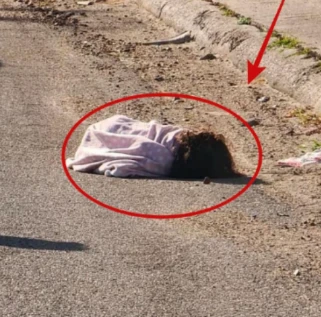
The nightmare exploded on October 23, 2024, at the Beachfront Palms Hotel. Around 10:18 a.m., frantic 911 calls flooded in after witnesses spotted the little girl lying crumpled and injured on the concrete. Officers raced to the scene and discovered Hannah with catastrophic head trauma from the fall plus fresh stab wounds tearing across her back. Paramedics fought desperately to save her, rushing the toddler to a trauma center, but she died shortly after from the devastating injuries.

Surveillance footage from the hotel became the smoking gun. Cameras captured Yonko calmly pushing Hannah in a stroller through the hallways just minutes before the horror. Detectives watched her head toward an upper-level balcony, then saw the toddler plummet from the third floor and smash onto the sidewalk below. But the video only told part of the story.
Investigators digging deeper found a trash bag stuffed with damning evidence: a hotel key card, toys, snacks, diapers, and a “skinning” knife prosecutors later proved was the weapon used to stab the defenseless child three times before the fatal throw. Yonko eventually admitted during psychiatric evaluations that she believed her daughter was possessed and wanted to “send her to heaven.” The chilling confession left investigators and the public reeling.
Yonko’s sister later revealed even more disturbing details. The two women had been staying together at the hotel. When the sister stepped out briefly and returned, Yonko was pushing an empty stroller and frantically warned her, “Don’t go back to the hotel.” At that moment, the sister had no clue the unthinkable had already happened upstairs.
The trial that followed became one of the most gut-wrenching cases Galveston County had ever seen. Jurors sat through hours of graphic evidence: bloody surveillance clips, medical testimony detailing the stab wounds and fall injuries, psychiatric reports, and the physical proof recovered from the scene. Prosecutors hammered home that the stabbing plus the deliberate balcony throw proved clear, intentional murder — not some uncontrollable mental break.
Defense attorneys fought hard, arguing Yonko was lost in severe delusions and couldn’t be held fully responsible. They pushed the insanity defense with everything they had, hoping jurors would see a broken woman instead of a calculated killer. But after tense deliberations, the jury delivered a brutal verdict: guilty of capital murder. They flat-out rejected the insanity claim. One juror later told reporters they tried to give Yonko the benefit of the doubt on mental illness but “just couldn’t get there” after seeing the evidence.
The judge wasted no time, sentencing Channel Yonko to life in prison without any possibility of parole. For Hannah’s devastated family, the punishment felt hollow — nothing could bring back the smiling toddler who should have been discovering the world, not becoming the victim of her own mother’s alleged rage.

The case ripped open raw wounds across Texas. Parents everywhere were left sickened by the idea that the person a child should trust most could commit such savage violence. Police Chief Doug Balli called it “a horrible crime,” stressing that every kid deserves safety with their own mom. The tragedy also sparked heated debates about mental health red flags, untreated delusions, and whether anyone close to Yonko missed warning signs before it was too late.
Yet prosecutors made it crystal clear: mental struggles don’t erase the horror of stabbing a baby and flinging her from a balcony. The evidence — the knife, the video, the sister’s warning, Yonko’s own words — painted a picture too cold and deliberate to ignore. Hotel guests and locals still talk about the quiet hallway footage and the sudden, sickening fall that shattered a family forever.
Even after the gavel fell, the story haunts anyone who followed the trial. A stroller rolling innocently down a hallway. A mother’s calm walk toward disaster. A toddler’s final moments ending in betrayal and brutality. Hannah’s short life, full of promise, ended in a beach hotel that should have been a happy getaway, not a crime scene.
As the case closed, one question still burns for many: could anyone have spotted the danger and stopped the nightmare before it claimed an innocent child? The jury’s decisive rejection of insanity sent a clear message — some acts are simply too monstrous to excuse, no matter the claimed mental state. Channel Yonko will spend the rest of her life behind bars, while little Hannah’s memory leaves a permanent scar on everyone touched by this unthinkable family tragedy.