A vehicle vanishing overnight may look like a one-off event at first. Yet when dozens upon dozens of cars start disappearing in the same swift, methodical manner, authorities realize they’re facing something far more structured than random opportunists.
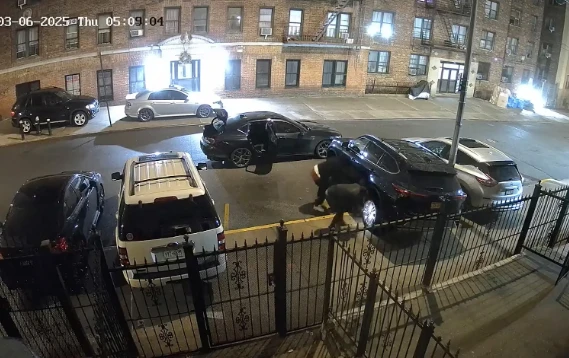
In the Bronx, this coordinated effort ran smoothly for months. Local residents often woke up to empty spots where their cars had been parked—or found their vehicles left on blocks, wheels and key components stripped away.
Prosecutors linked the activity to a network of individuals operating in tight crews that moved with remarkable speed and coordination. They didn’t simply take cars—they broke them down quickly, focusing on high-value parts.
The approach was efficient and striking. Small groups, typically three people, would pull up in a stolen ride between midnight and 5 a.m. Wearing masks and gloves, they brought along jacks, power tools, and basic plastic crates. In a matter of minutes, the target vehicle was raised, its four tires removed, and valuable items like catalytic converters taken. Then the team would disappear back into the darkness.
Law enforcement noted the group could complete up to six jobs in one night. This wasn’t random or occasional—it was planned, consistent, and highly organized.
In the end, more than 250 vehicles and over $1 million in parts were taken and moved through underground channels. But the real story goes beyond the totals.
Every incident left owners without transportation for work, school, or everyday needs. The effects rippled through the community, touching hundreds of families across the area.
The probe started with small clues—security videos, matching patterns, and repeated tactics. Over time, the pieces came together.
Investigators discovered public parking garages used as temporary hubs where vehicles were held before further disassembly or relocation. Others in the network managed sales, moving the stolen parts into the resale market for quick profits.
During one raid, officers found a suitcase with $116,000 in cash, underscoring just how lucrative the setup had grown.
The effort culminated in a major indictment with nearly 1,000 charges against 16 people, and multiple arrests followed. The accusations covered grand larceny, vehicle stripping, and related offenses.
The Bronx District Attorney called the group’s work “like a racetrack pit crew in the dead of night,” pointing to the speed and teamwork that defined their actions.
Yet that very repetition eventually helped crack the case.
Patterns in footage, statements from witnesses, and other evidence painted a picture of a connected operation with clear roles, schedules, and support.
Still, some questions linger.
How deeply was the network structured at the top? Are there more incidents waiting to be connected? And how wide does the resale chain reach?
For law enforcement, the focus is on breaking up the full system that disrupted so many lives. For Bronx residents, the developments offer reassurance, even as they highlight how quickly and quietly such activity can unfold in a neighborhood.
A car can be dismantled in minutes. Multiple jobs can happen in a single night. And a community can feel the impact for months before the full scope emerges.
The case continues to develop, with the justice process determining next steps. The bigger takeaway is clear—when theft runs like a smooth operation, staying vigilant matters more than ever. How many similar efforts might still be active out there?