
In a massive show of force, the DEA and ICE have pulled off one of the biggest cartel crackdowns in Boston’s history, arresting 171 Sinaloa Cartel members and seizing more than 500 pounds of deadly fentanyl, meth, and cocaine.
Operation New Dawn has ripped the lid off how deeply the notorious Sinaloa Cartel had embedded itself into everyday life across New England, turning the region into a major hub for its poisonous operations.
What started as a standard probe quickly snowballed into a full-scale assault on a sophisticated network using delivery vans, warehouses, rideshare apps, cryptocurrency, and social media to flood communities with fentanyl and other killer drugs.
The operation’s scale is eye-opening and raises serious alarms about how far organized crime has infiltrated American society.
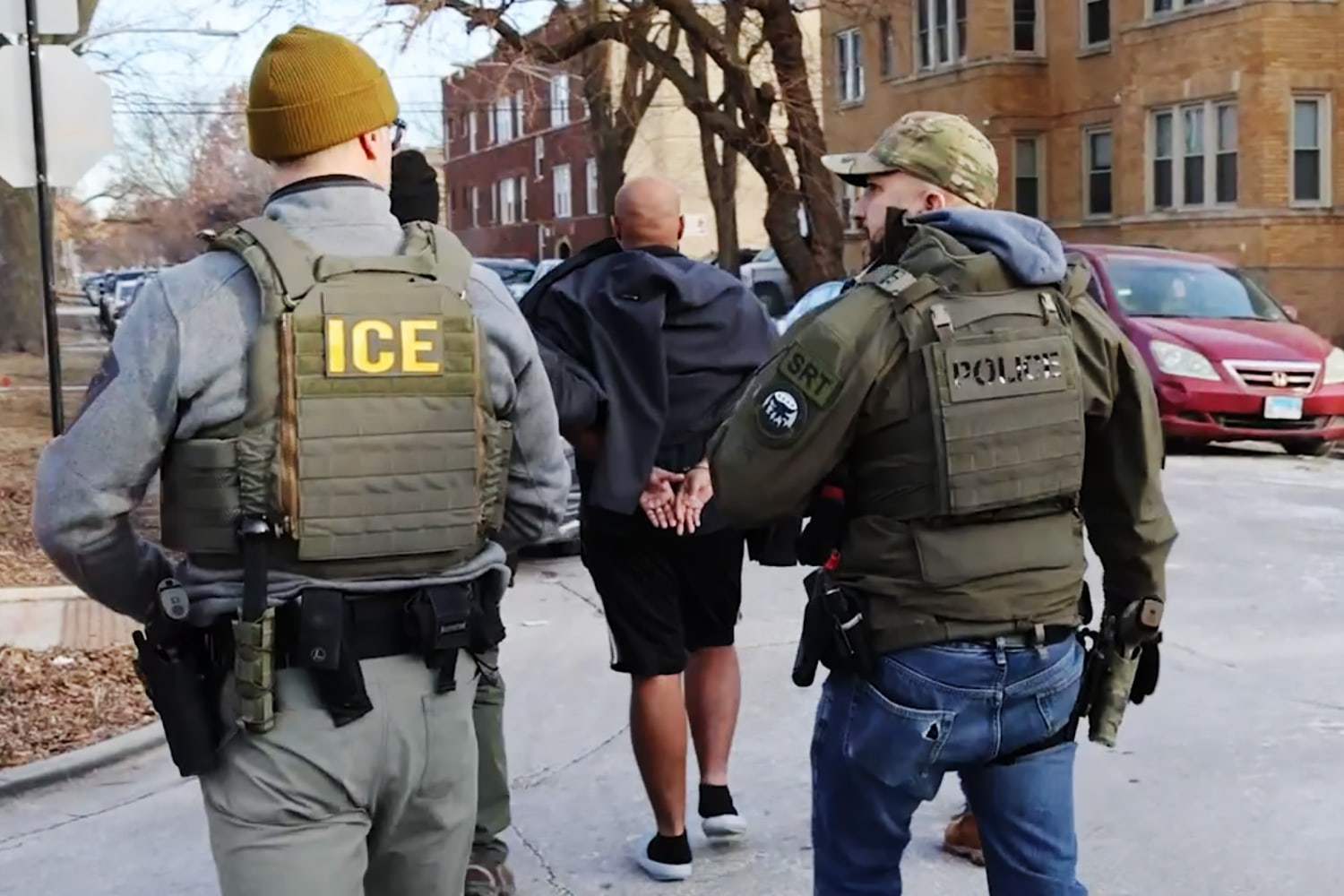
Federal agents dismantled a slick web of deceit that let these criminals operate with shocking ease for years, all while fueling the devastating fentanyl crisis that’s tearing families apart.
The Sinaloa Cartel — one of the world’s most ruthless and powerful drug empires — had quietly turned Boston into a key distribution point, using modern tactics and logistics know-how to stay under the radar while devastating communities.
This isn’t just a local story. Federal officials now treat the fentanyl epidemic as a national security threat, underscoring the desperate need for a tougher, smarter strategy to protect public health and safety.
The cartel didn’t stick to back alleys. They blended into daily life, leveraging popular apps and digital currencies to move product and money while dodging detection — a clear sign of how drug trafficking has evolved in the digital age.
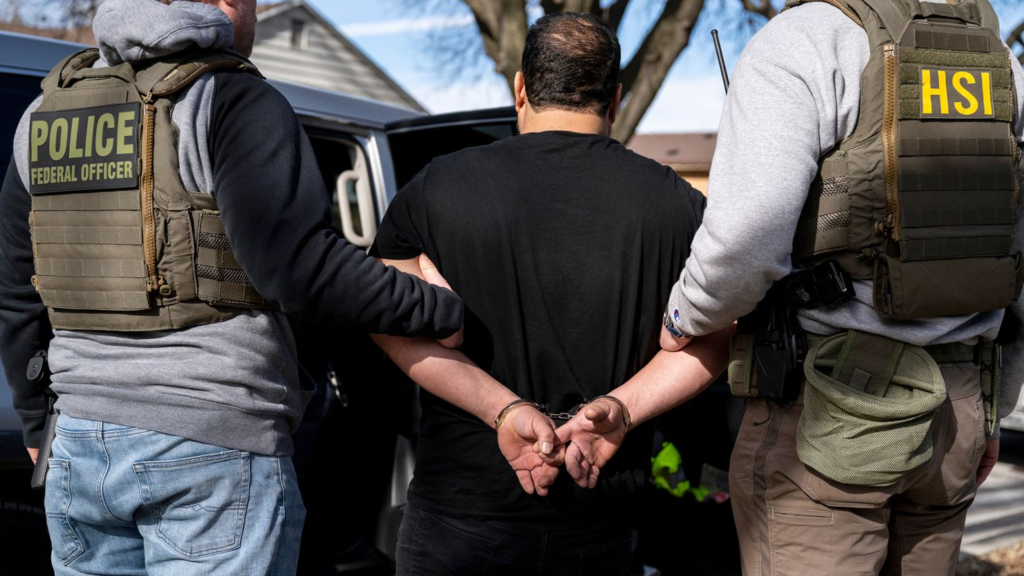
As the dust settles after these historic arrests, tough questions remain: Are more cartel operatives still hiding in the shadows, ready to step in and fill the void?
The fight against the Sinaloa Cartel and the broader opioid crisis is far from finished. Law enforcement needs sustained support, updated tools, and stronger policies to stay ahead of these adaptive criminal networks.
Communities hit hardest by fentanyl deserve real solutions — from better prevention and treatment to relentless pressure on the cartels supplying the poison.
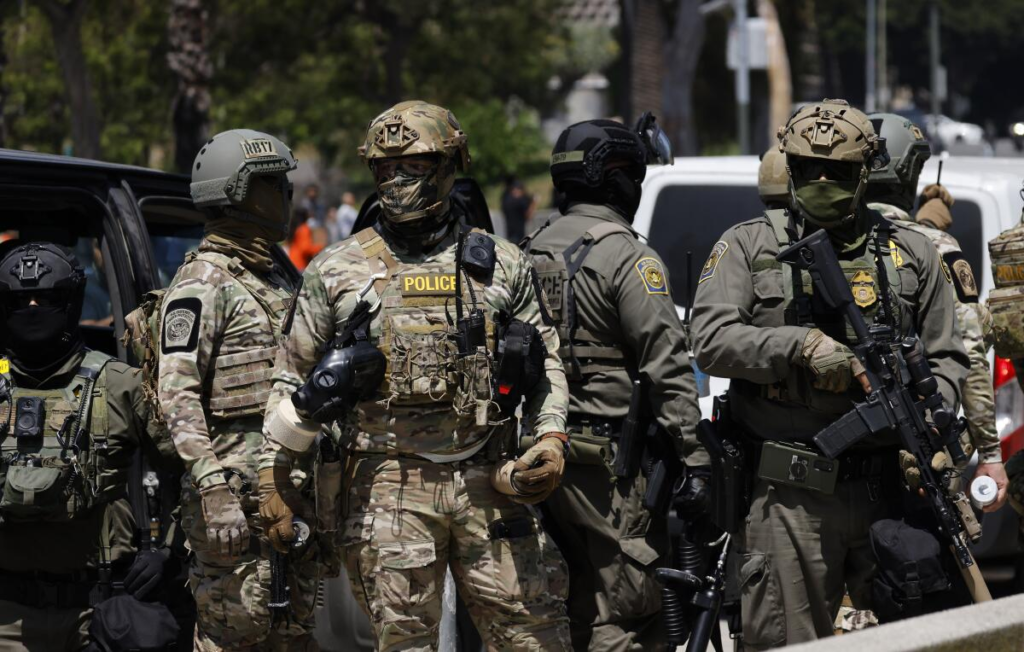
What do you think needs to happen next to push back against Sinaloa Cartel influence in the U.S.? How can we better protect and support families and neighborhoods devastated by the opioid epidemic?
Drop your thoughts below. The battle against these deadly networks requires everyone to stay informed and engaged as we work toward safer streets and healthier communities.