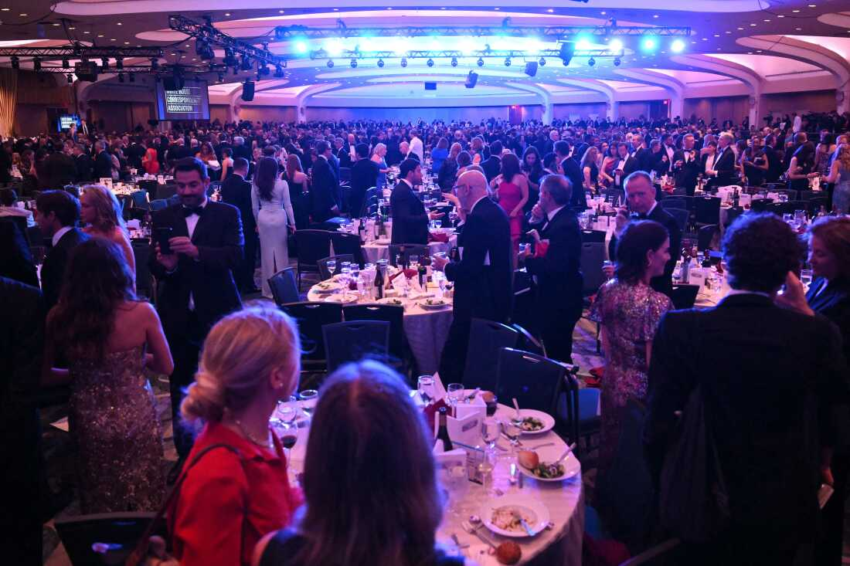
A shooting incident on April 25 at the annual White House Correspondents’ Association dinner at the Washington Hilton, attended by President Donald Trump, has prompted fresh concerns about how well multi-layered protection protocols hold up under real-world pressure. A suspect managed to get close to the ballroom area despite extensive security measures in place.
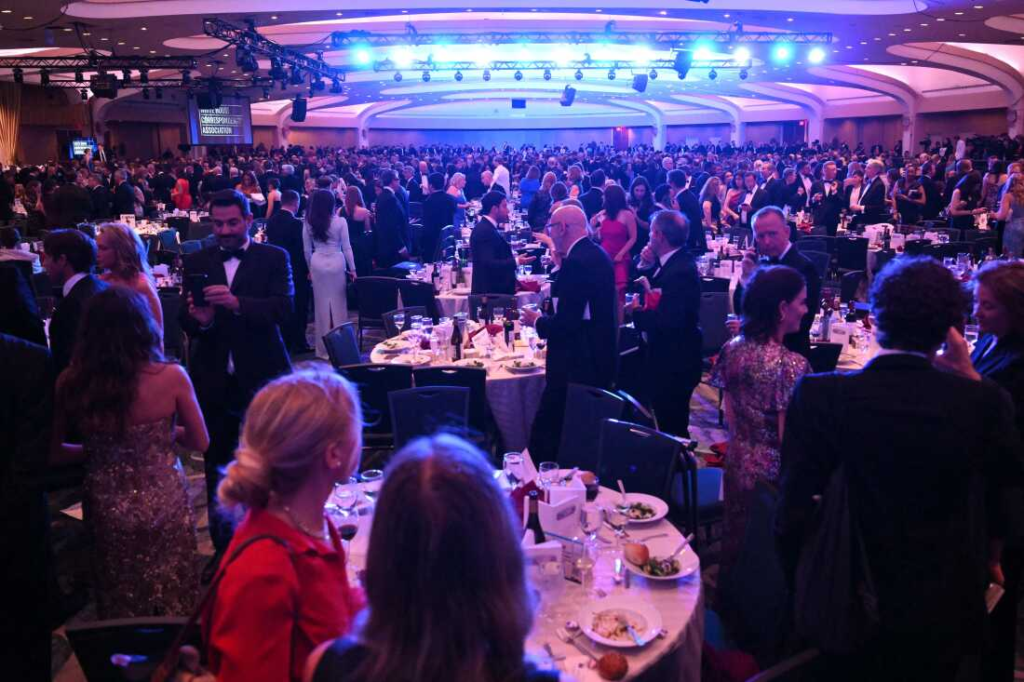
White House Correspondents’ Association Dinner shooting: What we know | Vox
According to reports, the suspect, identified as 31-year-old Cole Tomas Allen, was armed with a handgun and knife. He approached within one floor of the main event space before being confronted and subdued after shots were fired, injuring one Secret Service agent. Attendees took cover under tables as the disturbance unfolded outside the ballroom.
NPR’s view from the White House Correspondents’ Dinner : NPR
The event featured hundreds of security personnel from multiple agencies with strict multi-layered screening. However, surveillance footage reportedly shows the suspect bypassing a checkpoint, highlighting potential vulnerabilities during transition periods after the president had already been secured inside.
U.S. Secret Service officials stated that the overall protection plan functioned as designed, with the president and vice president safely evacuated. Still, the incident underscores challenges in managing outer perimeter access—especially at large venues like hotels where guests are staying—and handling dynamic situations with large crowds.
This latest event adds to a series of security challenges faced by President Trump in recent years, including incidents during his campaign and time in office. In his remarks afterward, Trump acknowledged the personal risks that come with the presidency, describing it as a high-stakes role while commending the faster response times compared to prior situations.
No final determination on specific procedural gaps has been released, but the episode continues to focus attention on strengthening safeguards for high-profile gatherings involving national leaders.