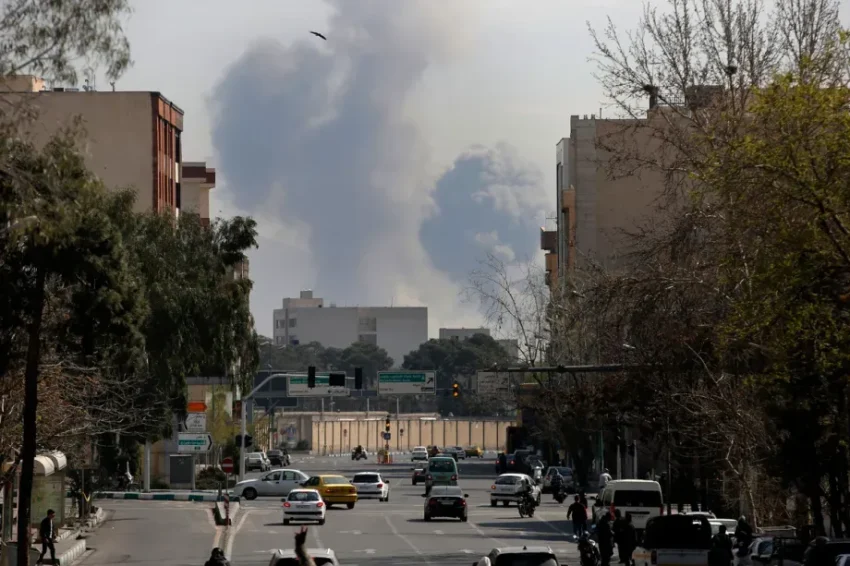
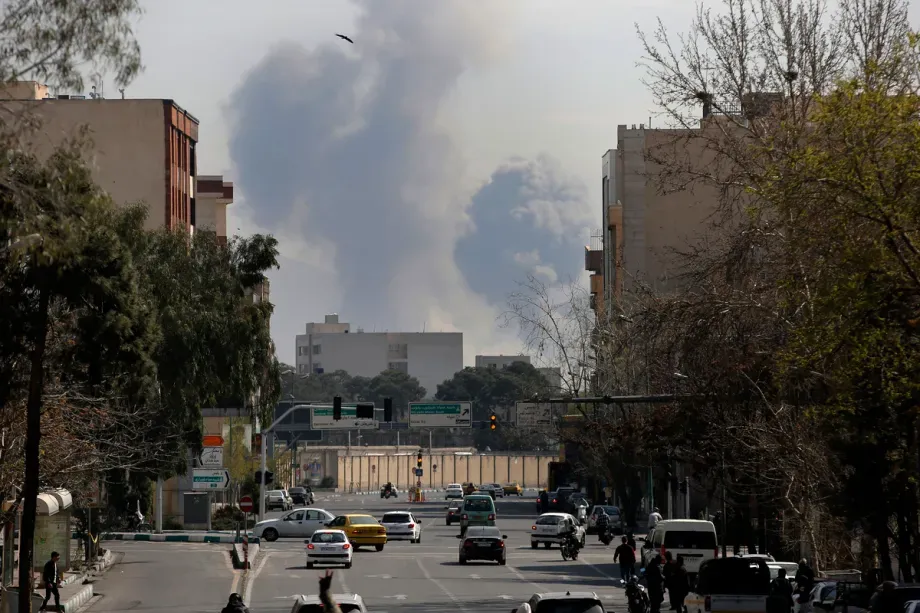
WASHINGTON D.C. — The United States has reportedly issued a one-week deadline to Israel to wrap up ongoing military operations against Iran. According to recent reports, the diplomatic pressure highlights a growing divergence between Washington and Tel Aviv regarding the strategic objectives of the war and its cascading effects on global energy markets.
Differing Strategic Assessments Sources indicate a significant gap in how the two allied nations evaluate the trajectory and realistic outcomes of the conflict.
Regime Change Unlikely: According to unnamed sources cited in recent reporting, a near-term regime change in Tehran is highly unlikely. Analysts conclude that unseating the current government would necessitate either a large-scale ground invasion or widespread internal uprisings—neither of which currently appears probable.
Diverging Priorities: While Israeli officials maintain that the military campaign has achieved significant tactical gains by degrading Iran’s infrastructure, the U.S. administration is increasingly focused on the conflict’s destabilizing impact on global oil prices and the broader macroeconomic environment.
Economic Fallout and Rising Gas Prices The push to accelerate the end of the conflict coincides with severe turbulence in the domestic energy market.
Surging Costs: According to a recent report by Politico, the Trump administration allegedly entered the confrontation without fully assessing the potential economic consequences. Consequently, U.S. gasoline prices have surged by 60 cents per gallon in less than two weeks, even as the country maintains record levels of domestic oil production.
Political Implications: Economic analysts noted in the report that the sudden inflationary pressure directly conflicts with the administration’s promises of a “golden age of prosperity,” prompting urgent intervention from the White House as consumer costs rise.
Emergency SPR Release In an effort to stabilize energy markets and mitigate the price shocks, the administration has resorted to significant executive action.
President Donald Trump ordered the emergency release of 172 million barrels of crude oil from the U.S. Strategic Petroleum Reserve (SPR).
The directive to tap the federal reserves was issued in an attempt to calm market fears, following earlier statements from Energy Secretary Chris Wright that reportedly failed to adequately reassure investors regarding supply chain stability.