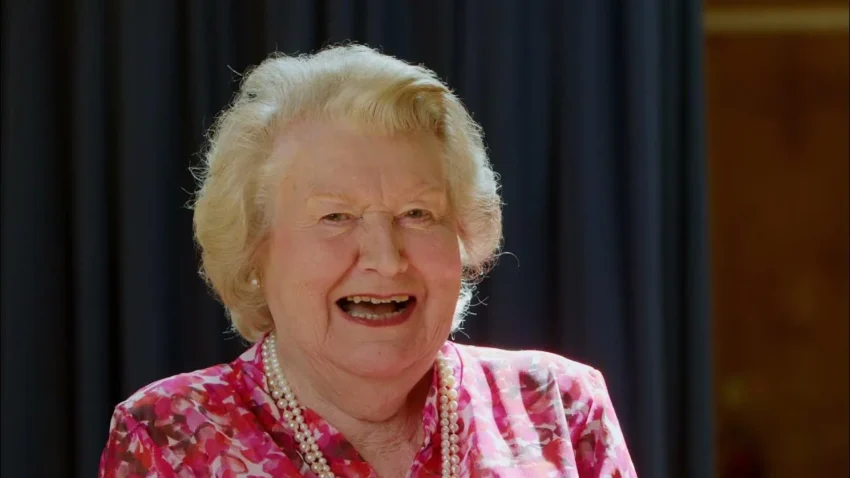
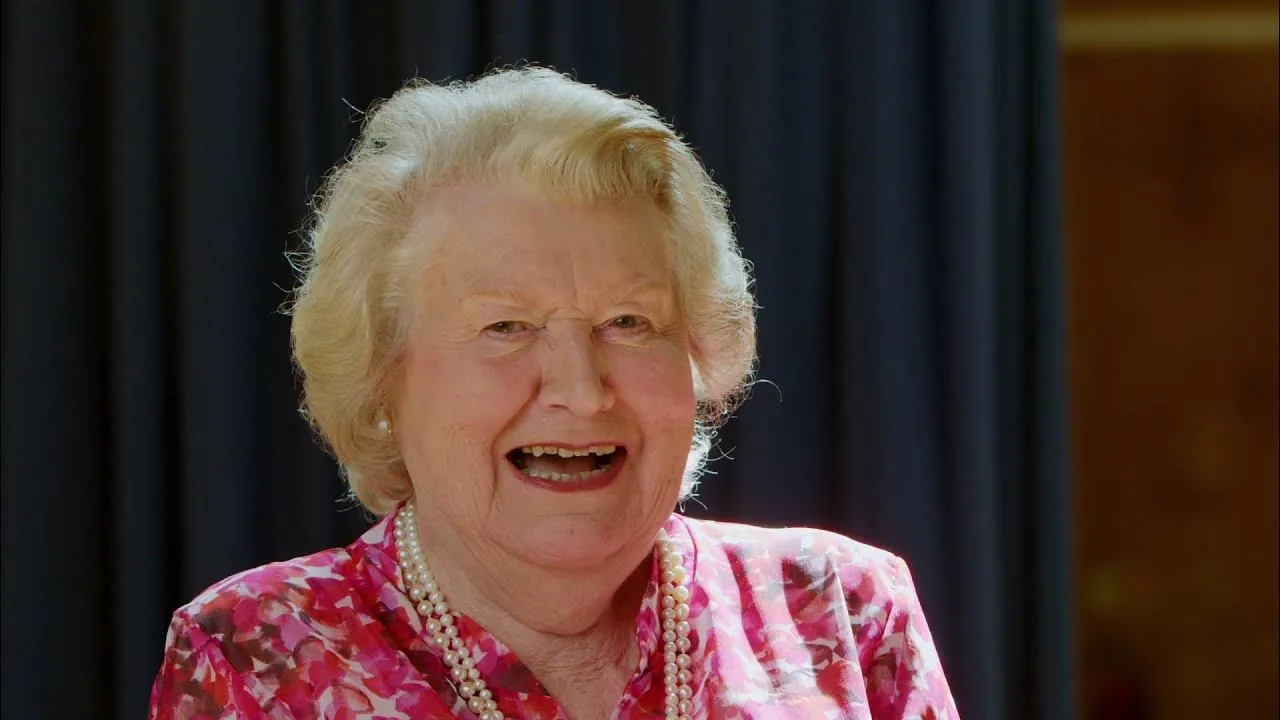
The death of Patricia Routledge, the unforgettable Hyacinth Bucket from Keeping Up Appearances, has stirred not only sorrow but also nostalgia. Fans and critics alike are revisiting the golden age of British sitcoms, a period when humor was simple, relatable, and enduring.
In the 1990s, shows like Keeping Up Appearances, Fawlty Towers, and Only Fools and Horses were not just entertainment — they were cultural snapshots. They reflected quirks of British society with sharp wit and gentle satire. Hyacinth Bucket, with her insistence on being “Bouquet,” became an iconic figure who symbolized social aspirations and the comedy of class struggles.
Now, with Routledge’s passing, viewers are rediscovering how these shows bridged generations. Families watched them together, laughing at timeless humor that didn’t rely on shock value but on clever writing and unforgettable characters.
The mourning over Routledge is not just about losing a beloved actress — it’s about the fading of a cultural moment. Her passing reminds audiences of a time when television comedy was less cynical, more character-driven, and deeply connected to the lives of ordinary people.
Critics argue that while modern sitcoms often chase trends, classics like Keeping Up Appearances endure because they reflect universal truths. The renewed surge in viewership following Routledge’s death highlights how much audiences still crave that timeless style of comedy.
Patricia Routledge’s departure is prompting streaming services to highlight her work, sparking a revival of interest in British sitcoms worldwide. Younger audiences, who never saw the shows during their original run, are now discovering the charm of Hyacinth and her comedic peers.
Her passing, therefore, is not just an end but also a beginning — a chance for the world to celebrate and revisit the era that made her a household name.