It happened in broad daylight—when everything should have felt completely ordinary.
Inside a U.S. Bank branch in Berea, Kentucky, an 18-year-old entered wearing a black mask and gloves. According to investigators, what followed was a rapid and devastating sequence that claimed two lives in a matter of seconds.
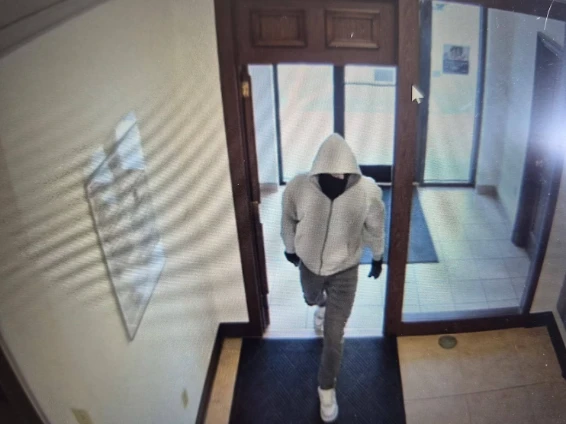
Authorities have identified the suspect as Braelin Weaver. Court records indicate that just before 2 p.m., he walked in and immediately opened fire. A male customer was shot and killed almost instantly. Moments later, a bank teller suffered the same fate. There was no prolonged struggle or warning—just sudden violence in a place where people expect safety and routine.
What came next was swift and calculated.
After the shooting, the suspect reportedly moved through the bank, checking drawers in a focused manner. Investigators believe this was not impulsive but planned. Within minutes, he left the scene, leaving behind shock, fear, and profound loss for everyone inside.
For customers and employees, the shift from a normal workday to tragedy was instantaneous. Two families now face a future forever changed by an afternoon that began like any other.
Law enforcement responded quickly. Surveillance video from the area helped identify a silver BMW speeding away from the bank. That vehicle became a crucial lead.
The digital trail grew stronger. Authorities linked the car to a social media account believed to belong to Weaver. Later that evening, an unusual post appeared online—an image of an alien holding cash. Investigators see it as potentially connected to the day’s events.
By evening, the focus turned to pursuit.
Officers located the suspect vehicle on Interstate 75 near Somerset. A high-speed chase ensued, with the BMW reaching speeds over 100 miles per hour across the highway. The dangerous pursuit risked additional lives before it ended when the driver lost control and crashed.
Even then, the suspect fled on foot. Inside the wrecked vehicle, authorities recovered a firearm believed to be linked to the shooting. He was apprehended shortly after.
The arrest brought an immediate end to the threat, but it opened a new chapter in the justice system. Weaver now faces federal charges, with state charges expected as well. He is scheduled to appear in court in Lexington, where the full details of the case will be presented.
Prosecutors, including the Kentucky Attorney General’s office working with federal partners, plan to pursue strong measures, including murder charges. For the victims’ families, this represents steps toward accountability, though nothing can restore what was taken.
Beyond the evidence and legal proceedings lies the human cost. Two people who went about their day—entering a bank or heading to work—never made it home. Their stories and memories now stand in the shadow of minutes that altered everything.
Berea, a close-knit community of just over 16,000, is left grappling with the aftermath. Everyday places like banks represent trust and familiarity. When violence strikes there, it shakes the sense of security for the entire town.
U.S. Bank issued a statement offering condolences to the families and support for its employees. Yet words, no matter how heartfelt, cannot undo the pain.
As the case advances through the courts, questions will continue to arise. What led to this moment? What was the thinking behind the actions? How did an ordinary afternoon turn so tragic so quickly?
Investigators will keep examining surveillance, digital records, and witness statements to build a complete picture. The legal process will determine responsibility.
But for those closest to the loss, the story feels incomplete. Sometimes the most difficult part is not just understanding what happened—but searching for why.
And even now, one quiet question lingers in the community: what turned a routine day into something that can never be undone?