Congenital Heart Defects (CHD) are among the most common birth defects in newborns, affecting approximately 1 in 100 babies born each year. While some heart families find out about their baby’s heart condition early in the pregnancy, others may not know until after birth.
For those families, the news can be a shock, and the path forward can seem uncertain and overwhelming. Monroe’s story is a testament to the critical importance of prenatal heart diagnoses and how early detection can shape a family’s journey in life-changing ways.
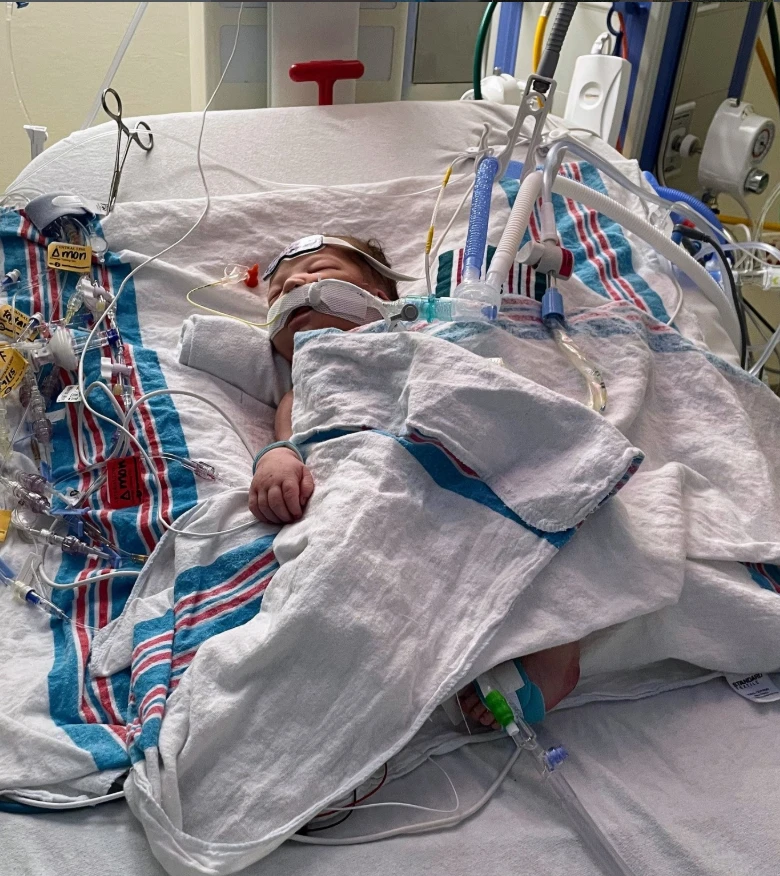
Monroe’s parents did not initially know their baby had a congenital heart defect. They were blindsided after birth when their precious baby boy was diagnosed with a serious heart condition that would require immediate intervention.
The shock of learning about Monroe’s heart defect in those first moments of his life made it clear to his parents how much more could have been done if they had known earlier. Without the prenatal diagnosis, the family was thrust into uncertainty and faced the overwhelming task of understanding Monroe’s condition and what it would mean for his future.
Luckily, Monroe’s story is one that ended on a positive note. With swift medical intervention and the right care, he has grown stronger and continues to thrive. But his parents often reflect on how different things could have been if they had known about his condition sooner.
Prenatal diagnosis plays a crucial role in giving parents the time and knowledge needed to plan and prepare for their child’s birth, whether it’s in terms of treatment, emotional support, or logistical planning. A simple 20-week ultrasound can make all the difference for families, as it’s often during this routine scan that many parents first learn about their child’s heart condition.
A prenatal diagnosis gives heart families the precious gift of time—time to understand their baby’s condition, time to seek out specialists, and time to prepare emotionally for the challenges ahead. It can also provide families with the resources and knowledge to make informed decisions, whether it’s about delivery plans, treatment options, or potential surgeries.
For Monroe’s family, the diagnosis came too late, but they are now strong advocates for the importance of early detection, urging every expectant parent to take advantage of the anatomy scan at 20 weeks.
As part of CHD Awareness Week, we’d like to share Monroe’s story and raise awareness about the importance of prenatal care. Early detection and prenatal diagnoses can save lives and allow families to make the best choices for their babies. The 20-week ultrasound is a critical time for expectant parents to ask the right questions about their baby’s heart health, and it’s essential to advocate for your child by discussing any concerns with your doctor.
If you’re expecting and want to ensure that your baby’s heart health is monitored, here are some helpful questions to ask at your anatomy scan:
These questions can help guide a conversation with your doctor and allow you to understand what the anatomy scan can reveal about your baby’s heart health. It’s also important to trust your instincts as a parent and advocate for your baby’s well-being, no matter what the ultrasound results may show.
Monroe’s parents, although initially overwhelmed, are incredibly grateful for the care Monroe has received, and their experience has made them advocates for heart health awareness. They now understand the critical role that early detection plays in helping parents make informed decisions and set realistic expectations for the future.
Monroe’s story, while challenging, is ultimately one of hope and resilience. His parents now know that early intervention can change the course of a child’s life. Through their journey, they’ve come to understand that every heart warrior deserves a fighting chance, and the gift of early diagnosis is one of the most powerful tools a family can have.