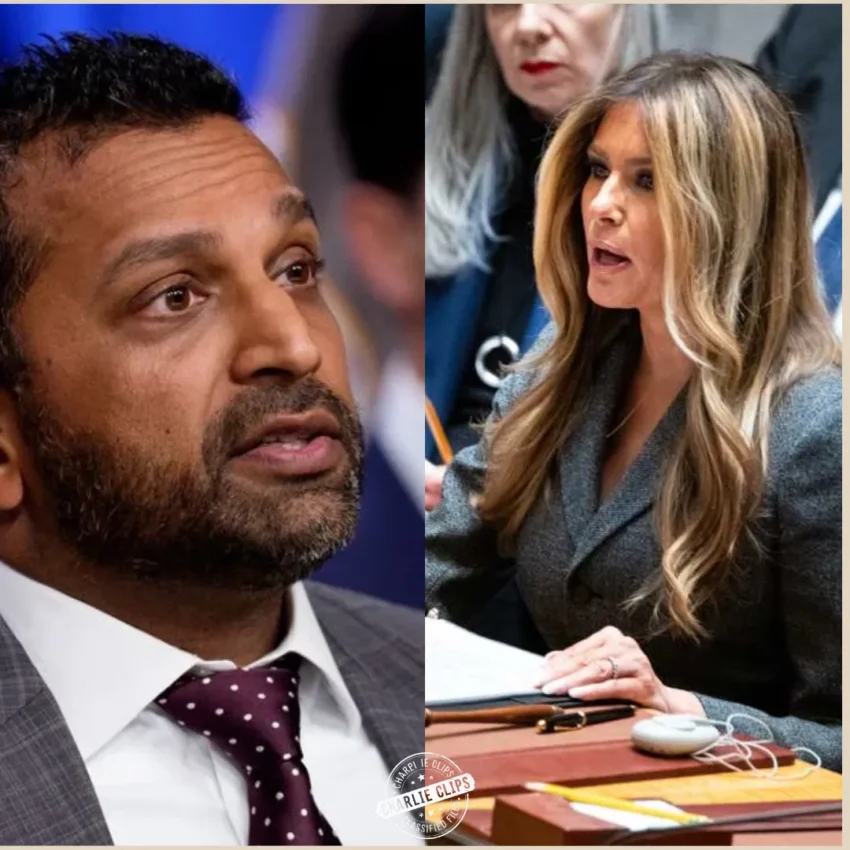
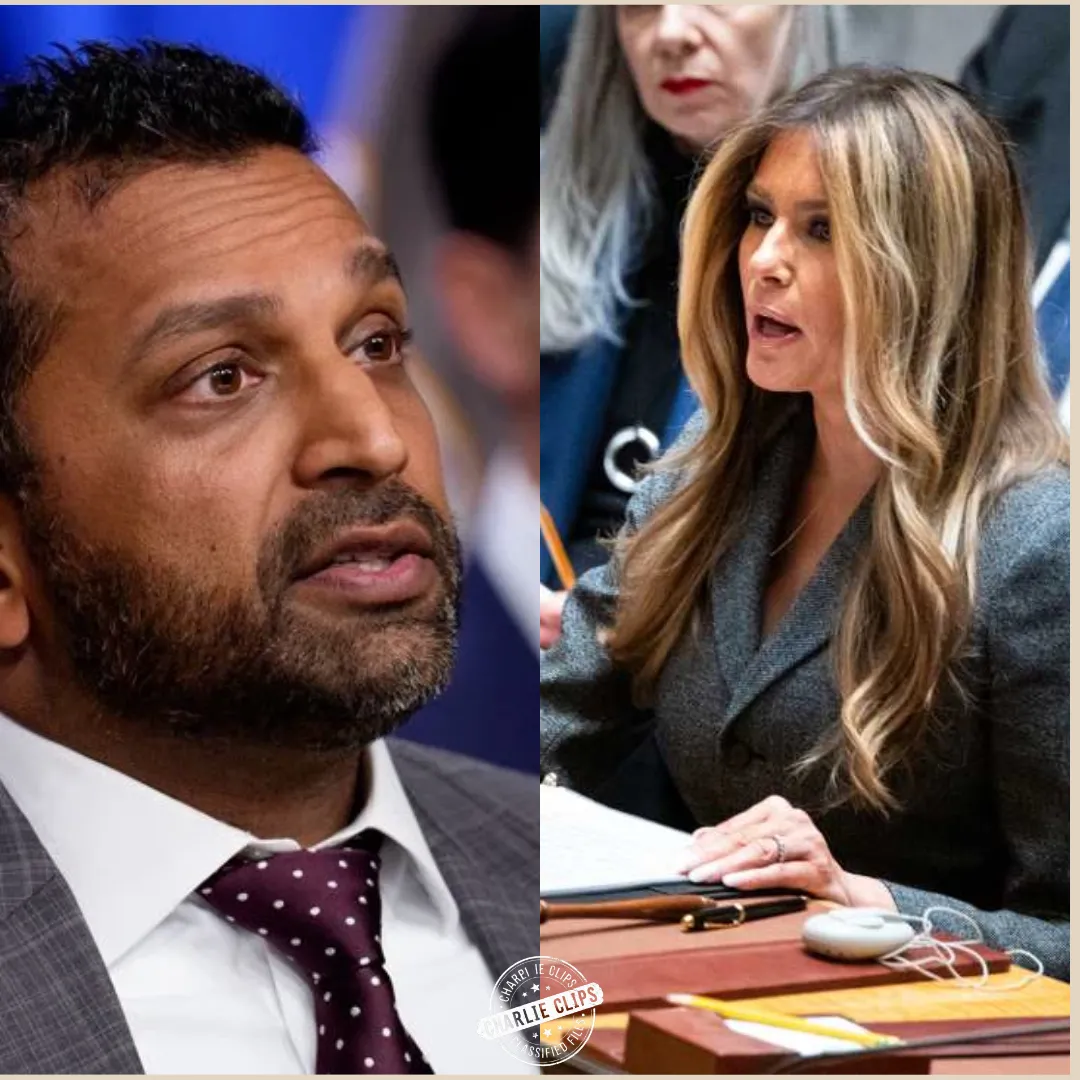
New York, March 4, 2026 — A recent session at the United Nations Security Council in New York drew widespread public attention following the participation of U.S. First Lady Melania Trump.
According to statements shared publicly by Kash Patel, the First Lady was present during discussions at United Nations headquarters, an appearance that prompted extensive commentary across political and social media platforms. Supporters characterized the moment as historically significant, noting that it is uncommon for a U.S. First Lady to take part in proceedings at the Security Council level.
The Security Council, one of the principal organs of the United Nations, is responsible for addressing matters related to international peace and security. Meetings are typically presided over by representatives of member states in accordance with the Council’s rotating presidency system. The role of U.S. representatives at such sessions is generally carried out by appointed diplomats.
While images circulating online showed the First Lady seated prominently during the session, official UN protocols continue to designate accredited national representatives as the presiding authorities. Publicly available information does not indicate a formal change to established diplomatic procedures.
Patel described the First Lady’s presence as a demonstration of American engagement in global affairs. In remarks shared with supporters, he framed the appearance as part of a broader effort by the current administration to project confidence and renewed diplomatic involvement.
Observers note that First Ladies have historically participated in international initiatives, particularly in areas such as humanitarian advocacy, cultural diplomacy, and public health campaigns. However, direct involvement in high-level Security Council deliberations is relatively rare and therefore attracted heightened media coverage.
Political reactions to the event have varied. Supporters argue that the First Lady’s attendance signals a more visible role in international engagement and reflects the administration’s willingness to challenge conventional expectations. Critics, meanwhile, emphasize the importance of maintaining established diplomatic norms and clarifying the distinction between ceremonial presence and formal authority.
Diplomatic analysts caution against overstating the implications of a single appearance, noting that substantive foreign policy decisions continue to be made through established executive and diplomatic channels. They also point out that representation at the Security Council is governed by international rules and U.S. constitutional processes.
The event has nonetheless generated significant discussion online, where images and video clips from the session have circulated widely. Commentators across the political spectrum have debated the symbolic meaning of the moment, as well as the evolving public role of presidential spouses in international affairs.
At the United Nations headquarters in New York, Security Council sessions routinely address issues ranging from regional conflicts to sanctions enforcement and peacekeeping mandates. Participation by visiting dignitaries is not unprecedented, though presiding authority remains formally structured under UN guidelines.
As of this writing, official transcripts and detailed summaries of the meeting’s agenda and remarks are expected to be released through standard UN communication channels. These documents will provide greater clarity regarding the scope and substance of the discussions held during the session.
The broader significance of the First Lady’s presence may ultimately depend on whether it signals a sustained expansion of her involvement in diplomatic matters or remains a symbolic engagement within an established institutional framework.
For now, the episode reflects the continuing intersection of politics, public perception, and diplomacy in an era when high-profile appearances can quickly become focal points of global conversation.