San Francisco, a city of bustling streets, neon lights, and vibrant nightlife, was home to an unimaginable predator for over a decade.
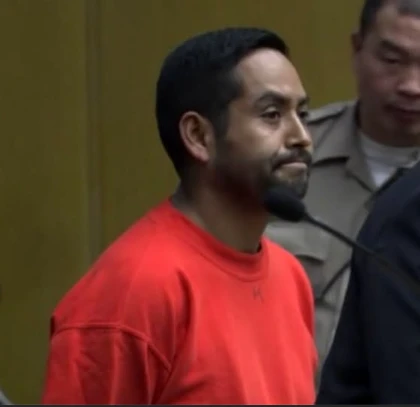
Orlando Vilchez Lazo, 44, a man who posed as a rideshare driver, terrorized women in the city, leaving an indelible mark of fear that persisted for years.
The nightmare began in 2013 when a 21-year-old woman exited a nightclub in the SoMa district, expecting only the familiar comfort of waiting for a ride.
Vilchez Lazo approached, presenting himself as the driver she had been waiting for.
He instructed her to get into his car, and within moments, he drove her to an abandoned industrial area.
There, he locked the doors and sexually assaulted her, leaving her traumatized and afraid to return to the streets at night.
This attack would be the first of several over the following decade, a pattern meticulously repeated, instilling terror in a select area of San Francisco.
For years, the DNA collected from the crime scene sat in a database, an anonymous string of genetic code waiting to be matched.
In 2018, five years after the first known assault, the DNA finally led authorities to a suspect — Orlando Vilchez Lazo.
Over the next months, investigators uncovered a horrifying pattern.
Three other women, also in their early twenties, reported nearly identical experiences.
Each had been waiting for a rideshare ride outside nightclubs in SoMa.
Each had trusted a man who displayed a rideshare decal in his car.
Each had been tricked into believing he was the driver they had requested.
And each had been violently assaulted on Mansell Street, the site of multiple attacks that left victims questioning their own safety and the safety of their city.
The investigation revealed that Vilchez Lazo’s strategy was chillingly consistent.
He used the veneer of legitimacy — a fake rideshare driver identity — to isolate women in vulnerable moments.
He prevented them from contacting help by confiscating their phones, a cruel tactic that ensured their inability to alert authorities.
Surveillance and careful investigation by the San Francisco Police Department’s undercover team proved pivotal.
Patrolling the area near Howard and Second Street, officers noticed a suspicious vehicle circling late at night.
The man behind the wheel was Vilchez Lazo.
Evidence collected from his residence, including multiple phones belonging to victims, provided the material confirmation that linked him to the assaults.
Some victims were able to identify Vilchez Lazo in lineups, their courage helping to bring closure to crimes that had remained unresolved for years.
The trial was long-awaited and emotionally exhausting for survivors and the public alike.
San Francisco District Attorney Brooke Jenkins spoke at the announcement of the conviction, describing it as a turning point for justice.
“After many years of waiting, justice has finally been served,” Jenkins said, acknowledging the emotional toll on victims and the persistence of the legal team.
Vilchez Lazo now faces more than 100 years to life in prison, a sentence reflecting both the severity of his crimes and the lasting impact on his victims.
He has been convicted of multiple counts of kidnapping, sexual assault, and rape, crimes that robbed young women of their safety and trust.
The case has drawn attention not only because of the brutality of the acts but also due to the methodical, predatory use of a rideshare identity.
In a city that has invested heavily in technology and safety measures for rideshare users, this case revealed vulnerabilities that still exist.
Ivy Lee, director of the Mayor’s Office for Victims’ Rights, emphasized the need for immediate action across all rideshare platforms.
“The rideshare company should immediately have zero tolerance. They should share information with every other rideshare company indicating this person can no longer drive,” Lee said, highlighting systemic lapses in safety protocols.
The prosecution detailed the chilling span of Vilchez Lazo’s attacks.
From 2013 through the late 2010s, he preyed on women who had no reason to suspect danger beyond the streets of their city.
For five years, the DNA from an unknown rapist sat dormant in a database, until technology and careful investigation linked it definitively to Vilchez Lazo.
The legal process was complicated further by Vilchez Lazo’s immigration status; he is an undocumented immigrant from Peru.
His defense, represented by the San Francisco Public Defender’s Office, criticized the police for collecting key evidence without a warrant and stated intentions to appeal the conviction.
While the appeal may proceed, the victims and the public have expressed relief that Vilchez Lazo will spend the remainder of his life in prison.
Authorities have acknowledged that there may be additional victims, and the San Francisco Police Department has encouraged anyone with information to come forward.
“It’s safe to do it now,” Lee said, reassuring potential survivors that resources are available and that their stories will be believed.
The case underscores the importance of DNA databases, vigilant law enforcement, and the courage of victims to come forward despite fear and trauma.
It also serves as a reminder of the critical need for safety measures, both technological and procedural, in urban spaces where vulnerable populations may encounter opportunistic predators.
Victims in this case shared their stories publicly, describing both terror and resilience, the enduring fear of repeating history, and the hope that justice would eventually prevail.
District Attorney Jenkins emphasized the emotional weight of the case.
“The conviction of Orlando Vilchez Lazo represents the culmination of years of painstaking investigation, survivor bravery, and judicial diligence,” she said.
While Uber, Lyft, and other platforms have implemented background checks, emergency buttons, and driver monitoring, this case has revealed gaps that must be addressed to prevent future attacks.
The verdict also sparked public debate on the role of technology, city oversight, and victim protection in preventing crimes in the sharing economy.
Public response has been intense, with survivor advocacy groups calling for mandatory data-sharing between companies and stricter monitoring of drivers, particularly those with suspicious patterns or prior complaints.
As the city prepares for Vilchez Lazo’s sentencing later this month, victims and their families prepare to face difficult emotions and complicated memories, even as they take solace in the knowledge that he will no longer walk free.
For the women he terrorized, the conviction is a symbolic closure, a public acknowledgment of the trauma they endured and the courage they demonstrated in reporting the crimes.
This long-awaited justice serves not only to punish Vilchez Lazo but also to affirm the importance of vigilance, reporting, and community awareness.
San Francisco continues to grapple with the lessons of this case, ensuring that rideshare safety is improved, survivors are supported, and vigilance remains high in every urban space.
Vilchez Lazo’s crimes will remain a dark chapter in San Francisco’s history, but the conviction offers a measure of hope — that persistence, courage, and justice can intersect even after years of terror.
The victims, while forever impacted by the trauma, now see the promise of accountability and the enduring importance of speaking out.
As San Francisco turns a page on this decade-long saga of fear, it also reaffirms the principle that predators will eventually face justice, and that the voices of survivors will not be silenced.