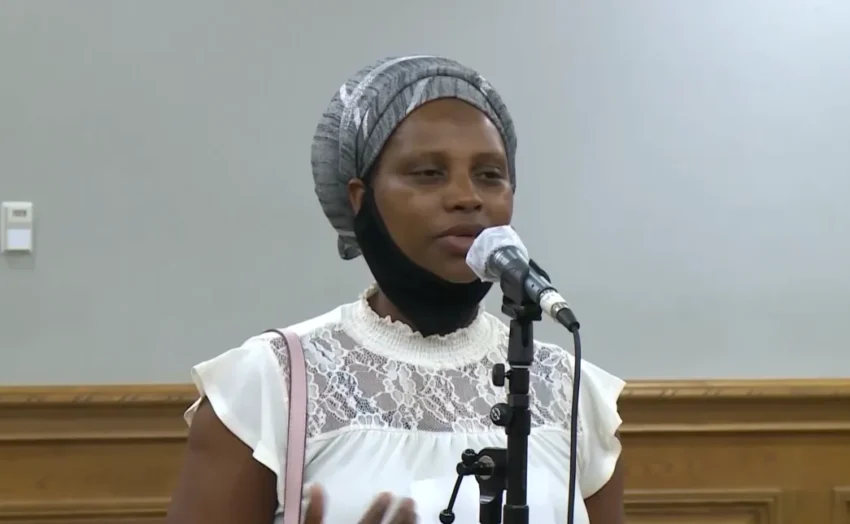
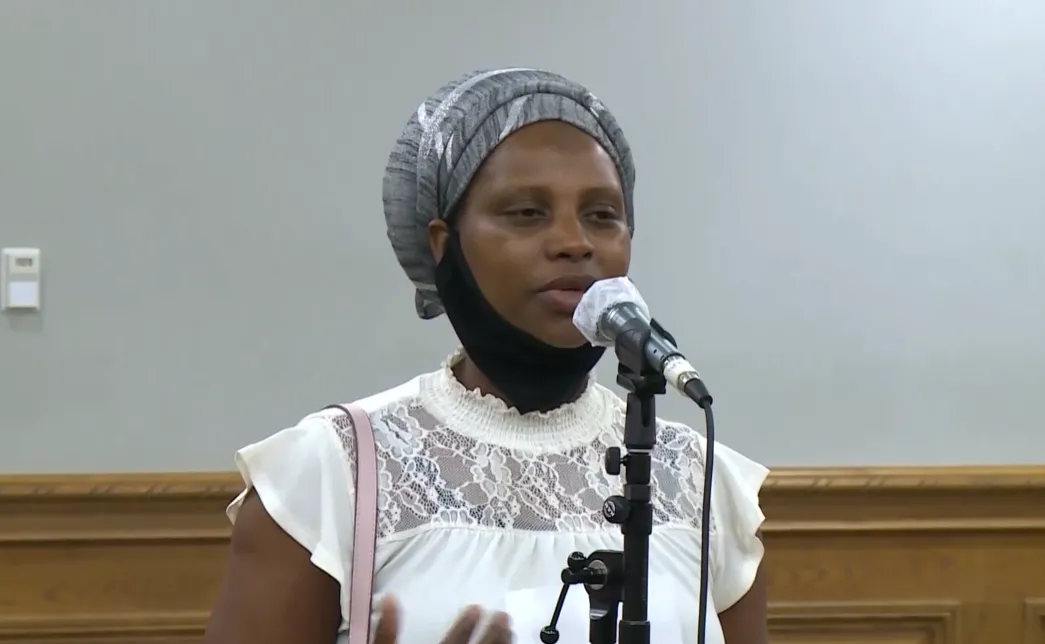
Teddy Jallow, a woman with a heart for service and a commitment to helping others, found herself in court recently for two red light violations at the intersection of Westminster and Barton streets. Jallow, a refugee who moved to the United States from Gambia 10 years ago, admitted that she had committed these violations due to her frequent mistakes at this particular intersection.
Despite the legal missteps, Judge Frank Caprio, known for his empathetic approach to the law, had a different kind of ruling in mind, one that highlighted Jallow’s remarkable contribution to her community.
Upon arriving in the United States, Jallow sought refuge and new opportunities, eventually settling in Rhode Island. Over the years, she became an integral part of the community through her volunteer work.
As a co-founder of the Refugee Dream Center, Jallow dedicated her life to supporting fellow refugees in their transition to life in the U.S. The organization provides essential services like English as a Second Language (ESL) classes, case management, job placement assistance, and acts as a surrogate family for those without relatives nearby.
During the COVID-19 pandemic, the Refugee Dream Center expanded its operations, delivering food and personal hygiene products to those in need. Jallow’s actions have always been driven by the desire to give back to a country that offered her a chance to build a better life.
She shared that the dream of her father, who hoped to see his children succeed, inspired her to give back to her new community, calling the United States “a land of opportunity.”
In court, Judge Caprio commended Jallow for her tireless work in the community, describing her volunteer efforts as “God’s work.” He expressed admiration for her dedication, which had clearly had a significant positive impact on the lives of others.
Instead of imposing the standard penalty for her violations, Judge Caprio found a more meaningful way to handle the situation, showing that justice can be tempered with kindness.
The judge first imposed a fine of $170, which was the total for both of Jallow’s violations. However, in a surprising turn, Judge Caprio decided to use funds from the Philomena Fund to cover the cost of the fine.
This fund, named after the judge’s mother, is supported by donations from people around the world who want to help those who are struggling. It is specifically intended to assist individuals like Jallow, whose actions benefit their communities and who find themselves in need of a helping hand.
Judge Caprio took one further step in his decision. He dismissed the violations, ensuring that Jallow’s driving record and insurance company would not be negatively impacted.
This final gesture was an act of compassion that not only gave Jallow a second chance but also underscored the judge’s belief in the power of redemption and second chances.
Jallow’s story is a powerful reminder of the incredible contributions that immigrants and refugees make to their new communities. Despite facing her own challenges, including adjusting to a new country, language, and culture, she has worked tirelessly to improve the lives of those around her.
Her story is one of perseverance, compassion, and the unwavering belief in the importance of giving back.
In the end, the case serves as an example of how the legal system can support those who are doing good in the world, even when they make mistakes. Judge Caprio’s decision to clear Jallow’s record was not just a legal ruling; it was an act of grace that acknowledged the good in her heart and the positive impact of her work.
As Jallow continues her volunteer efforts, she remains a testament to the power of community, the strength of refugees, and the importance of helping others. Her journey is far from over, and with Judge Caprio’s decision, she can now continue her important work without the burden of a traffic violation weighing her down.