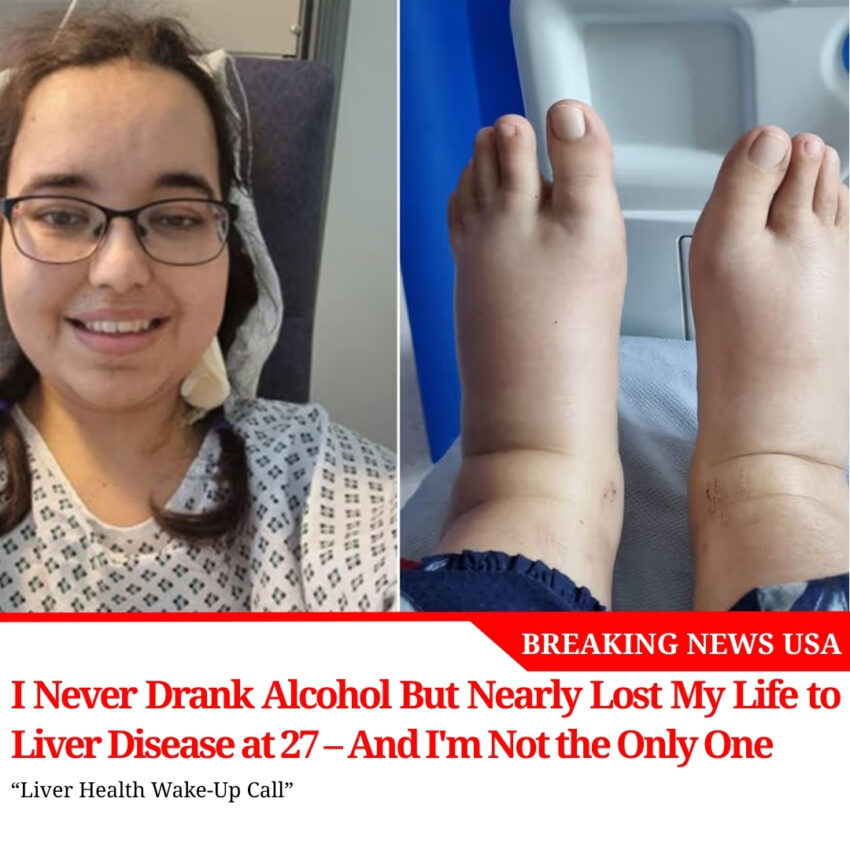
Robyn Noble was a fit and healthy 27-year-old student when she learned that her tiredness was actually a sign of a serious condition that is rising among young people – and doctors gave her just six months to live.
Does Exercising Make You Look Younger?
By the time the then 27-year-old Robyn Noble got the call, it was already critical. The student from Croydon had gone from working toward her master’s degree to being told she had just months left – all in a matter of weeks.
Her world changed when a routine visit to her doctor for fatigue in March 2021 – something she thought might be linked to a thyroid issue – revealed something much more serious. Within hours, she was diagnosed with advanced liver cirrhosis and placed on the waiting list for a transplant.
“I consider myself to be healthy,” she shares. “I’ve never had alcohol in my life. I had no symptoms of cirrhosis. Even when I was taken to the hospital, they were surprised.”
It represents bad times turned into good times – Childrens Liver Disease Foundation
Her condition was so serious that she received an urgent call in the early hours as soon as her blood test results came back. Her platelets were dangerously low. At the emergency room, further tests showed her liver enzymes were extremely elevated.
The condition is permanent, late-stage scarring of the liver that can stem from various causes. In recent years, liver disease has seen sharp increases, becoming one of the fastest-growing health concerns. Today, thousands of people face these challenges each year.
After weeks of testing, doctors diagnosed Robyn with autoimmune hepatitis – a condition where the immune system mistakenly attacks the liver, which can be triggered by different factors.
She began experiencing repeated episodes of hepatic encephalopathy, a serious complication affecting brain function. “One of the liver’s jobs is to remove ammonia from the blood,” she explains. “When it can’t, it impacts your brain. It caused complete amnesia. I would go to bed and wake up days later in the hospital with no idea what happened.”
In just four weeks, she had three scary episodes. Her condition worsened so fast that doctors worried she might not survive the wait. “They said the average waiting time is six months and they weren’t sure I had that long.”
Despite never drinking, Robyn faced repeated assumptions about her illness – even from some medical staff. “There are two big misconceptions,” she notes. “That liver disease only comes from alcohol, or that it only affects people who are overweight. I’ve had people say, ‘you’re too young’ or ‘you must have done something wrong.'”
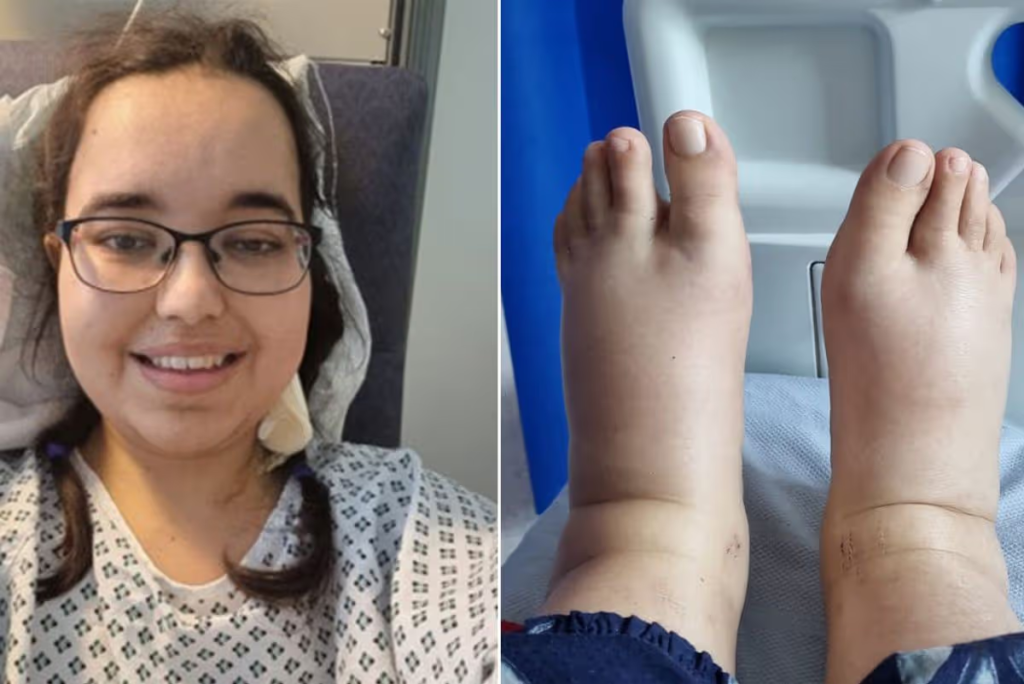
By June 2021, just three months after her initial diagnosis, Robyn was critically ill. Her liver and kidneys were failing, she was on dialysis, and her body was badly swollen. Confusion from the condition meant she often didn’t recognize the doctors treating her.
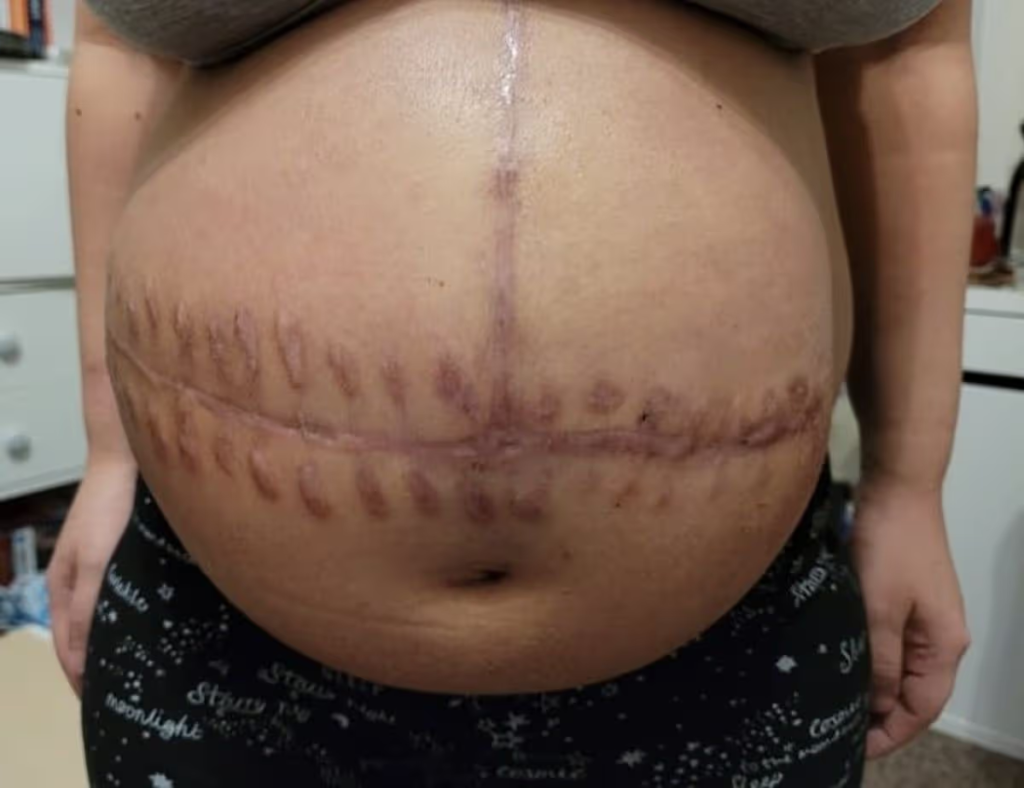
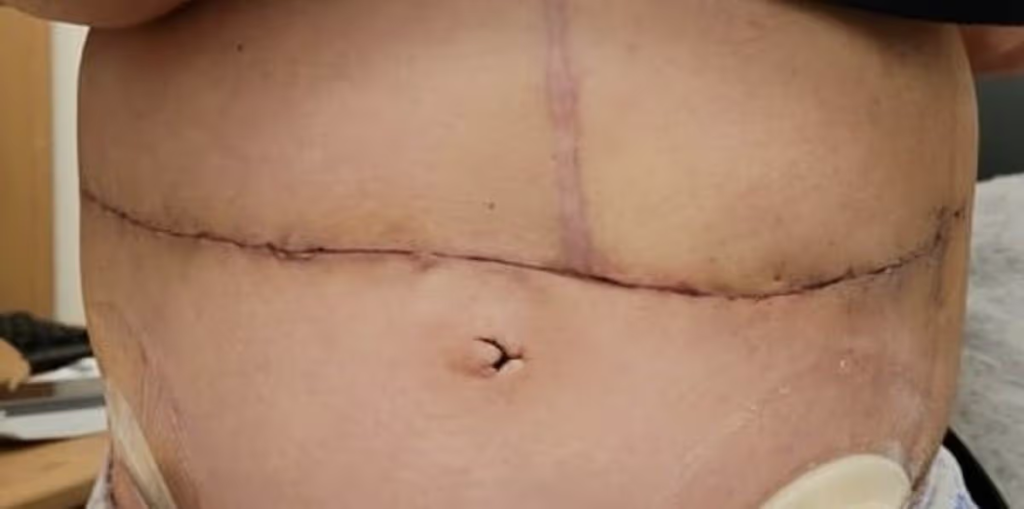
Thankfully, a liver became available within days, but her recovery was challenging. Because of her small frame – she is 4ft 11in – the donor liver was a bit large, leaving her with a significant hernia. Further surgeries followed, along with complications including an allergic reaction, sepsis, and pneumonia that left her in a coma for several days.
“I was incredibly swollen,” she recalls. “My lungs collapsed. It was a lot.” She was finally discharged in December 2021 – nine months after first seeing her doctor for fatigue.
Against the odds, Robyn has rebuilt her life. She returned to her studies at Goldsmiths, University of London, graduating with distinction, and has since worked in healthcare.
But life after transplant brings ongoing challenges. “My core strength will never be the same,” she says. “Cycling and swimming are harder now. There’s also the fatigue of living with a body that doesn’t work the way you want it to.”
Robyn’s story highlights growing concerns around liver health. While alcohol-related cases are common, other forms like non-alcoholic fatty liver disease linked to weight and autoimmune conditions are also on the rise, affecting people of all ages and backgrounds.
Experts stress the importance of early detection and greater public understanding. For Robyn, the key message is clear: “Liver disease isn’t just affecting older people. And it’s not just about alcohol.”