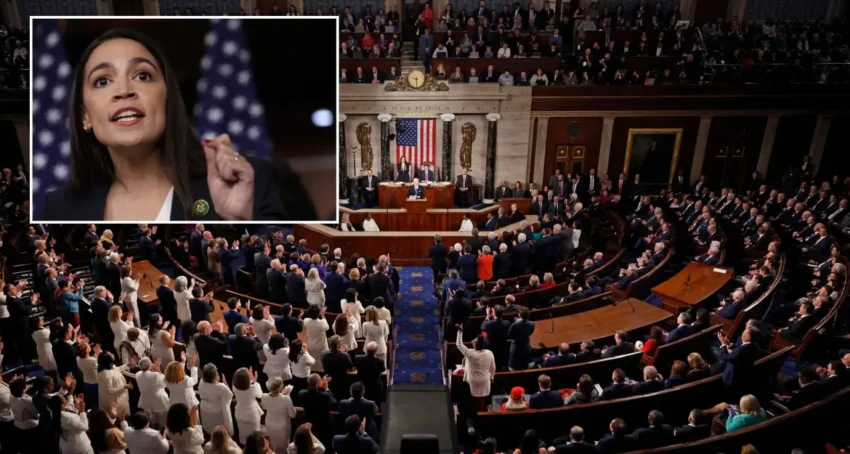
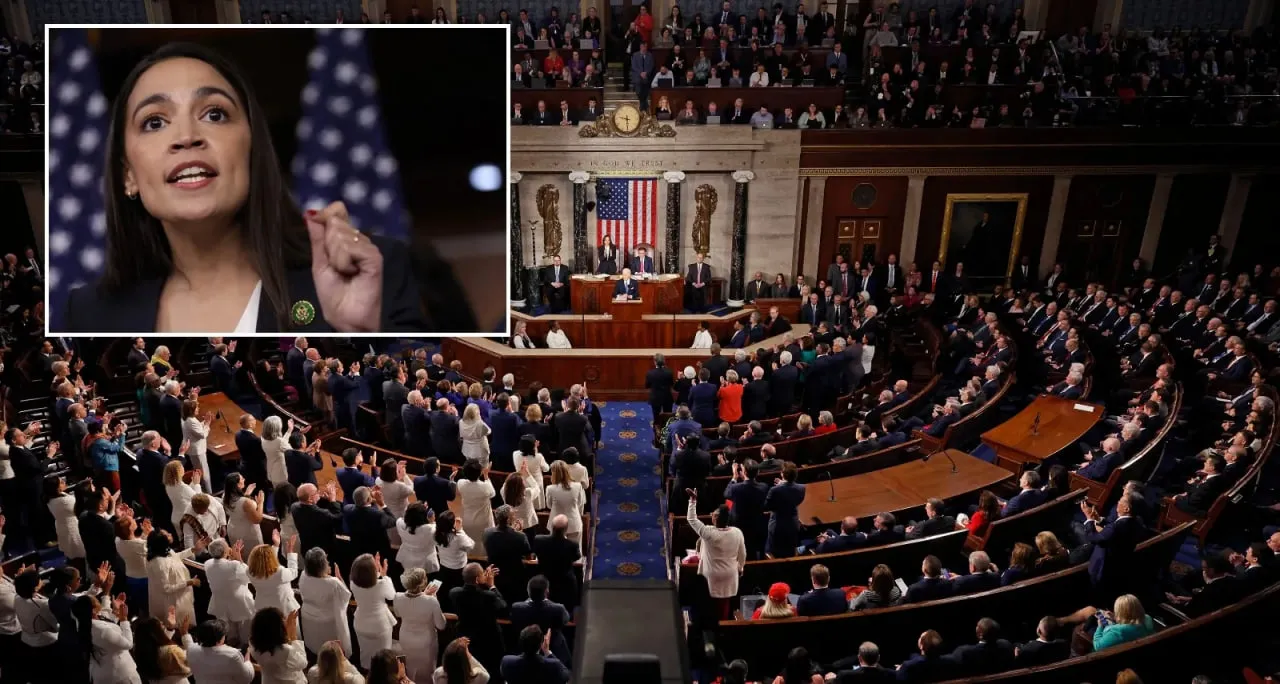
The U.S. House of Representatives has passed a bipartisan resolution formally denouncing the “horrors of socialism” and opposing the implementation of socialist policies in the United States. The measure passed with a significant 285-98 margin, revealing a notable shift in the political landscape as dozens of Democrats joined Republicans in supporting the resolution.
The vote underscored a growing ideological divide within the Democratic Party and the broader political establishment. Key highlights of the resolution include:
Bipartisan Approval: The resolution garnered support from 86 Democrats, including House Minority Leader Hakeem Jeffries and a large portion of the New York delegation. This collective move signaled a strategic effort by moderate Democrats to distance themselves from the “socialist” label.
Timing and Context: The vote occurred just as New York City’s newly elected socialist Mayor, Zohran Mamdani, arrived in Washington. Proponents of the bill, such as Rep. Nicole Malliotakis, utilized the floor debate to warn against policies they associate with historical socialist regimes.
Internal Party Fractures: The decision by party leadership to back the resolution has caused friction with the more progressive wing of the party, specifically the “Squad” led by Rep. Alexandria Ocasio-Cortez, who found themselves increasingly isolated in their opposition.
Despite the formal denunciation by the House, the progressive movement continues to challenge the political status quo through various primary contests. Notable developments include:
Primary Challenges: High-profile challenges are emerging, such as Chi Osse’s primary bid against Hakeem Jeffries in New York and Saikat Chakrabarti’s campaign for Nancy Pelosi’s former seat in California.
Ideological Conflict: Candidates aligned with the Democratic Socialists of America (DSA) argue that the current establishment is disconnected from the grassroots, while moderates maintain that centrist policies are essential for national stability.
2026 Midterm Strategy: Analysts suggest that the overwhelming support for the resolution reflects a calculated effort by incumbent Democrats to appeal to a broader electorate ahead of the 2026 midterm elections.