A group of congressional Democrats has introduced articles of impeachment against President Donald J. Trump and Defense Secretary Pete Hegseth, while dozens more lawmakers are calling for the president’s removal under the 25th Amendment following escalating tensions with Iran.
The impeachment effort was led by Rep. John Larson, who filed 13 articles accusing Trump of “high crimes and misdemeanors.” The allegations include claims of overstepping congressional war powers, engaging in unlawful military actions, and endangering U.S. national security through foreign policy decisions tied to recent military activity.
Larson’s proposal argues that the president has engaged in what it describes as a pattern of “criminal lawlessness,” including actions in Iran, Venezuela, and international waters. The articles also accuse the administration of improperly using federal authority in domestic law enforcement and immigration enforcement.
In a statement, Larson said the president had “blown past every requirement to be removed from office,” citing concerns over both policy decisions and conduct.
Separately, Rep. Yassamin Ansari introduced impeachment articles against Hegseth, accusing the defense secretary of violating his oath of office through military actions tied to the Iran conflict. Ansari’s proposal alleges reckless conduct and potential violations of constitutional limits on executive war-making authority.
The impeachment filings come amid heightened rhetoric and military tensions involving Iran. Trump recently issued a series of public warnings and threats related to potential military action, including statements suggesting large-scale destruction could occur if hostilities escalate.
Following those remarks, a growing number of Democrats began calling for the administration to invoke the 25th Amendment to the United States Constitution, which allows the vice president and a majority of the cabinet to declare a president unfit to serve.
According to reports, at least 80 Democratic lawmakers have publicly supported invoking the amendment. Some members have formally urged Vice President JD Vance and cabinet officials to take action.
Among them, Rep. Nancy Pelosi warned that if the cabinet does not act, Congress should intervene to limit the administration’s authority, particularly regarding military engagement.
Other lawmakers have used stronger language in their calls for action. Rep. Jasmine Crockett, in a letter to the vice president, raised concerns about the president’s mental fitness and the potential consequences of continued escalation.
The White House sharply criticized the impeachment effort. Spokesman Davis Ingle dismissed the proposals as “pathetic,” accusing Democrats of pursuing impeachment as a political strategy rather than a response to specific legal violations.
“Democrats have been talking about impeaching President Trump since before he was even sworn into office,” Ingle said, arguing that the effort reflects broader partisan divisions rather than substantive concerns.
Despite the strong rhetoric, the impeachment push faces significant political hurdles. Republicans currently control Congress, making it highly unlikely that impeachment articles would advance or lead to removal from office in the near term.
Similarly, invoking the 25th Amendment would require action from Trump’s own cabinet, many of whom are considered loyal to the president, further reducing the likelihood of that outcome.
The situation underscores ongoing tensions between the executive branch and congressional Democrats, particularly over foreign policy and the limits of presidential authority. It also reflects broader divisions within Washington over how military decisions should be made and overseen.
The developments come as political attention increasingly turns toward the 2026 midterm elections, where control of Congress could shift. Trump, who was impeached twice during his first term, has previously suggested that future impeachment efforts could depend on the outcome of those elections.
For now, the impeachment filings and calls for invoking the 25th Amendment appear largely symbolic, serving to highlight Democratic opposition to the administration’s actions rather than signaling an imminent change in leadership.
The broader legal and political debates surrounding presidential authority, congressional oversight, and military engagement are expected to continue as the situation evolves.
Trump Says Iran Offered Very Significant ‘Present’ as Talks Continue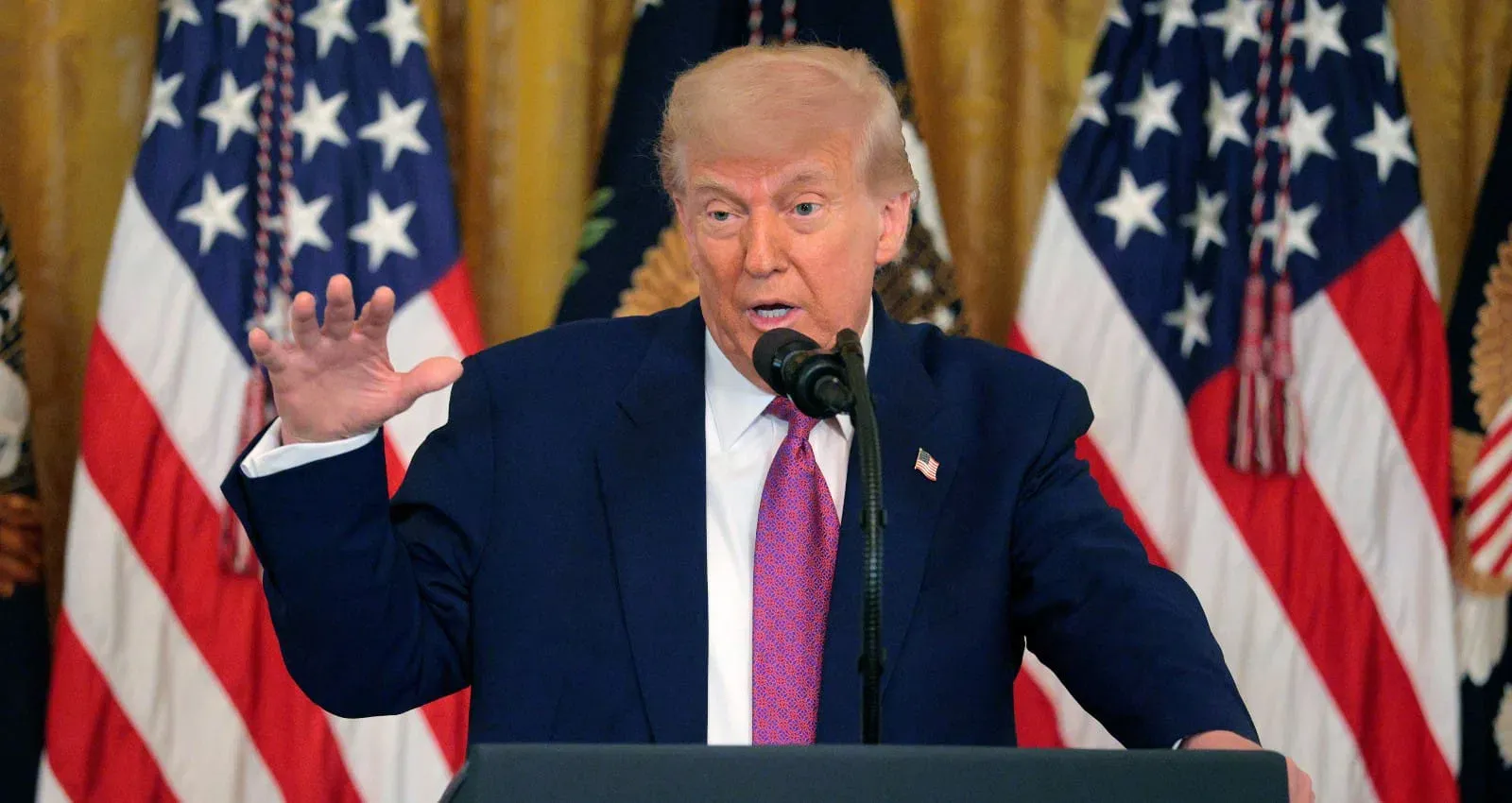
President Donald Trump said Tuesday that Iran has presented the United States with what he described as a “very significant” concession tied to global energy markets, signaling a potential opening in ongoing negotiations as tensions in the region remain high.
Speaking to reporters in the Oval Office, Trump characterized the development as a major breakthrough, though he declined to provide specific details.
“They gave us a present and the present arrived today, and it was a very big present, worth a tremendous amount of money,” Trump said. He added that the concession was “not nuclear,” but instead related to oil and gas, calling it “a very nice thing they did.”
Trump linked the move to ongoing discussions involving Iran’s role in energy markets and the strategic Strait of Hormuz, a critical maritime chokepoint through which roughly one-fifth of the world’s traded oil flows. “We’re talking to the right people,” the president said, adding that Iran “wants to make a deal very badly.”
The comments come amid a volatile standoff in the region, where disruptions tied to Iranian actions in and around the Strait of Hormuz have sharply reduced tanker traffic and contributed to instability in global oil prices.
U.S. officials have warned that mining activity and attacks on commercial vessels led to a steep drop in transit through the corridor in recent weeks.
The Trump administration had previously issued a 48-hour ultimatum demanding that Iran restore normal shipping through the strait or face military consequences, including potential strikes on energy infrastructure.
On Monday, Trump said he would delay those strikes for five days, citing what he called “productive conversations” with Iranian interlocutors.