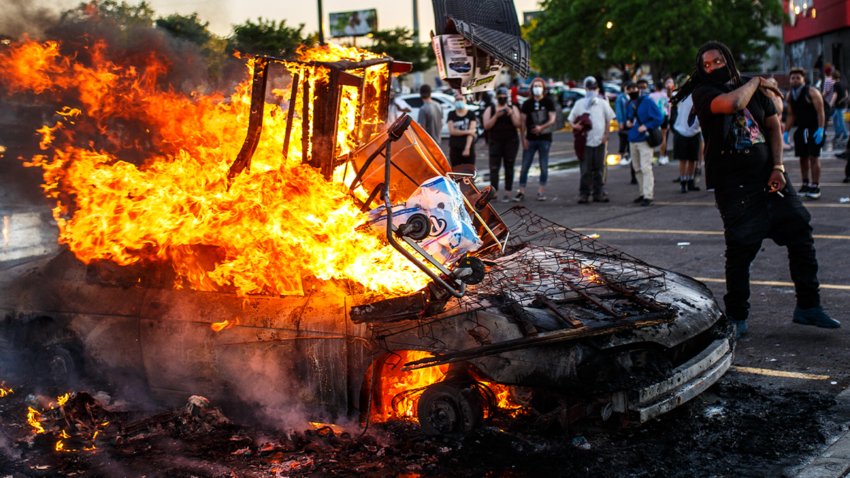
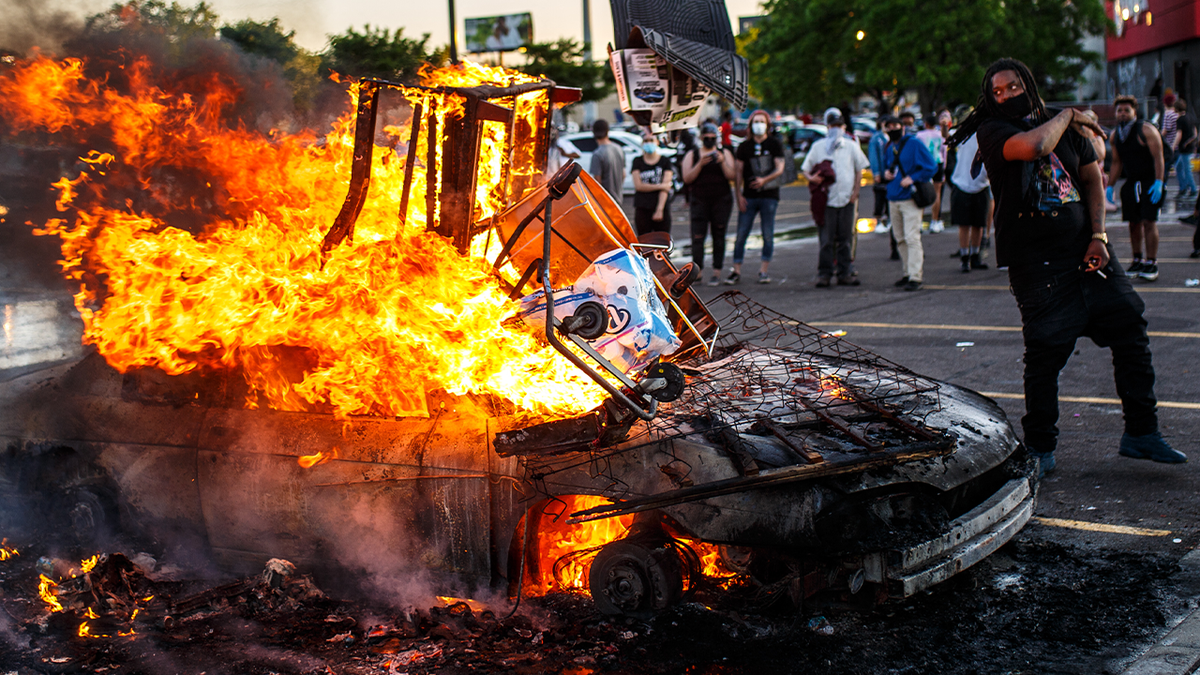
A wave of protests and clashes in Minnesota has reignited bitter debates over immigration enforcement, civil liberties and political leadership — drawing sharp public commentary from figures like Republican commentator Vivek Ramaswamy, who has described the situation as “chaos” and blasted government response amid what he claims are “lawless riots” in the state.
The unrest stems from a broader backlash against expanded Immigration and Customs Enforcement (ICE) operations and federal enforcement efforts in Minnesota, particularly the controversial Operation Metro Surge initiated by the Trump administration. Thousands of immigration agents were deployed statewide in late 2025 and early 2026 as part of an effort to arrest undocumented immigrants — a move that provoked large‑scale protests, clashes with law enforcement, and in some cases deadly confrontations.
On January 23, tens of thousands of Minnesotans participated in coordinated demonstrations opposing ICE activity and federal immigration tactics. Organizers and activists estimated remarkable turnout despite subzero temperatures, with hundreds of businesses and cultural institutions across the Twin Cities metro closing in solidarity. Participants called for federal agents to be withdrawn and for accountability in the wake of controversial enforcement actions.
The protests were not limited to demonstrations in public squares. In mid‑January, a group of activists entered Cities Church in St. Paul during a Sunday worship service to protest the presence of a church leader who also serves, they alleged, in a leadership role for ICE. Videos from the incident show protesters chanting slogans, attempting to confront those attending the service, and disrupting the worship environment — actions that drew swift condemnation from federal officials.
The Department of Justice (DOJ) has signaled that it intends to pursue charges against participants in the church disruption, asserting that interfering with a place of worship could violate federal statutes protecting religious exercise. Attorney General Pam Bondi posted on X (formerly Twitter) that protesters who crossed that line “will be found, arrested, and prosecuted.” Subsequent federal filings have resulted in dozens of arrests connected to the incident, including reports of prominent local activists and journalists being charged as part of broader civil rights investigations.
Supporters of the federal push argue that protecting houses of worship and ensuring freedom of religion are essential, and that those who use protest tactics that disturb services or intimidate congregants are accountable under existing law. Critics of the prosecution, however, describe the actions as overly punitive and an example of the federal government attempting to suppress dissent related to immigration policies.
Amid the turbulence, Vivek Ramaswamy — a business leader and political commentator known for his conservative positions — levied harsh criticism at both federal and local officials, claiming that the unrest reflects a failure of governance and an erosion of law and order. Online clips circulating on social media portray Ramaswamy suggesting that authorities have allowed “lawless riots” to spread unchecked, pointing to chaotic scenes in Minneapolis and surrounding communities.
While the specific contexts behind some of the online claims are difficult to verify, the broader narrative Ramaswamy promotes captures the heightened political polarization surrounding the Minnesota protests. Supporters on the right have amplified his comments as evidence of a breakdown in public order and a lack of decisive leadership, while opponents argue that such rhetoric oversimplifies complex issues and overlooks the underlying grievances driving protest — including widespread opposition to federal immigration enforcement practices.
The intensity of the protests reflects deeper fault lines in national debate over immigration policy. Minnesota’s demonstrations gained steam in part because of long‑standing tensions between local communities and federal immigration authorities. The January 23 protests came after a period marked by aggressive ICE raids and confrontations that included the killings of Minnesota residents by federal agents — events that fueled anger and undermined trust in federal enforcement.
Local leaders such as Minneapolis Mayor Jacob Frey and Governor Tim Walz have condemned aspects of the federal strategy, with Frey characterizing ICE actions as destabilizing and arguing that protests are a legitimate expression of frustration about federal overreach. Their positions reflect a broader divide between some state officials, who emphasize civil liberties and public safety, and federal authorities, who maintain that enforcement focuses on upholding immigration laws.
The protest at Cities Church in St. Paul — and the legal fallout that followed — has raised questions about the intersection of activism, civil liberties, and respect for religious spaces. Critics of the protest action contend that attending a worship service and disrupting it to make political points crosses a line and alienates potential allies. Supporters, however, point out that targeted protests represent deeply felt outrage over policies that disproportionately affect immigrants and minorities.
Legal experts also note that the federal response — particularly the use of civil rights charges under laws like the Freedom of Access to Clinic Entrances (FACE) Act — underscores the complex terrain where free speech, public safety and religious liberty intersect. Whether charges against protesters will withstand judicial scrutiny remains an open question, and ongoing litigation is likely to shape future debate.
The Minnesota protests and the uproar over how they’ve been portrayed politically highlight larger national tensions over immigration, law enforcement and civic protest. Figures like Ramaswamy and others on both sides of the political spectrum have used the events to reinforce their broader narratives about government competence, individual rights, and the direction of national policy.
As legal battles continue and community leaders work to calm tensions on the ground, Minnesota remains a focal point for the ongoing confrontation between federal immigration enforcement and local opposition. Whether the protests will lead to policy changes, shifts in public opinion, or long‑term legal precedent is an evolving story — one that illustrates the deep divisions that animate contemporary American politics.