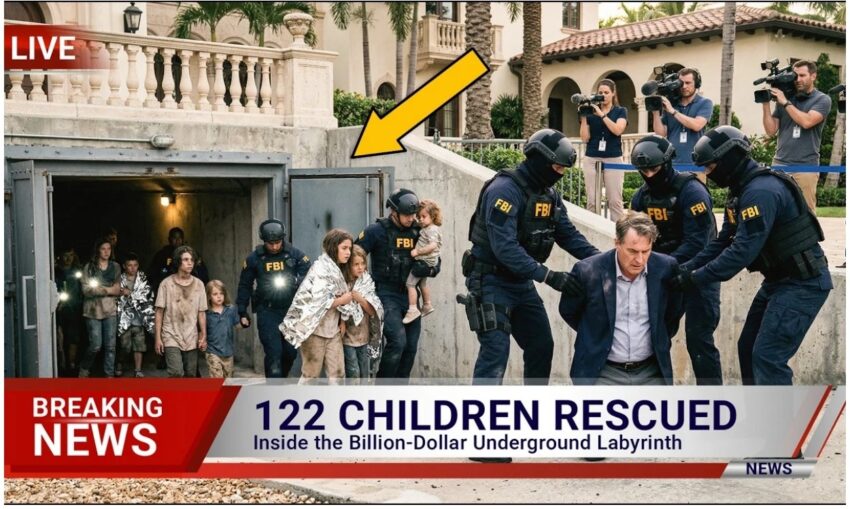
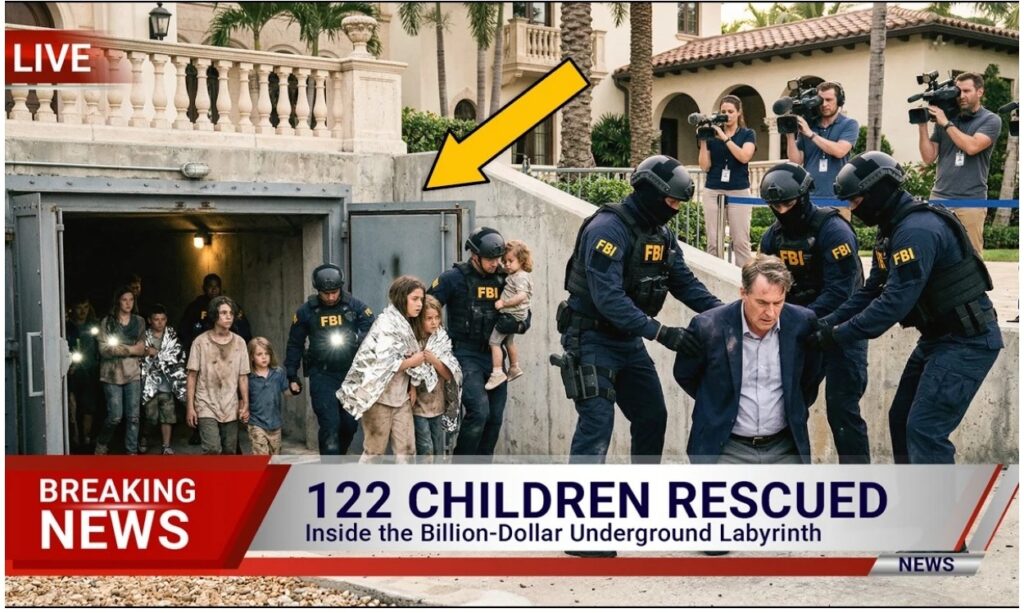
In the dead of night, federal agents stormed one of Palm Beach County’s most exclusive waterfront estates and uncovered a nightmare hidden behind gates, luxury, and a carefully crafted image of philanthropy.
What looked like a $47 million paradise — complete with private docks, manicured gardens, and a fleet of high-end cars — was allegedly the command center for a massive human trafficking operation that generated over $1.2 billion in profits from modern-day slavery.
During the dramatic raid as part of Operation Shattered Trust, more than 200 FBI agents, Homeland Security investigators, and local SWAT teams swept in with helicopters overhead and flashbangs lighting the darkness. What they found underground shocked even seasoned investigators: a hidden network of reinforced bunkers and secured rooms holding 122 victims — including 89 children as young as four years old.
Passports had been seized, fabricated debts kept victims trapped, and threats against families back home ensured silence. Many had been forced into endless labor in luxury hotels, private estates, and domestic servitude across multiple states and international networks.
The investigation began months earlier with a single brave phone call from a young woman who had escaped the nightmare. Lured from Guatemala with false promises of legitimate work, she described being held against her will in a sophisticated ring stretching across 47 countries. That tip launched a sweeping probe involving the FBI’s Miami Field Office, Homeland Security, the Department of Labor, and local authorities.
Financial trails revealed massive cash flows through shell companies funding yachts, private jets, and offshore accounts. Surveillance on the estate showed suspicious late-night activity and guarded deliveries. At the center stood the alleged mastermind, Victor Alain Marchetti — a prominent hospitality figure known for glittering charity events — along with 33 co-conspirators now facing a combined 47 federal charges, including forced labor, sex trafficking, money laundering, and conspiracy.
Prosecutors say the operation used seven interconnected companies as fronts, recruiting vulnerable people from Latin America, Southeast Asia, and Eastern Europe with job promises, then confiscating documents and inflating “debts” to trap them. Victims worked 16- to 18-hour days with little or no pay, rotated between locations to avoid detection. The estate itself allegedly served as both headquarters and a secret holding facility.
The human cost is devastating. Survivors described years of trauma, malnourishment, and psychological control. Children too young to fully understand their ordeal were forced into servitude. After the rescue, all 122 victims received immediate medical and psychological care, though many will need long-term support to rebuild their lives.
Federal officials hailed the bust as one of the largest trafficking takedowns on U.S. soil, emphasizing it was no random crime but a calculated empire built on exploitation disguised as legitimate business. Defense attorneys have pushed back, claiming overreach, but the evidence — victim testimonies, financial records, underground bunkers, and seized ledgers — tells a darker story.
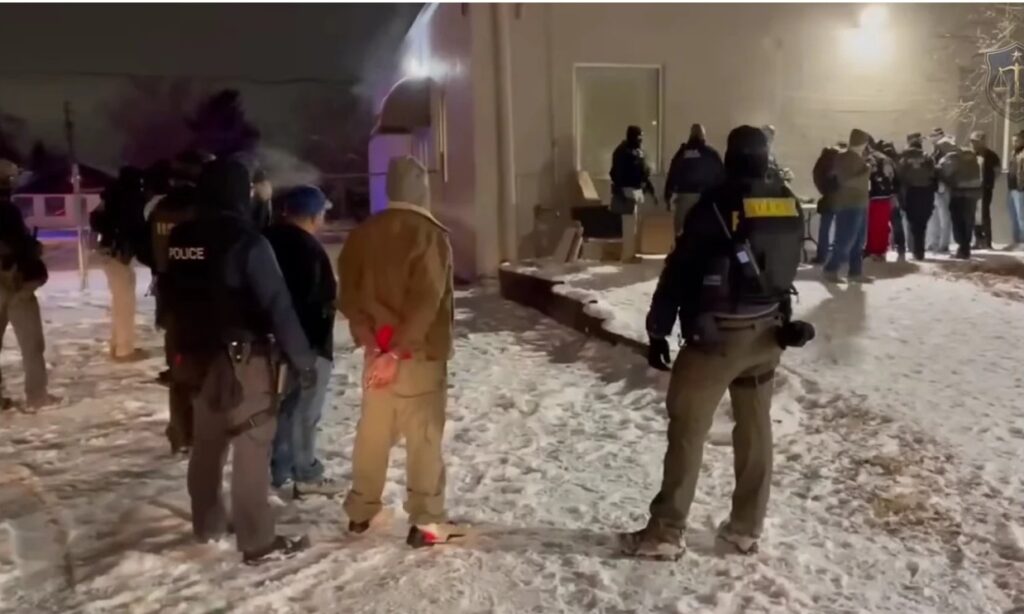
The raid has sent shockwaves through Florida’s high-society circles and reignited debates about elite impunity, lax oversight in hospitality industries, and the need for stronger protections against trafficking hidden behind wealth and influence.
As the cases move through federal court, some defendants could face life in prison. For the survivors, freedom is only the beginning of a long healing process. Their courage in coming forward may help dismantle similar networks still operating in the shadows.
This Palm Beach raid delivers a clear message: no amount of money, mansions, or social status can shield those who traffic in human misery. The FBI dragged the darkness into the light, rescuing 122 lives and exposing how evil can hide in plain sight among America’s elite. Justice is now catching up — and the full reckoning is just beginning.