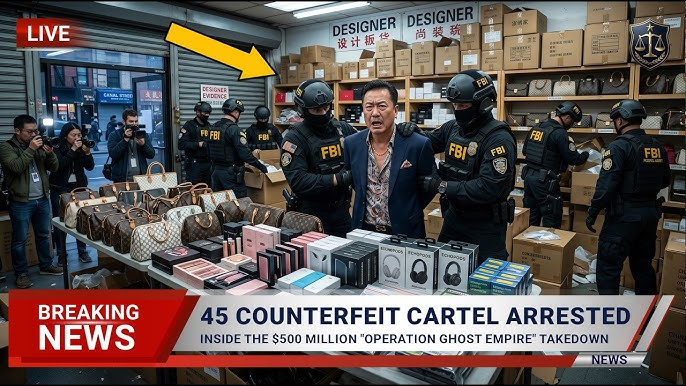
Federal agents launched a massive raid on a sprawling counterfeit operation in New York City, dealing a major blow to one of the largest fake luxury goods networks in the Northeast.
In a swift, intelligence-driven strike, FBI and ICE teams descended on a hidden warehouse and distribution hub, executing search and arrest warrants that led to 45 arrests and the collapse of an alleged $500 million counterfeit empire.
The operation targeted a sophisticated ring responsible for importing, storing, and distributing massive quantities of knockoff designer handbags, watches, sneakers, apparel, and electronics — primarily mimicking high-end brands like Louis Vuitton, Gucci, and Rolex. Authorities seized millions of dollars in fake merchandise, along with records, vehicles, and assets tied to the illegal enterprise.
Many of those arrested were described as repeat offenders with prior criminal histories, including counterfeiting, drug trafficking, forgery, robbery, and assault. Several were illegal immigrants from West Africa, particularly Senegal, who had cycled through the system multiple times despite previous encounters with law enforcement.
The raid highlights the dark underbelly of New York’s notorious counterfeit trade, long centered around areas like Canal Street in Lower Manhattan. For years, street vendors have openly hawked cheap fakes to tourists, but behind the scenes lies a well-organized supply chain that funnels goods from overseas manufacturers — mostly in China and Hong Kong — through ports, mail centers, and hidden warehouses before hitting sidewalks and online marketplaces.
Prosecutors say this network didn’t just sell harmless knockoffs. It generated enormous profits while costing legitimate American businesses billions in lost revenue, jobs, and tax income. Counterfeit goods also pose serious safety risks: fake cosmetics loaded with toxic chemicals, electronics that can overheat or explode, bogus auto parts that fail dangerously, and even counterfeit pharmaceuticals laced with deadly substances like fentanyl.
The operation is part of a broader federal crackdown under the current administration aimed at protecting intellectual property rights, cracking down on organized crime, and addressing the intersection of counterfeit trafficking with illegal immigration and other criminal activities. Profits from these schemes have been linked to funding drug operations and, in some cases, more serious threats.
While street-level enforcement on Canal Street often draws protests and accusations of overreach, federal officials stress that these actions target serious repeat offenders rather than small-time vendors trying to make a living. In previous sweeps, agents faced resistance, with protesters blocking vehicles and confronting tactical teams, but the focus remained on dismantling the larger criminal infrastructure.
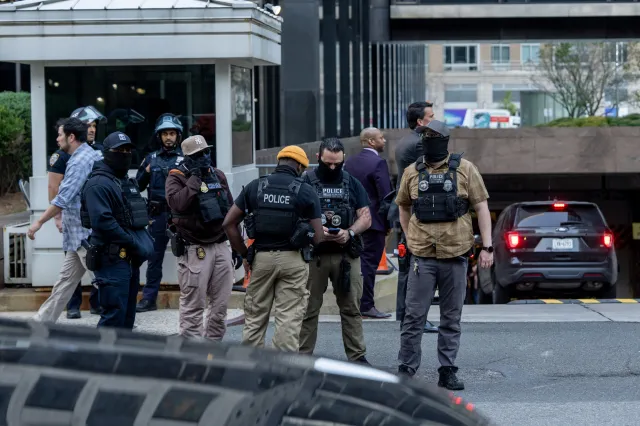
As the 45 defendants face federal charges for trafficking in counterfeit goods, conspiracy, and related offenses, the raid sends a strong message: the days of unchecked fake goods empires operating in the shadows of America’s biggest city are coming to an end.
New Yorkers and tourists alike are being reminded that those “bargain” luxury items come with hidden costs — to public safety, the economy, and the rule of law. Legitimate businesses, workers, and consumers all pay the price when counterfeit networks thrive.
The $500 million empire may have collapsed in this raid, but authorities vow the fight is far from over. More operations are expected as federal agencies continue targeting both street-level activity and the deeper supply chains that keep the counterfeit flood flowing into the United States.