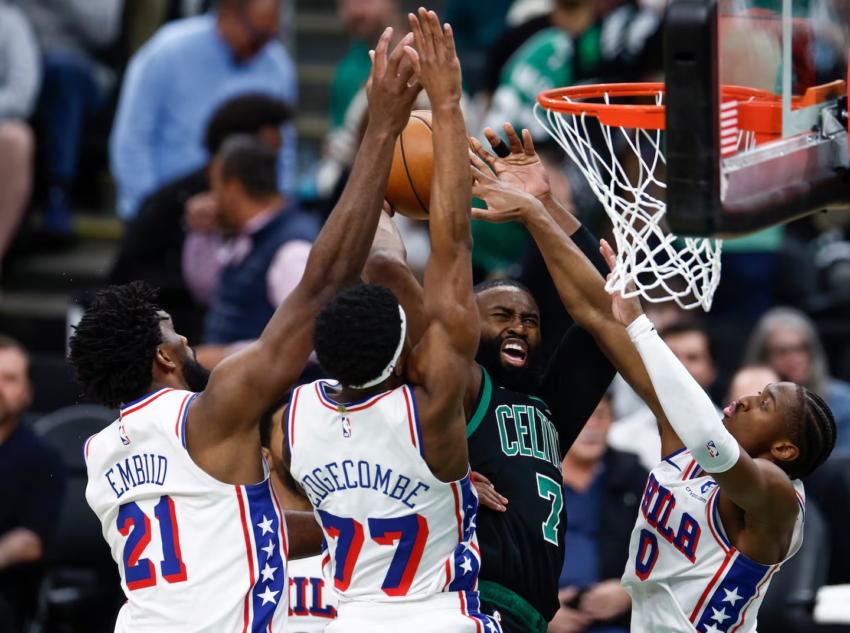
The Boston Celtics entered this first-round playoff series as heavy favorites, building a commanding 3-1 lead over the Philadelphia 76ers with dominant performances that had many believing a quick closeout was inevitable. Yet after back-to-back losses—including a tough 106-93 defeat in Game 6—the series is now tied at 3-3, setting up a winner-take-all Game 7 on their home floor.
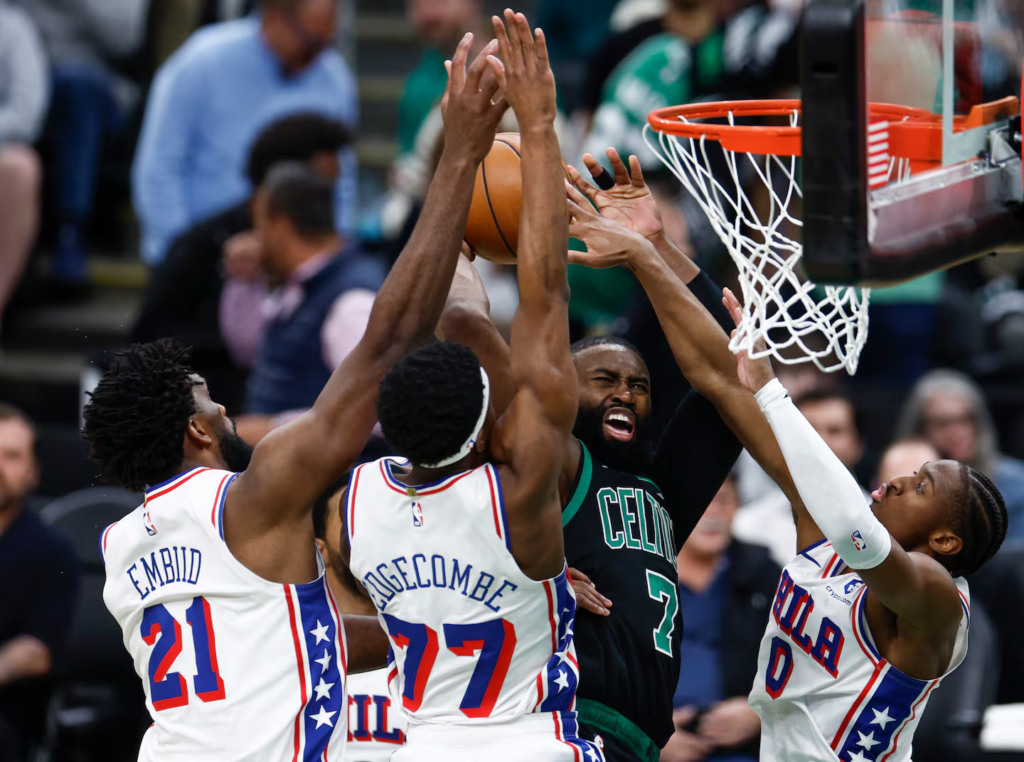
What went wrong? Comments from players like Jaylen Brown hinting at the 76ers bringing a “different swag” suggest the Celtics may have started looking ahead, underestimating Philly’s resilience instead of addressing their own inconsistencies. The reality is clearer when you examine the tape: Boston’s offense, which led the league in efficiency during the regular season, has gone cold, particularly from beyond the arc. In recent games, they’ve struggled to score efficiently, turning the ball over at key moments and failing to match the physical intensity the 76ers have brought.
The 76ers, led by strong outings from Tyrese Maxey and contributions across the board, have shown fight and defensive grit that forced this Game 7. They’ve held the Celtics under 100 points in consecutive contests, flipping the script on a team that cruised through much of the year.
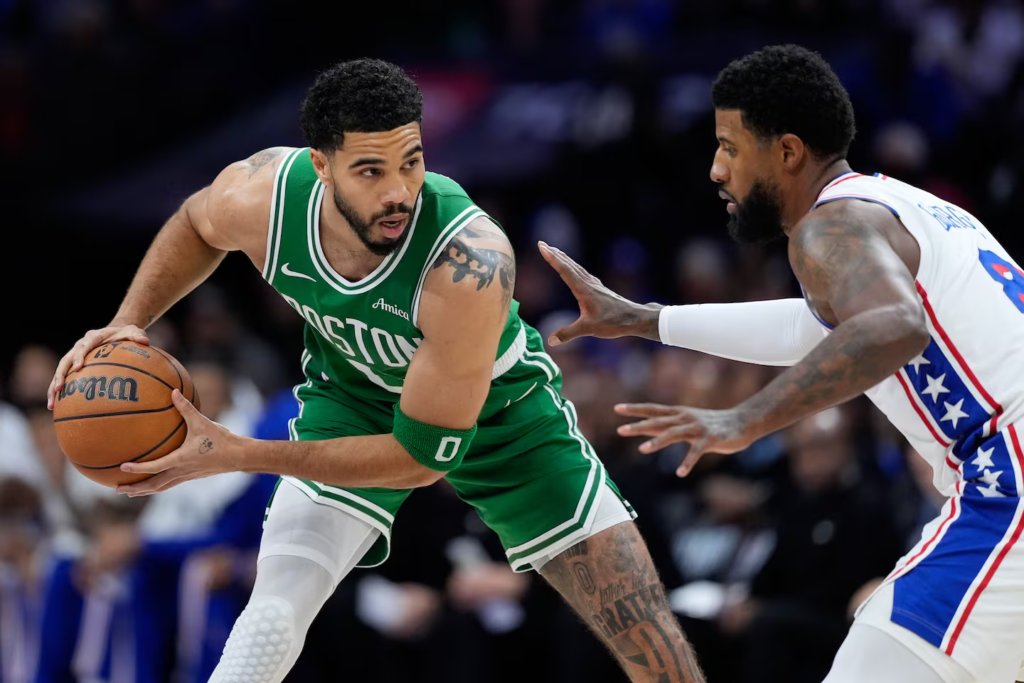
For Boston to advance, the focus needs to shift inward. It’s time to stop dwelling on what the opponent is doing differently and start fixing execution on both ends of the floor. That means sharper ball movement, better shot selection, and reclaiming the defensive edge that defined their regular-season success. Home-court advantage in Game 7 provides a real opportunity, but only if the Celtics play with urgency and self-accountability rather than any sense of entitlement.
This rivalry has produced plenty of memorable moments, and Saturday’s matchup will add another chapter. The Celtics have the talent and experience to prevail, but it starts with looking in the mirror and delivering their best when it matters most.