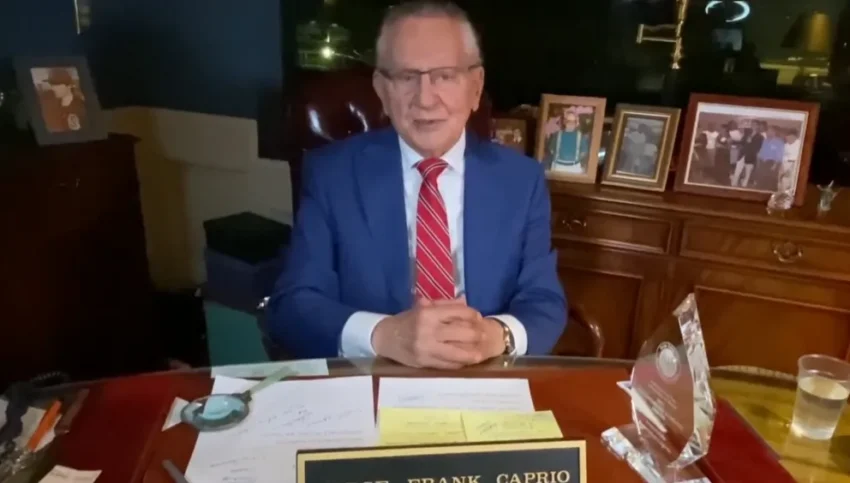
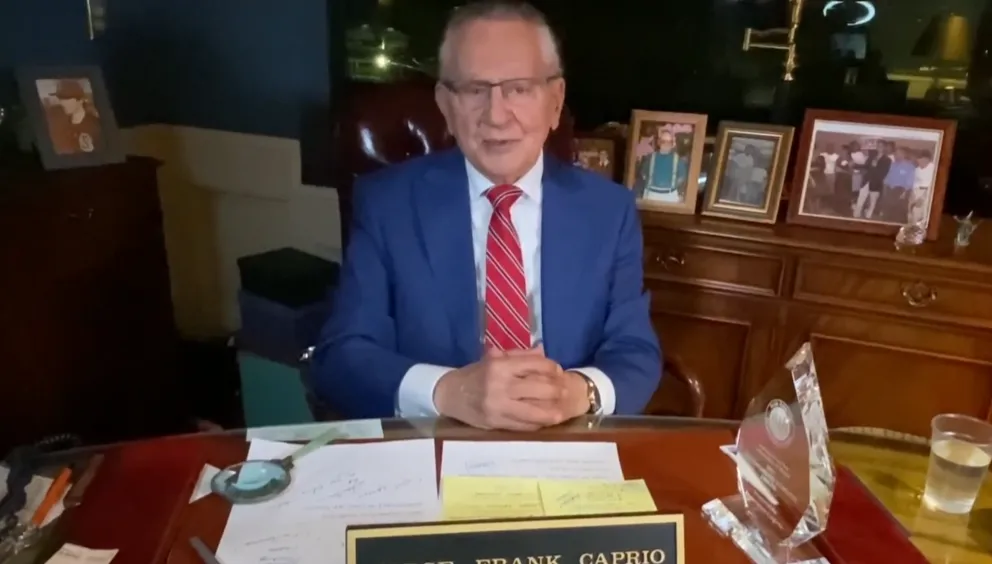
Judge Frank Caprio’s acceptance speech for the Voices of Justice Award was a powerful reflection on justice, personal values, and the responsibilities we hold as individuals in society. The speech, delivered with humility and deep conviction, resonated with all who were present, as he shared insights from his own life and career.
His words not only highlighted his personal journey but also served as a call to action for all of us to reflect on our role in creating a just society.
Judge Caprio began his speech by expressing profound gratitude for the honor of receiving the award. He introduced himself as a child raised in Providence, Rhode Island, in a family with immigrant roots.
His father, who sold fruit from a pushcart, and his mother, who struggled to make ends meet, instilled in him the values of hard work, perseverance, and integrity. He described his parents as individuals who came to America with little more than dreams, but those dreams were big.
Like many immigrants, they hoped for a better life for their children—one filled with opportunity and achievement.
The importance of family sacrifice and commitment was central to his message. Judge Caprio acknowledged that individuals in his position must remember the sacrifices made by the generations before them, and he stressed that we all have a responsibility to honor these sacrifices by treating others with kindness and respect.
The foundation of his life and career, he noted, was shaped by his parents’ commitment to these core values.
As he delved into the meaning of justice, Judge Caprio shared his reflections on the traditional view of justice that many are familiar with—the notion of giving people what they deserve based on the law. However, he emphasized that his perspective on justice differs significantly.
For him, justice is not just about adhering strictly to the law and imposing penalties. Instead, he strives to view every case through the lens of empathy, particularly considering the hardships many people face in their lives.
He often looks at the individuals standing before him in court through “the eyes of the poor, through the eyes of God,” understanding the challenges they face, especially when they come from immigrant families with similar struggles to those of his ancestors.
The judge expressed a deep sense of empathy, especially for the children who accompany their parents to court. He recalled seeing the fear in their eyes, worried that their parents’ financial difficulties might mean they would go without food, shelter, or fuel.
Judge Caprio made it clear that in his courtroom, no one should have to fear for their basic needs. The compassion he exudes as a judge reflects his broader view of justice as a means of ensuring that people not only face the consequences of their actions but also receive the support and understanding they need to make better choices in the future.
In the latter part of his speech, Judge Caprio turned to the concept of success and the responsibility that comes with it. He shared a lesson that he believes is crucial for anyone in a position of privilege or success: “The real challenge is whether you leave the ladder down so others can follow.”
He emphasized that true success isn’t measured by how far one climbs but by how many others one helps to reach the same heights. Giving back, he said, is not only about financial contributions but also about investing time, offering encouragement, and believing in others, sometimes with a simple gesture like placing a hand on someone’s shoulder and expressing trust in their potential.
In his concluding remarks, Judge Caprio issued a call to everyone to remember the lessons taught by our ancestors and to consider the most vulnerable members of society—those who are homeless, oppressed, ill, hungry, and powerless. He reminded the audience that our legacy is not built on wealth or status, but on the impact we have on others.
One day, he said, we will all be judged, not by how much money we have earned, but by how much we have cared for others. Our worth will be measured by what we have given, not what we have taken. Ultimately, the difference we make in the lives of those we touch will define our legacy.
Judge Caprio ended his speech with a poignant reflection on the nature of hope and the importance of inspiring others, especially those who are struggling. “We will be judged by the hope we bring to the hopeless,” he said, “and by the difference we make in the lives of those we touch.”
His words left a lasting impression, encouraging everyone present to think about the ways they can contribute to a more just and compassionate world.
Through his acceptance speech, Judge Caprio not only received an award but also imparted a profound message about justice, empathy, and responsibility. His reflections remind us that justice is not just about legal rulings but about understanding, compassion, and creating opportunities for others to succeed.
It is a call for us all to do more—whether through acts of kindness, advocacy, or simply being there for others in their time of need. In a world that often feels divided, Judge Caprio’s message is a reminder that we all have a role in making it a little more just and a lot more compassionate.