For years, Anatoly Moskvin stood out as an eccentric yet highly respected figure in Nizhny Novgorod, Russia’s fifth-largest city. A talented linguist fluent in 13 languages, he taught at the university level, authored scholarly papers, and built a strong reputation as one of the area’s top experts on local history and burial grounds. Known among peers as a “necropolist,” he dedicated himself to studying cemeteries and funeral customs with deep passion.
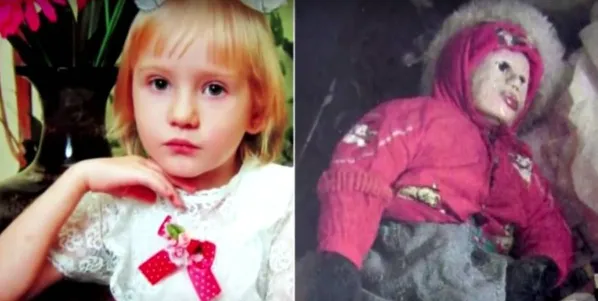
In 2011, his carefully crafted public image shattered when authorities uncovered a deeply disturbing secret in his home. The case sent shockwaves across Russia and beyond, revealing how an outwardly intellectual life could conceal something far more unsettling.
An Early Pull Toward History and the Afterlife
Born in 1966, Anatoly Moskvin displayed a keen interest in languages, culture, and history from a young age. He later spoke of a childhood event that shaped his fascination with death and burial rites, describing it as a pivotal moment that blurred the lines between life and what comes after. While details of that story remain unverified, it offered a glimpse into how he viewed his own path.
As he advanced in his studies, Moskvin focused on areas blending mythology, rituals, and concepts of the afterlife. He pursued advanced work in Celtic studies, a field full of tales about spirits and resurrection. His academic contributions earned genuine respect, helping him establish credibility in scholarly communities.
The Dedicated Cemetery Researcher
Beyond his teaching role, Moskvin spent countless hours exploring burial sites across the Nizhny Novgorod region, often walking great distances. He documented grave markers meticulously, researched the stories behind them, and contributed thoughtful articles to specialized publications.
Colleagues and acquaintances saw him as quirky but dedicated—socially reserved, intensely focused, and harmless in his pursuits. His work reinforced the picture of a man committed to honoring historical memory through cemeteries.
Disturbed Resting Places and Unanswered Questions
Around 2009, reports of disturbed graves began surfacing in the area. Some sites showed signs of tampering or opening. Officials first looked into possible vandalism or group activity, but the incidents stayed unsolved for nearly two years despite extra monitoring.
Throughout this time, Moskvin continued his research openly. His recognized expertise in the field may have shielded him from early suspicion, as he was seen as a protector of these sites rather than someone who would violate them.
The Apartment Discovery That Stunned Everyone
By 2011, investigators shifted focus to Moskvin. A search of the modest apartment he shared with his elderly parents revealed something unimaginable.
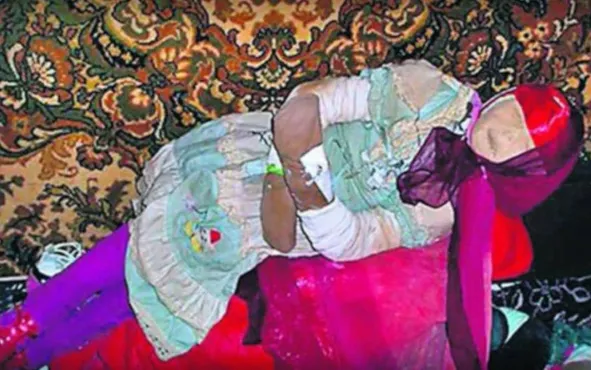
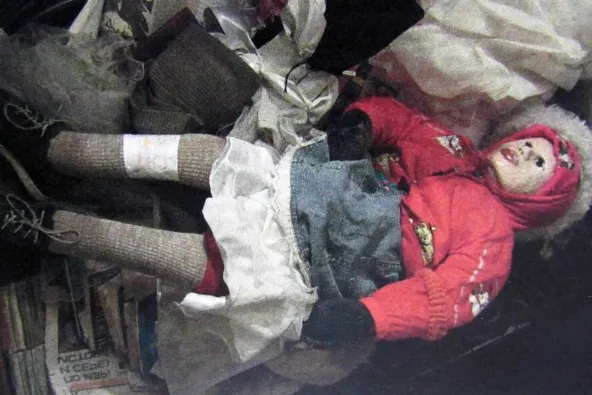
What appeared to be human-shaped figures, dressed in clothes and positioned like dolls or mannequins, filled parts of the space. Closer examination showed they were preserved remains carefully removed from local cemeteries—29 in total, spanning from young children to young women.
The find instantly turned the quiet historian into the center of a major scandal.
His Reasons and Inner World
In interviews, Moskvin acknowledged taking the remains but firmly denied any improper intent. He described profound loneliness and a longing for children—especially daughters—that he could not fulfill through adoption due to personal circumstances.
He spoke of treating them as his “children” and held hope that future science might one day bring them back. Moskvin emphasized that he cared for them respectfully, though these explanations brought little comfort to those affected. His parents had thought the figures were simply handmade creations and expressed shock at the truth. Neighbors described him as a quiet, polite man who kept to himself.
Legal Path and Medical Assessment
Charged with offenses related to disturbing graves and handling remains, Moskvin openly discussed his actions during proceedings but showed limited traditional remorse. Psychiatric evaluations became central to the case.
Experts diagnosed him with paranoid schizophrenia and determined he was not fit for standard trial. Russian law led to his placement in a psychiatric facility for mandatory treatment instead of prison time.
The decision fueled public discussion about balancing mental health considerations with accountability.
Ongoing Concerns and Continued Confinement
Later reports around 2018 raised the possibility of outpatient care as his condition reportedly improved, prompting strong reactions from victims’ families. They advocated for continued supervision to protect the community and honor their loved ones.
Courts ultimately kept him under hospital care. As of late 2025, Anatoly Moskvin remains in psychiatric care, with no confirmed plans for full release despite some noted progress.
A Story That Prompts Deeper Reflection
The Anatoly Moskvin case goes beyond the acts themselves. It illustrates how deep obsessions, mental health challenges, and isolation can remain hidden for years behind intelligence, education, and a respectable facade.
For the families involved, the pain includes not just loss but the additional violation of final resting places. For broader society, it stands as a sobering example of how unaddressed inner struggles in outwardly ordinary lives can lead to lasting harm—underscoring the importance of awareness and timely support.