In a horrifying story that sounds like a twisted nightmare, a 50-year-old American woman named Lalita Kayi Kumar was discovered barely alive, chained by one leg to a tree deep in a remote jungle in western India. For a shocking 40 days, she endured monsoon rains, starvation, dehydration, and isolation until a local shepherd heard her faint cries for help and stumbled upon the nightmare scene. Her accusations against her ex-husband have exploded into an international firestorm, raising terrifying questions about betrayal, survival, and how anyone could endure such hell.
The discovery hit like a bombshell on July 27. A shepherd walking through the thick, humid forest near Sonurli village in Maharashtra state followed desperate cries echoing through the trees. What he found left even hardened police officers stunned. There was Lalita, emaciated, soaked from heavy rains, too weak to speak or stand properly. A heavy iron chain and lock fastened her to the tree. She looked inches from death, her body ravaged by weeks of exposure, bugs, and no food or water.
Rescuers rushed her to a hospital where doctors fought to stabilize her severe dehydration, malnutrition, and exhaustion. Unable to talk at first, Lalita communicated through handwritten notes. In one chilling message, she claimed her ex-husband had dragged her into the jungle, chained her up, and abandoned her to die alone. The raw accusation sent shockwaves across India and back to the United States, sparking massive outrage and demands for answers.

How does anyone survive 40 days chained outdoors during monsoon season? Relentless rain, scorching humidity, dangerous wildlife, and total starvation should have killed her quickly. Yet Lalita clung to life just long enough for that shepherd to walk the right path and hear her weakening voice. Photos from the scene show the heavy chain wrapped around the tree and rescue workers helping the frail woman – images that have haunted viewers worldwide and triggered heated debates online.
Lalita had been living in India for nearly a decade after moving there to study yoga and meditation. She spent time in spiritual communities, far from her American roots. Police are now hunting for the ex-husband she named in her notes, digging into their past relationship, her travel records, and any history of conflict. Investigators are also searching the jungle for more evidence – personal items, documents, medication, and notes left near the tree – while questioning locals about any suspicious activity in the weeks before the rescue.
The case has exploded into a full-blown drama full of conflicting details and growing suspicion. Medical experts question how she lasted so long without food or water in such brutal conditions. Some suggest extreme trauma might have affected her memory or perception, while others point to possible mental health struggles before the incident. Police are carefully examining every angle, warning against jumping to conclusions while they verify her claims.
But the central horror remains impossible to ignore: an American woman alone in a dense Indian jungle, chained like an animal, crying out for rescue that almost never came. Had the shepherd chosen another route that rainy afternoon, she likely would have died there unnoticed. The remote location, thick vegetation, and dangerous monsoon weather made the area nearly impossible to search. Rescue teams later said the terrain was brutal even for professionals.
This terrifying ordeal has ripped open tough conversations about vulnerable foreigners living isolated lives abroad, broken relationships turning deadly, and the hidden dangers faced by people far from family support. Lalita’s story feels ripped from a horror movie – betrayal by someone she once trusted, weeks of silent suffering, and a miraculous last-minute rescue by an ordinary shepherd instead of police or technology.
As she recovers in the hospital, still emotionally shattered and physically weak, investigators continue piecing together the timeline. Did her ex-husband really commit this unthinkable act of cruelty? Were there warning signs in their relationship that no one caught? Or are deeper complications, including possible mental health issues, clouding the full picture? Authorities have not released every detail yet, urging the public to stay patient while the active investigation unfolds.
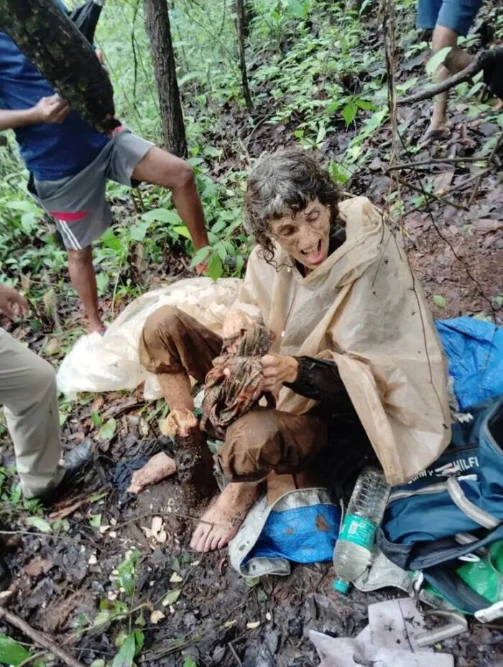
Online, the reaction has been explosive. Many call it attempted murder at its most savage, demanding swift justice for Lalita. Others debate the survival odds, questioning parts of the story while still horrified by the image of a chained woman fighting to stay alive. The case has drawn intense international attention, with people across America and India sharing her story and demanding answers.
Lalita’s handwritten notes remain the most powerful evidence so far – quiet words from a woman who endured the unthinkable and lived to tell her side. She couldn’t speak when found, but her written accusations scream louder than any shout. Now, as she regains strength, authorities hope she can provide more details to help track down the person she holds responsible.
The remote jungle near Sonurli village has become the center of a global mystery. Heavy rains washed away potential evidence, making the investigation even tougher. Police have interviewed locals, searched surrounding areas, and reviewed Lalita’s decade in India for any clues about her relationships and state of mind.
This case exposes raw fears many feel about loved ones disappearing overseas. A woman who sought peace through yoga and meditation instead found herself fighting for her life in one of the most isolated spots imaginable. The fact that a simple shepherd – not high-tech rescue teams – saved her adds another dramatic layer to the story. One wrong turn, and her cries would have faded forever into the trees.
Even now, with Lalita safe in medical care, the questions refuse to die down. What really happened during those 40 agonizing days? How much did she suffer from hunger, thirst, cold rains, and fear? Did her ex-husband plan this brutal abandonment, or is the truth more complicated than it first appears?
The world watches as Indian police push forward with the case, cooperating with U.S. officials given Lalita’s American citizenship. Her survival against all odds has turned her into a symbol of resilience, but the alleged betrayal behind it has left people furious and heartbroken.
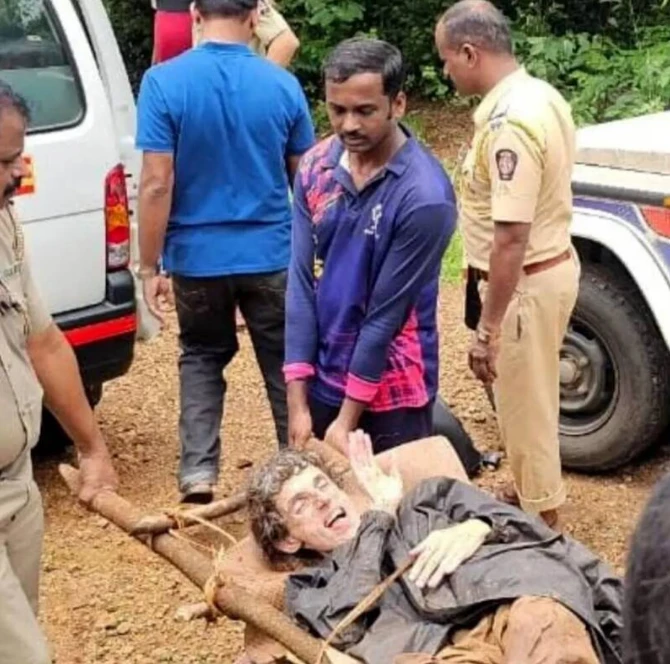
Somewhere in that rainy jungle, a woman was left to die by the person she once shared her life with. A shepherd’s ears caught her final pleas just in time. Now the fight for justice begins – a dramatic showdown that could reveal even darker secrets. Lalita Kayi Kumar lived through hell chained to a tree. Her story of survival and accusation continues to grip millions, proving once again that real-life horror can be more shocking than anything imagined.