
NEW YORK — There are big-league debuts, and then there are the ones carrying the weight of an entire franchise’s hopes. On Thursday night at Citi Field, Christian Scott experienced the latter.
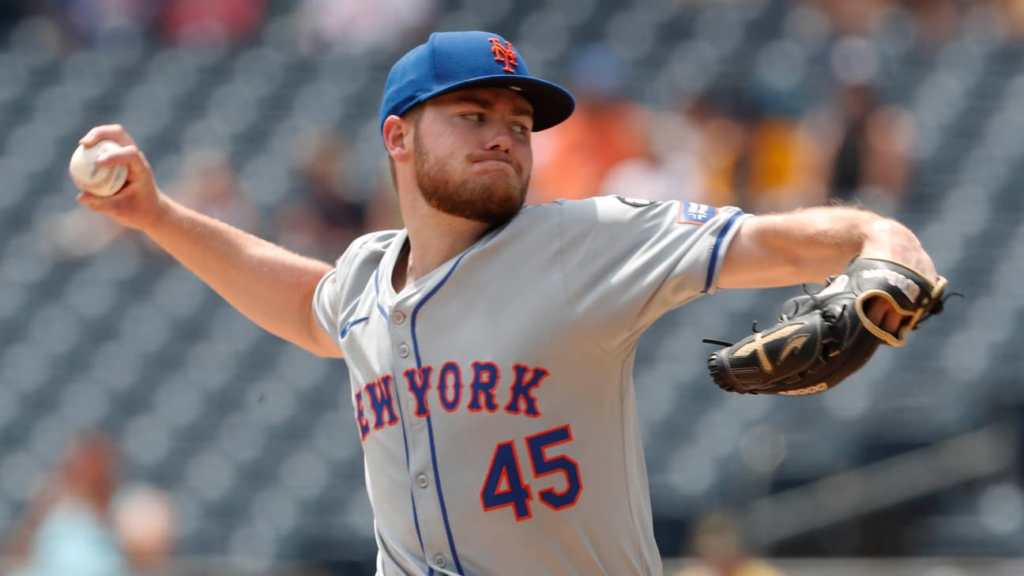
The 26-year-old right-hander, long viewed as the Mets’ top homegrown pitching prospect, made his long-awaited 2026 return after missing last season following elbow surgery. Many fans and analysts had billed him as the potential “ace” who could stabilize a shaky rotation. Instead, his comeback turned into a short, stressful struggle.
Scott lasted just 1.1 innings against the Minnesota Twins. While his four-seam fastball reached a scorching 99 mph, his command deserted him from the very first pitch. He walked five batters and allowed a high-leverage RBI single, forcing manager Carlos Mendoza to pull him before the second inning could even finish.
“I had too much adrenaline and didn’t harness it well,” a clearly disappointed Scott said afterward. “The velocity felt great, the arm felt healthy, but at this level you can’t walk five guys and stay in the game. I let the team down and I let the bullpen down. I’ve got to be better.”
The early hook was tough to watch for a fan base craving a reliable homegrown starter. Yet there were some encouraging signs beneath the surface. Scott’s slider still generated a strong whiff rate, and his spin efficiency matched pre-injury levels. The main problem appeared mechanical — a tendency to fly open with his front shoulder, a common issue for pitchers returning from extended layoffs.
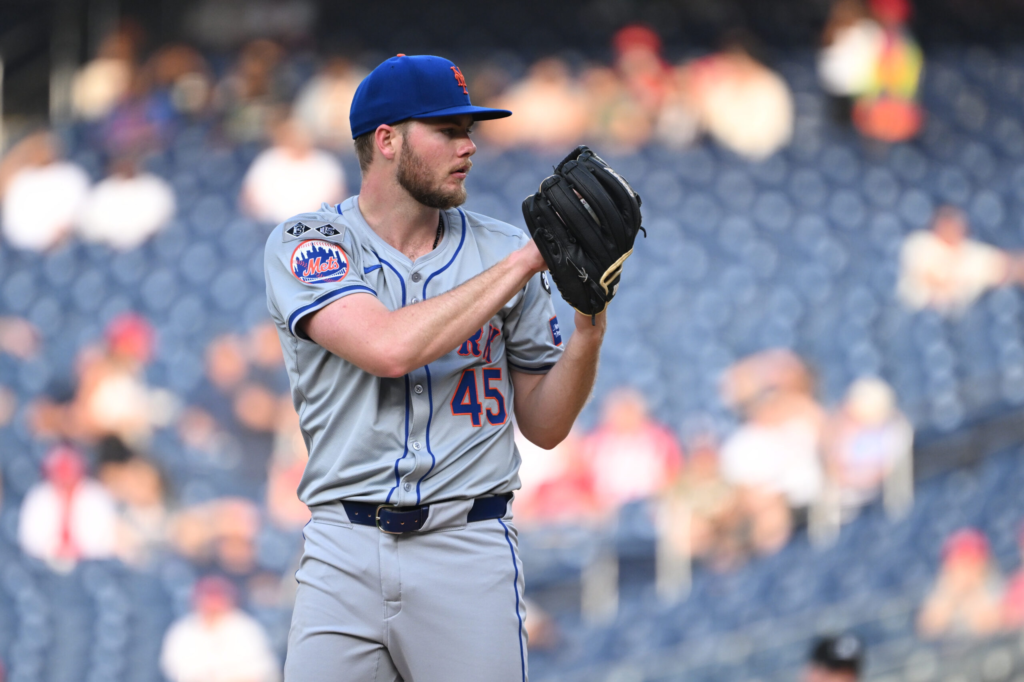
Despite the rough outing, Mendoza remained supportive. “Christian is a big part of what we’re building here,” the manager said. “One start doesn’t change that. He’s healthy, he’s strong, and he’ll get another crack next time out. We’ll help him lock in that command.”
The Mets went on to win a wild 10-8 slugfest, sparing Scott an official loss on his record. The “Save Our Season” hype has now quietly shifted to a more patient “Work in Progress” reality.
For Scott, the velocity and stuff are clearly still there — now the challenge is channeling the adrenaline and finding the strike zone when the bright lights are on.