On December 23, 1991, a devastating fire swept through a small home in Corsicana, Texas. Cameron Todd Willingham’s wife was out shopping for Christmas when the blaze started. Inside were their three young daughters. Despite Cameron’s efforts to reach them, all three children perished in the flames. He escaped with only minor injuries, but the heartbreaking loss soon turned into a legal battle that would change everything.
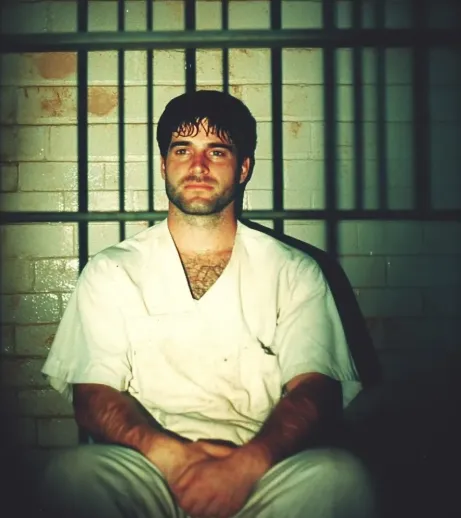
In the days following the fire, investigators shifted their focus from the grieving father to a potential suspect. Cameron was questioned at length, his actions and emotions closely examined. He maintained his innocence from the beginning, saying he loved his daughters and had tried desperately to save them. Friends and family described him as a devoted dad who was deeply attached to the girls. Yet prosecutors built a case around the idea that he had intentionally set the fire.
Their theory suggested Cameron started the blaze because he did not want the children. The case relied on arson investigation findings from the time, including burn patterns on the floor, the fire’s rapid spread, and possible signs of accelerants. There was no clear motive, no confession, and no direct physical evidence tying him to starting the fire, but the narrative moved forward.
Cameron’s wife stood by him on the question of the children, noting he was protective and caring toward them, even while acknowledging difficulties in their marriage. Still, the prosecution’s story prevailed. A jury convicted him of capital murder, and he was sentenced to death.
Cameron refused a plea deal that would have given him life in prison, continuing to insist he was innocent. On February 17, 2004, he was executed by lethal injection.
Even before his death, doubts about the case had begun to grow as fire science advanced. Years later, a panel of nine leading arson experts reviewed the original evidence, reports, and photos. Their conclusion was clear: the methods used in 1991 were based on outdated theories and myths. What had been called proof of arson—such as certain burn patterns and fire behavior—was consistent with an accidental fire, including the natural effects of flashover in a typical home.
The scientific foundation for the conviction had fallen apart. There was no reliable evidence the fire had been set on purpose.
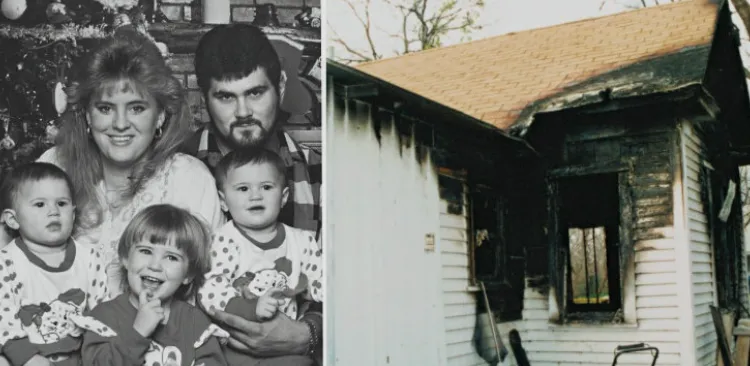
The case has since become a well-known example in discussions about forensic evidence and the justice system. It highlights how evolving science can reveal flaws in older investigations and the serious consequences that can follow.
At its core, it remains a profound human tragedy: three young children lost in a fire that may have been accidental, a father who lost his family and then his life, and a family forever changed. The story continues to raise thoughtful questions about thoroughness in investigations and the importance of relying on the best available evidence.
More than thirty years later, many still wonder: if today’s understanding of fire science had been available in 1991, would the outcome have been different? Cameron Todd Willingham’s case stands as a sobering reminder of how mistakes in the search for answers can carry irreversible weight.