A 911 call brought emergency responders to an apartment in Tucson, Arizona. A 9-year-old girl named Kelcye was unresponsive. Despite their best efforts to revive her, she was pronounced dead at the scene. What first seemed like a sudden medical emergency soon revealed a far more disturbing story of prolonged neglect.
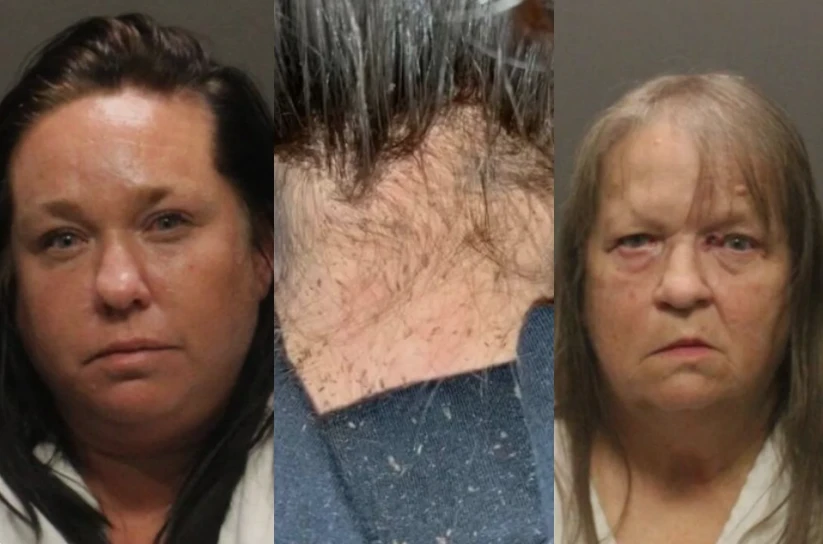
Kelcye had been living with her mother, Sandra Kraykovich, 38, and her grandmother, Elizabeth Kraykovich, 64. When authorities entered the home, they discovered dangerous and unsanitary conditions. Responders reported seeing a large number of bugs on the girl’s face, which immediately raised serious concerns and led to a full investigation.
Two other children, ages 11 and 13, were also in the apartment and living in similar circumstances, pointing to a pattern of neglect. It quickly became clear that Kelcye’s death was not sudden but the result of a preventable situation that had built up over time.
Police reports showed Kelcye had been ill for several days before her passing. She suffered from fever, vomiting, headaches, difficulty breathing, and eventually struggled to walk. These were clear warning signs that needed urgent medical care. Recovered text messages revealed that both Sandra and Elizabeth knew how serious her condition had become.
Yet no one brought her to the hospital.
Instead, the women tried to handle her symptoms at home with over-the-counter medicine like Motrin. At the same time, Kelcye was battling a severe, long-term lice infestation that had gone completely untreated.
Medical experts later explained that extreme lice infestations can cause ongoing blood loss from bites, leading to dangerous iron deficiency and anemia. When combined with poor nutrition, it can become life-threatening in rare cases.
That’s exactly what investigators determined happened here.
Sandra reportedly admitted she avoided the emergency room because of the severe state of her daughter’s hair and the visible lice. Rather than seeking professional help, she tried treating it with mouthwash—an ineffective approach with no medical value.
As Kelcye’s health declined rapidly, the chance for intervention was lost. By the time help was finally called, it was too late.
An autopsy by the Pima County Medical Examiner confirmed the cause of death as anemia due to the untreated lice infestation, with malnutrition as a contributing factor. The report also noted fluid in the lungs and liver damage, indicating her body had endured prolonged stress.
These findings shifted the case significantly. Sandra and Elizabeth were initially arrested on child abuse charges related to the conditions affecting all the children. After the autopsy results, both faced first-degree murder charges.
During questioning, Sandra acknowledged that her daughter’s death might have been avoided. She reportedly told investigators that seeking medical care could have saved her child’s life. That admission stood out as one of the most painful parts of the case.
The two surviving children were safely removed from the home and placed with relatives. Sandra and Elizabeth were held at the Pima County Adult Detention Center pending further court proceedings.
This tragedy shocked many because it didn’t stem from one dramatic event but from a series of overlooked warning signs and missed opportunities over time. Experts note that neglect cases like this can develop gradually, making them especially challenging to catch before it’s too late.
While similar rare incidents have occurred before, they only underscore the importance of recognizing signs of neglect and ensuring caregivers seek proper medical attention.
A young girl lost her life not because her condition was untreatable, but because it went untreated. The lingering question remains: if just one decision had been different, could she still be here today?