In a rare public rebuke, India has firmly pushed back against comments shared by President Donald Trump that described India as a “hellhole” and criticized immigrants from the country.
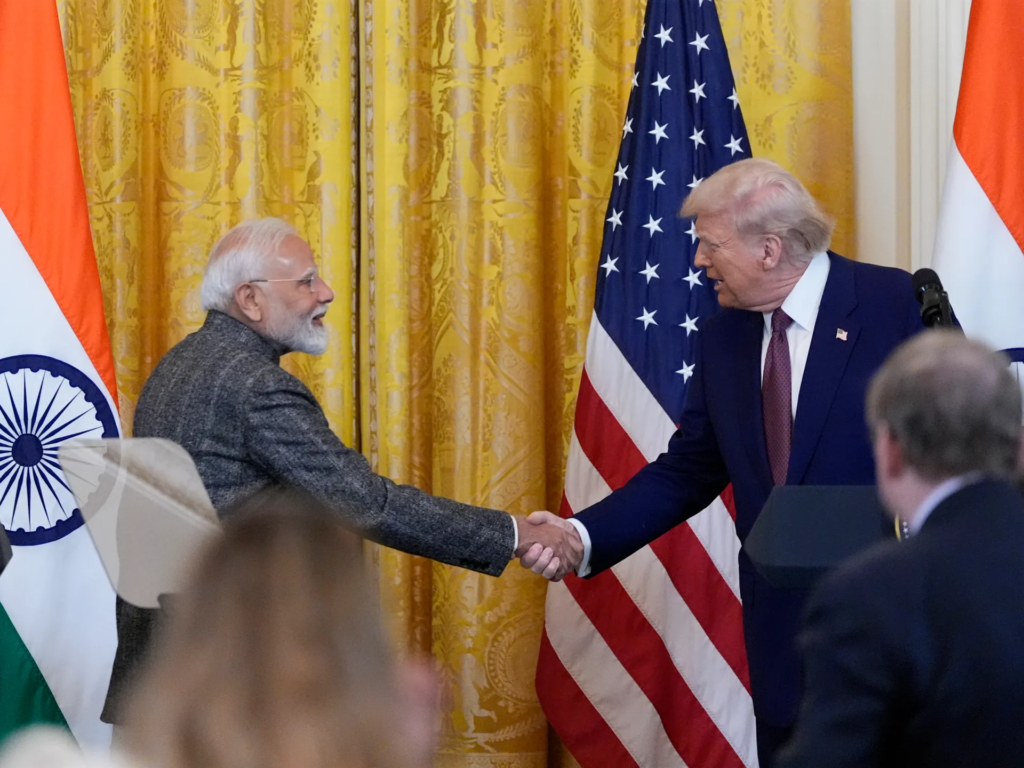
The controversy erupted after Trump reposted content from a right-wing podcast on Truth Social in which host Michael Savage referred to India (and China) in highly derogatory terms, claiming recent immigrants from these nations had not integrated well into American society.
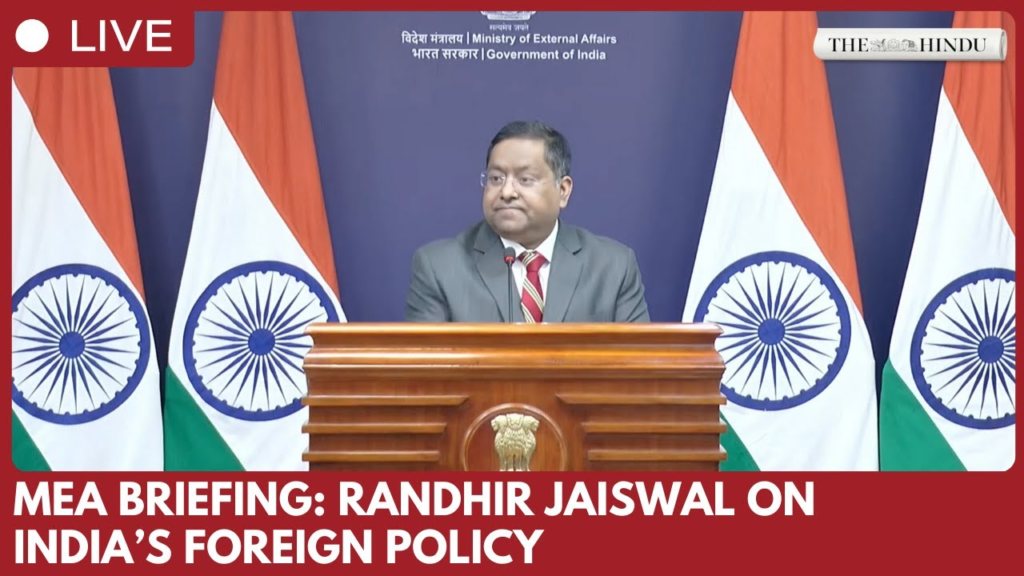
India’s Ministry of External Affairs (MEA) responded swiftly and decisively. Spokesperson Randhir Jaiswal stated: “The remarks are obviously uninformed, inappropriate and in poor taste. They certainly do not reflect the reality of the India-US relationship, which has long been based on mutual respect and shared interests.”
The strong wording marks an unusual direct criticism from New Delhi toward the Trump administration, highlighting sensitivities around immigration rhetoric and the large Indian-American community. Opposition leaders in India also condemned the post, with some urging Prime Minister Narendra Modi to address the issue personally given his historically warm ties with Trump.
The U.S. Embassy in India quickly moved to contain any damage, issuing a statement emphasizing that “India is a great country” and reaffirming the strong bilateral partnership under President Trump and Prime Minister Modi.
This episode comes amid ongoing trade negotiations and broader strategic cooperation between the world’s two largest democracies. While Trump has frequently praised Modi and highlighted the importance of the U.S.-India relationship, his sharing of the controversial post has sparked backlash among Indian officials, diaspora groups, and Asian-American advocates concerned about rising xenophobia.
As both sides work to manage the fallout, the incident underscores the delicate balance in U.S.-India ties — deep strategic alignment paired with occasional public friction over rhetoric and immigration policy. Officials on both sides appear eager to move past the controversy and focus on shared priorities like defense, technology, and countering regional challenges.