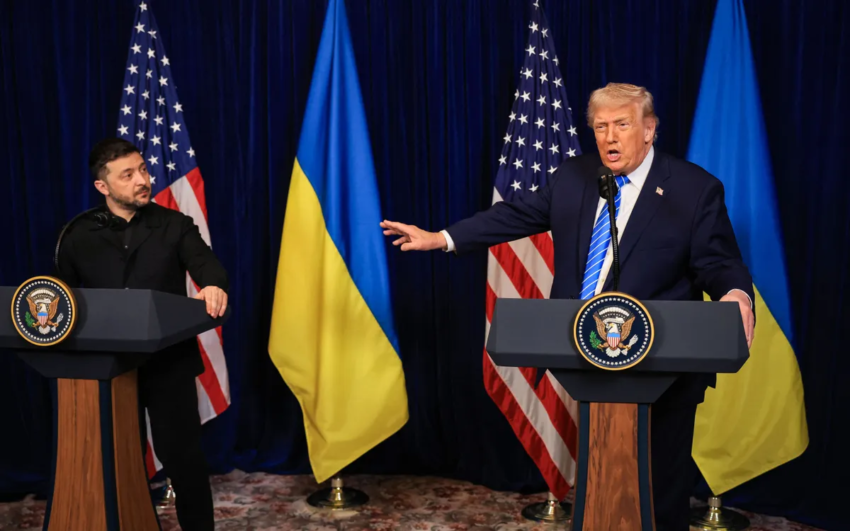
President Donald Trump openly acknowledged on April 23 that Ukraine’s firm stance is seriously complicating U.S. efforts to broker a peace deal in the Russia-Ukraine conflict — a deal he believes was once “very close.”
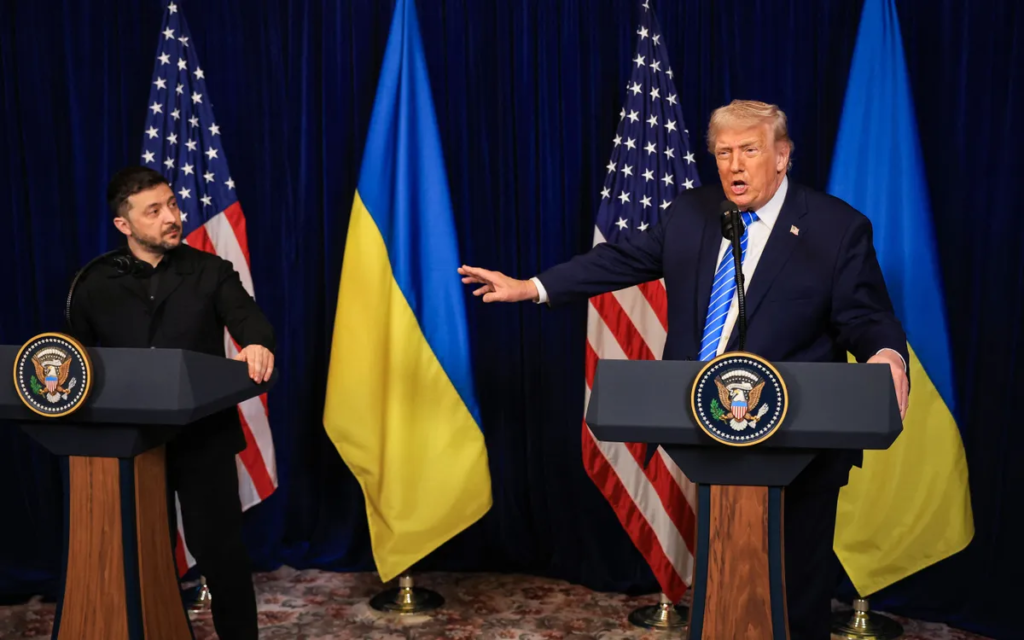
While Washington continues pushing for a resolution after more than three years of fighting, Trump and senior officials say deep disagreements between the parties, especially over territory, remain the biggest obstacle.
Vice President JD Vance outlined the American proposal, which includes freezing the conflict along current front lines and pursuing a long-term diplomatic solution. Both Russia and Ukraine would need to make territorial compromises, with the U.S. warning it could walk away from mediation if the sides refuse to budge.
The most contentious issue is Crimea, which Russia annexed in 2014. Trump has declared the peninsula “no longer up for discussion,” stating it was “lost many years ago” and signaling Washington may recognize Russian control as part of any final agreement. President Volodymyr Zelensky, however, has repeatedly vowed that Ukraine will never cede Crimea, calling it a violation of the nation’s constitution and sovereignty.
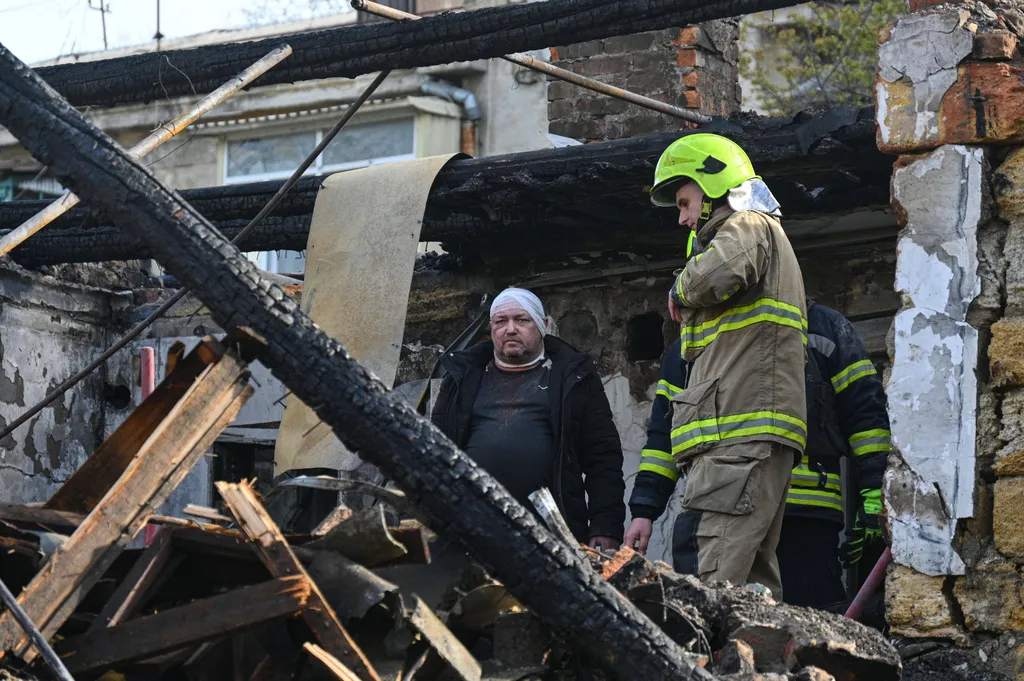
Trump criticized Kiev’s position as “very damaging” to the negotiation process, saying it has made reaching a deal significantly more difficult.
Diplomatic efforts remain complex. Recent talks in London between the U.S., Ukraine, and European allies were scaled back from high-level to working-group meetings. Russia continues to reject the idea of European peacekeepers in Ukraine, while the Kremlin’s spokesman Dmitry Peskov noted that significant differences still exist and no consensus has been reached.
On the ground, the war shows no signs of easing. Russian missile and drone strikes continue to hit Ukrainian cities and infrastructure, keeping pressure high even as diplomacy moves forward.
Meanwhile, the European Union is doubling down on its support for Ukraine. On the same day, the EU approved a massive new €90 billion ($105 billion) loan package in three tranches for military, budget, and economic support, along with its 20th round of sanctions targeting Russia’s energy, banking, and trade sectors. EU leaders also called for accelerating Ukraine’s accession talks, though several member states stressed there will be “no shortcuts” and that Kiev must meet all standard reform criteria.
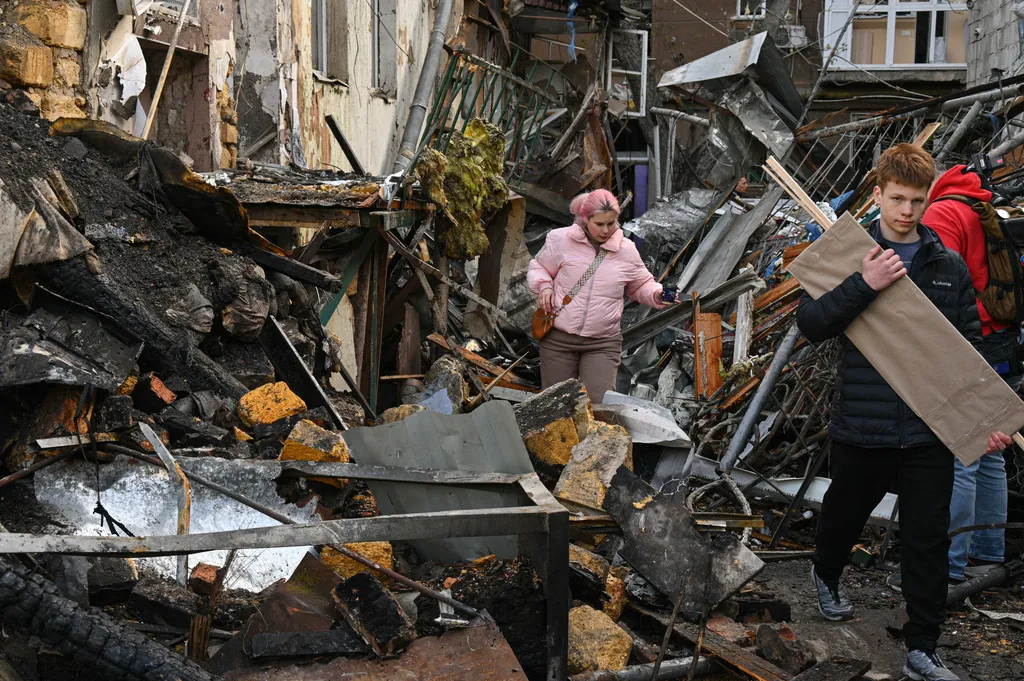
Trump maintains he has already secured an understanding with Moscow and that the main remaining hurdles lie in Kiev. Yet analysts warn that core issues — territorial status, security guarantees, and implementation timelines — are far from resolved, leaving the path to peace uncertain.
As both sides dig in, the coming weeks will be critical in determining whether the Trump administration can bridge the gap or if the conflict will drag on even longer.