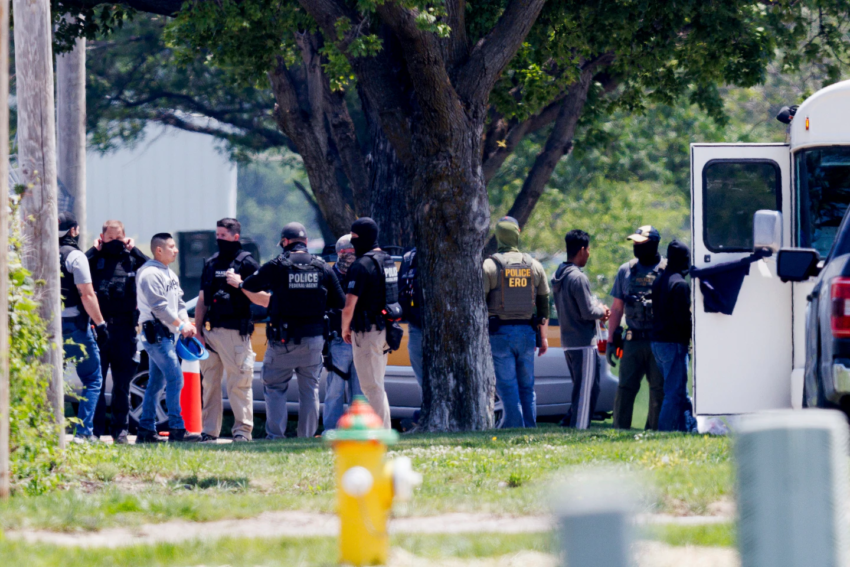
In a stunning blow to international drug trafficking, U.S. federal authorities have taken down a massive $940 million money-laundering network with deep Chinese connections operating right inside the United States.
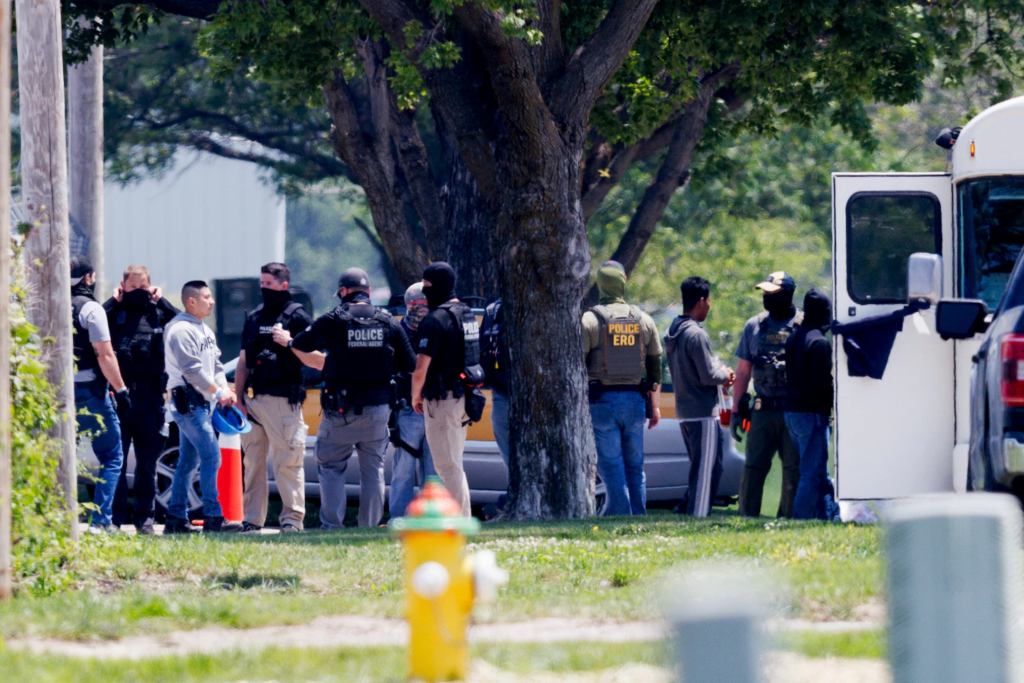
Operation Black Lantern exposed a highly sophisticated shadow banking operation tied directly to three tons of cocaine, mountains of bulk cash, shell companies, and encrypted financial channels that funneled dirty money across borders with remarkable efficiency.
In coordinated early-morning raids across New York, Dallas, and several interstate routes, the FBI, DEA, ICE, and DHS served sealed warrants on storefront businesses and logistics fronts cleverly designed to mask the flow of illicit funds.
The haul was jaw-dropping: more than $74 million in cash, hundreds of kilograms of cocaine, encrypted servers, burner phones, and detailed ledgers that mapped out a laundering machine built to look like everyday legitimate banking.
At the heart of the network was Chen Guolyang, a key financial controller who greenlit massive transfers linked to narcotics shipments—all without ever handling the drugs himself.
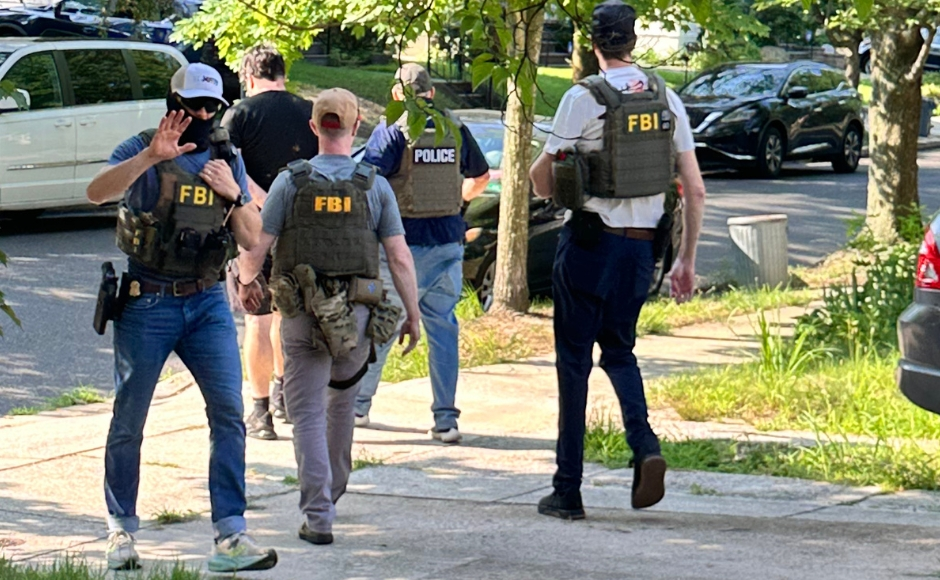
This case shines a harsh light on the new face of drug trafficking: it’s no longer just about moving product—it’s about building entire financial infrastructures that keep the profits flowing safely.
Dubbed Operation Black Lantern, the investigation laid bare how criminal syndicates have quietly embedded themselves into everyday American commerce, using real estate, nonprofits, and shell corporations to wash drug money without raising eyebrows.
The operation’s sophistication was chilling. Analysts say the network was engineered for long-term survival, complete with backup plans to keep running even after major arrests— a level of professionalism rarely seen in traditional cartel ops.
What emerged wasn’t just another drug ring but a full-blown parallel financial ecosystem that relied more on boardroom access and silence than on street-level violence.
This evolution forces tough questions: How do law enforcement agencies keep pace with networks that blend so seamlessly into legitimate business?
As the case continues to unfold, Americans are left wondering about the integrity of our financial systems when corruption this deep can hide in plain sight. The call for stronger oversight, tougher regulations, and real accountability has never been louder.
Federal agents spent months building the case, connecting the dots between cash drops, encrypted messages, and international wire transfers before launching the dramatic raids that sent shockwaves through both the drug and financial worlds.
With this major network dismantled, one question lingers: How many more operations like this are still operating in the shadows?
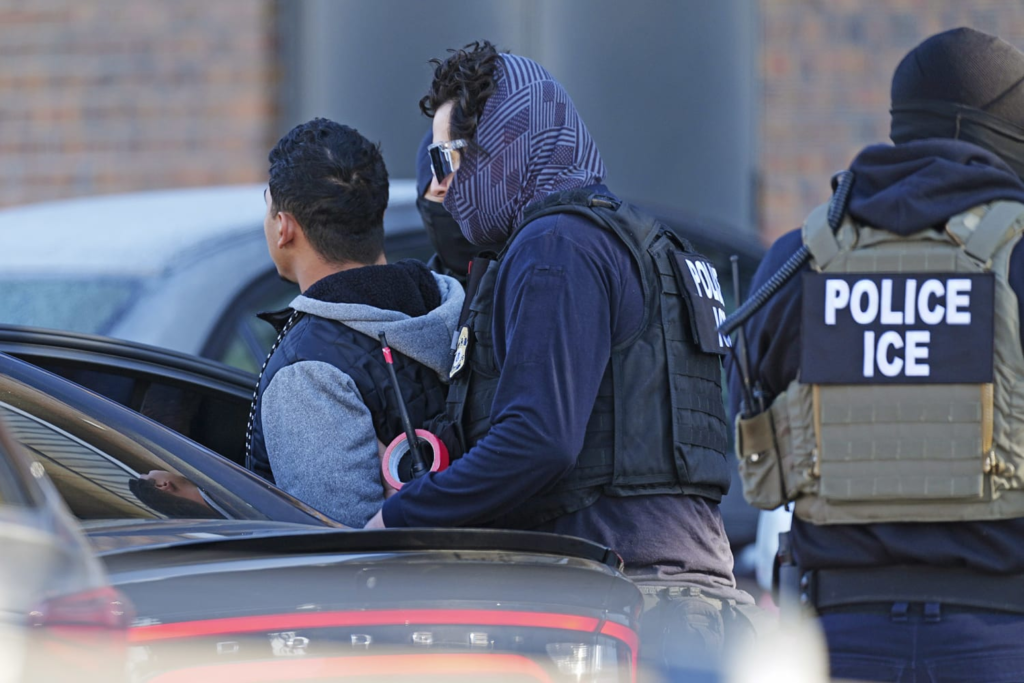
The war on narco-finance is far from over. Staying vigilant and giving law enforcement the tools they need will be critical to protecting the integrity of America’s economy and communities.
What steps do you think should be taken to fight these sophisticated narco-finance networks? How can we better equip our agencies to root them out before they grow even larger?
Share your thoughts—the conversation matters as we push for a future where our financial systems stay clean from the stain of drug money.