For many, Melania Trump is primarily remembered for her striking elegance, impeccable poise, and carefully crafted public image. From glamorous state dinners to high-fashion moments on the global stage, her visual presence often stole the headlines.
But that polished exterior only tells half the story. Behind the scenes, a quieter thread of commitment runs through her time as First Lady — one focused on meaningful, often understated humanitarian work that rarely dominated the news cycle.
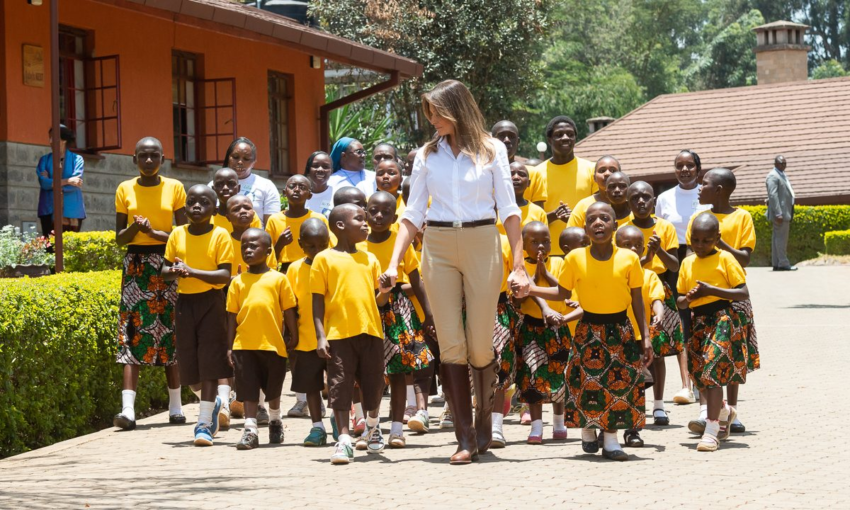
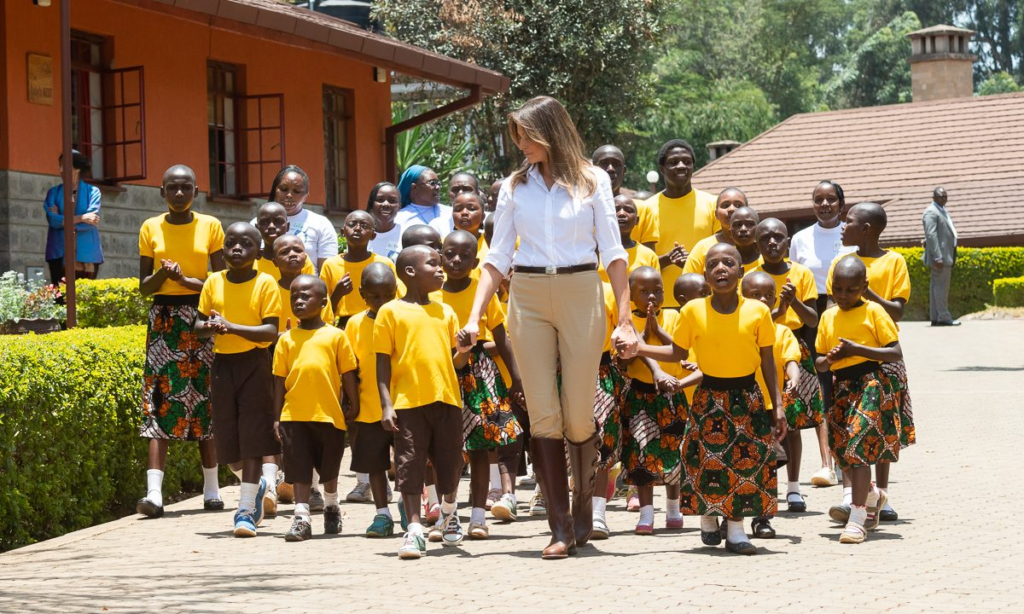
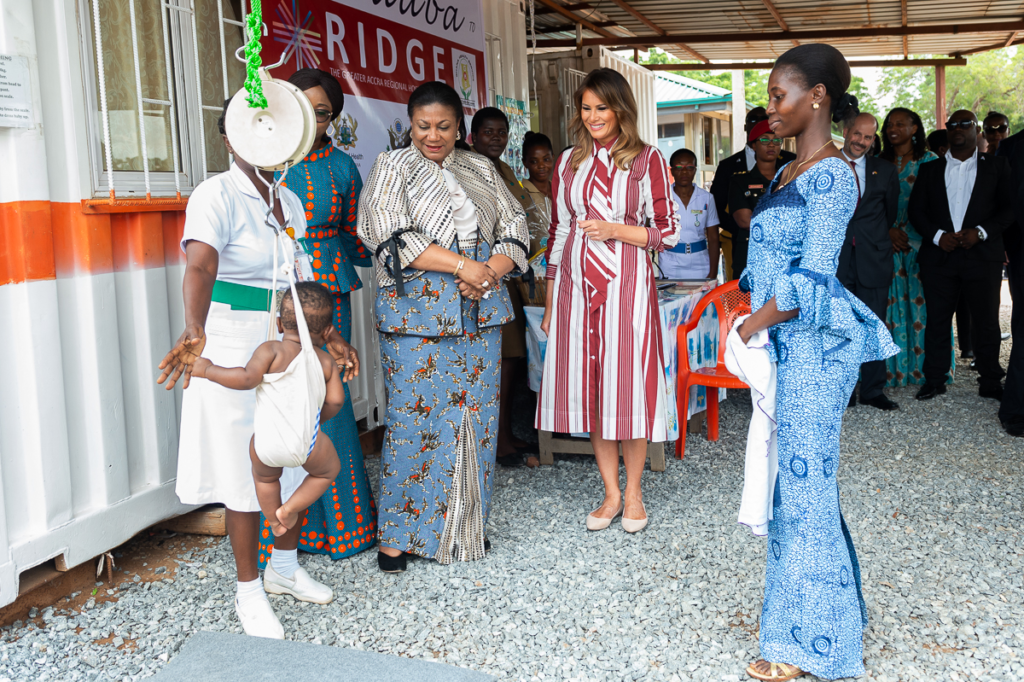
A defining chapter came during her solo trip to Africa, where she visited Ghana, Malawi, Kenya, and Egypt. While framed as diplomacy, the itinerary centered on children’s welfare, education, and healthcare — causes that aligned closely with her signature “Be Best” initiative.
In Malawi, she walked through local schools supported by aid programs, connecting directly with students and educators. In Ghana, she toured historic sites like a former slave fort, engaging thoughtfully with the past and its ties to the present. In Kenya, she highlighted conservation efforts while emphasizing community and youth-focused programs. These visits carried both symbolic weight and practical impact, even if they didn’t always generate front-page coverage.
What set Melania’s approach apart was its restraint. Rather than delivering long speeches or grand gestures, she often chose observation, personal conversations, and direct interactions. Some viewed this as reserved or distant; others saw it as intentional and authentic — a style distinctly her own in a world of louder public figures.
Her “Be Best” campaign, launched to champion children’s well-being, online safety, and awareness around opioid issues, extended its reach internationally through these efforts. While debates swirled about its overall influence, her on-the-ground presence in Africa served as tangible proof of a broader dedication to youth and vulnerable communities.
In a media landscape obsessed with visuals, her fashion choices frequently overshadowed these humanitarian moments, creating an uneven narrative. Yet for those willing to look deeper, the full picture emerges: image and action coexisting, sometimes in tension, but never entirely separate.
Was her low-key style a reflection of personality, or a deliberate choice in how to wield influence? In an age that rewards volume and spectacle, opting for subtlety can be both a challenge and a quiet strength — drawing less instant attention while potentially leaving a more enduring mark.
Melania Trump’s record as First Lady resists a single label. She was undeniably a global style icon. But she was also present in rooms and communities where empathy, awareness, and hands-on engagement mattered most — both at home and across continents.
The real question lingers: Was she merely the elegant figure the cameras loved? Or was there always a deeper layer of purpose, operating just outside the brightest spotlight?