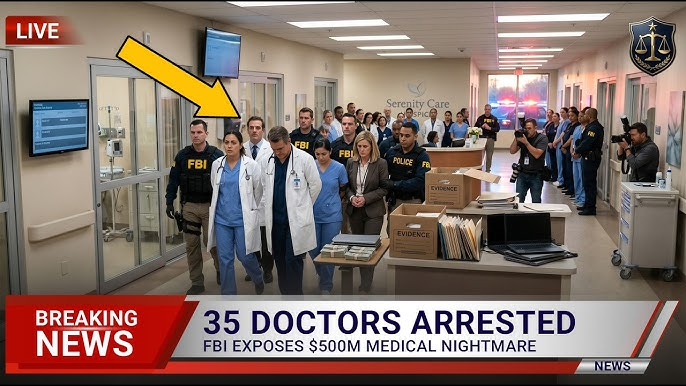
In a stunning pre-dawn operation across upscale Southern California neighborhoods, the FBI and federal agents swept in and dismantled what prosecutors are calling one of the largest healthcare fraud schemes in the state’s history.
On an otherwise quiet morning in Glendale, Anaheim, Tarzana, Covina, Simi Valley and beyond, tactical teams executed coordinated raids on luxury homes and medical offices. By sunrise, 35 doctors, nurses, a chiropractor, and a psychologist were in custody or facing charges in Operation Bitter Pill — an alleged cartel that turned compassionate hospice care for the dying into a ruthless $500 million profit machine.
Federal prosecutors say the network systematically exploited Medicare, Medicaid, and private insurers by falsely certifying non-terminal patients — including healthy seniors and those with manageable chronic conditions — as having only six months to live. Once enrolled, the operation allegedly billed for ghost patients, unnecessary medications, equipment, nursing visits, and counseling services that were never provided. The scheme spanned multiple hospice companies and generated hundreds of millions in fraudulent payments over several years.
The betrayal cuts deep. These were licensed medical professionals — people patients trusted during their most vulnerable final days — allegedly preying on the elderly for personal gain. Some defendants reportedly lived lavish lifestyles while real terminal patients may have been denied proper care due to diverted resources.
Key details from the indictments paint a disturbing picture:
- A husband-and-wife team (a psychologist and registered nurse) allegedly ran 626 Hospice in Glendale, certifying ineligible patients and raking in millions in false claims.
- A licensed vocational nurse in Anaheim operated Topanga Hospice Care as a front for fake billing.
- Another nurse in Tarzana used Comfort Choice Hospice to submit hundreds of fraudulent claims totaling over $3.4 million in payouts.
- A chiropractor and others allegedly signed off on knowingly false documentation.
Prosecutors, including First Assistant U.S. Attorney Bill Essayli and officials from the Centers for Medicare and Medicaid Services, announced the initial arrests at a press conference, emphasizing that this was no victimless crime. The fraud undermined the entire hospice benefit, potentially harming those who genuinely needed end-of-life comfort while lining the pockets of the accused.
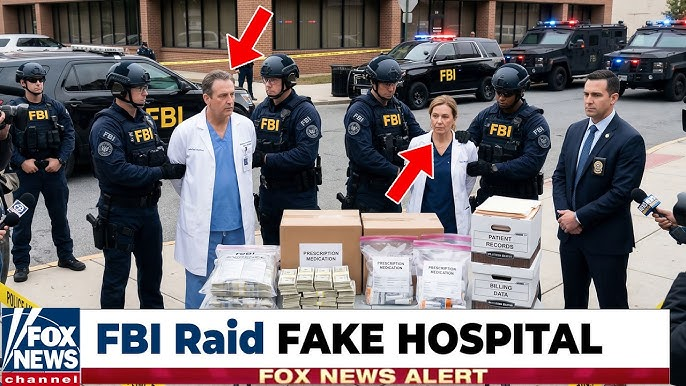
Patients and families described the emotional toll: elderly relatives wrongly labeled as terminal, causing severe anxiety and unnecessary life-altering decisions. Families later discovered fraudulent charges on statements, shattering trust in the white coats they once relied upon.
In the aftermath, medical licenses were suspended, assets frozen, and reputations ruined. Some defendants with prior fraud convictions allegedly continued operating while out on bond. Defense attorneys argue the cases involve paperwork errors or aggressive but legal billing practices, promising strong fights in court.
The raids have reignited national debate about oversight in Medicare and Medicaid, exposing how lighter regulation in hospice care — meant to prioritize comfort — created ripe conditions for abuse. Critics point to weak auditing and misaligned incentives in expansive government healthcare programs as root causes.
As the cases move forward in federal court, some defendants may cooperate, potentially uncovering even larger networks. Others face decades behind bars if convicted. The FBI’s swift action has dragged the alleged cartel into the light, but restoring faith in the system will require tougher audits, real accountability, and a clear priority on patients over profits.
This massive bust serves as a stark warning: when greed infiltrates healthcare, especially in the sacred space of end-of-life care, the human cost is devastating — and justice demands that those who betray that trust pay the full price.