Georgia Rugby Rocked by Massive Doping Scandal Involving Sample Swapping and Cover-Up Attempts
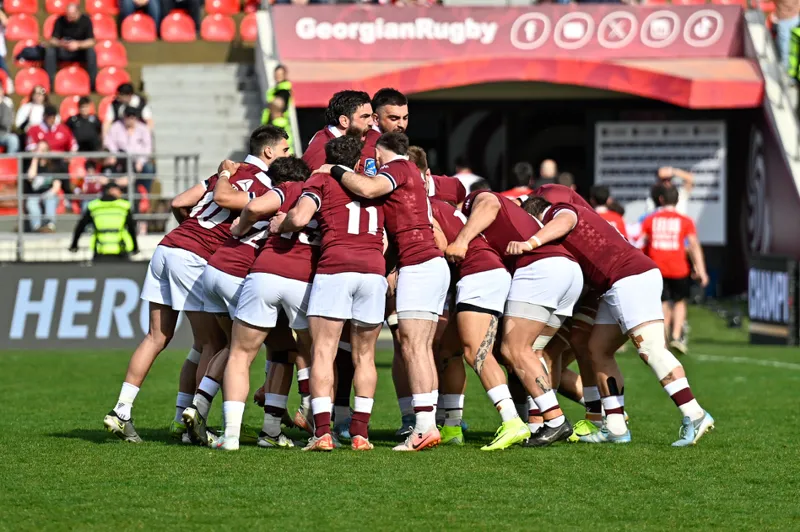
In a stunning blow to one of European rugby’s rising powers, six players from Georgia’s men’s national rugby union team and one team support official have been sanctioned for serious anti-doping rule violations. The case, uncovered through a joint investigation by the World Anti-Doping Agency (WADA) and World Rugby, has exposed an orchestrated scheme centered on recreational drug use, urine sample substitution, and improper advance warnings about upcoming tests.
The probe, codenamed “Operation Obsidian,” was launched in 2023 after irregularities surfaced in players’ urine samples via World Rugby’s athlete biological passport program. These issues spanned an extended period leading up to the men’s Rugby World Cup in France that year. Investigators identified at least five clear instances where players allegedly swapped urine samples in an attempt to evade detection of prohibited substances.
According to official statements, the violations formed part of a coordinated effort involving recreational drugs and deliberate tampering with testing protocols. A member of the team’s entourage reportedly received tip-offs from employees at Georgia’s national anti-doping agency (GADA), who then shared warnings through group chats. In some cases, doping control officers failed to properly observe athletes or witness the urine collection process—clear breaches of international standards. Documentation was even falsified in certain instances to justify skipping tests altogether.
WADA has publicly expressed a loss of confidence in the Georgian Anti-Doping Agency due to these systemic shortcomings, highlighting failures in supervision and compliance with the World Anti-Doping Code. The sanctions, confirmed on March 13, 2026, have sent shockwaves through the rugby community, especially given Georgia’s impressive recent progress. The team had climbed to a career-high 11th in the world rankings, enjoyed a lengthy unbeaten streak in the Rugby Europe Championship, and secured qualification for the 2027 Rugby World Cup.

The Georgian Rugby Union has acknowledged the findings, describing the scandal as a “serious blow” to the sport’s reputation in the country. In their response, officials noted that the individuals involved had not been part of the national team setup since the 2023/24 season and emphasized full cooperation with the investigation moving forward. However, the revelations have raised uncomfortable questions about oversight, culture, and integrity within the program during its period of rapid growth.
This case echoes broader concerns in international sports about sample manipulation and institutional lapses, drawing uncomfortable parallels to past high-profile scandals. While the immediate focus remains on the sanctioned players and official, rugby leaders are watching closely to see if the fallout extends further. For a nation that has built its rugby identity on resilience and passion, the episode serves as a stark reminder of the importance of clean competition and robust anti-doping safeguards.
The full details continue to unfold, but one thing is clear: Georgia rugby faces a challenging path to rebuild trust on the global stage.