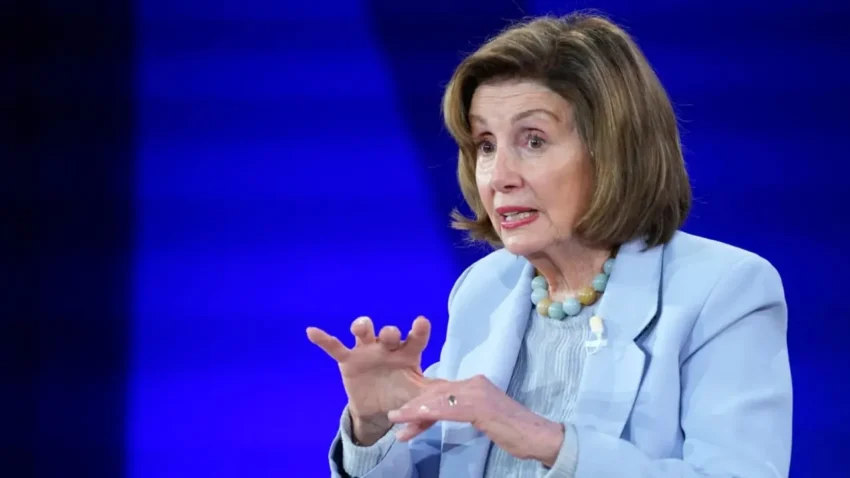
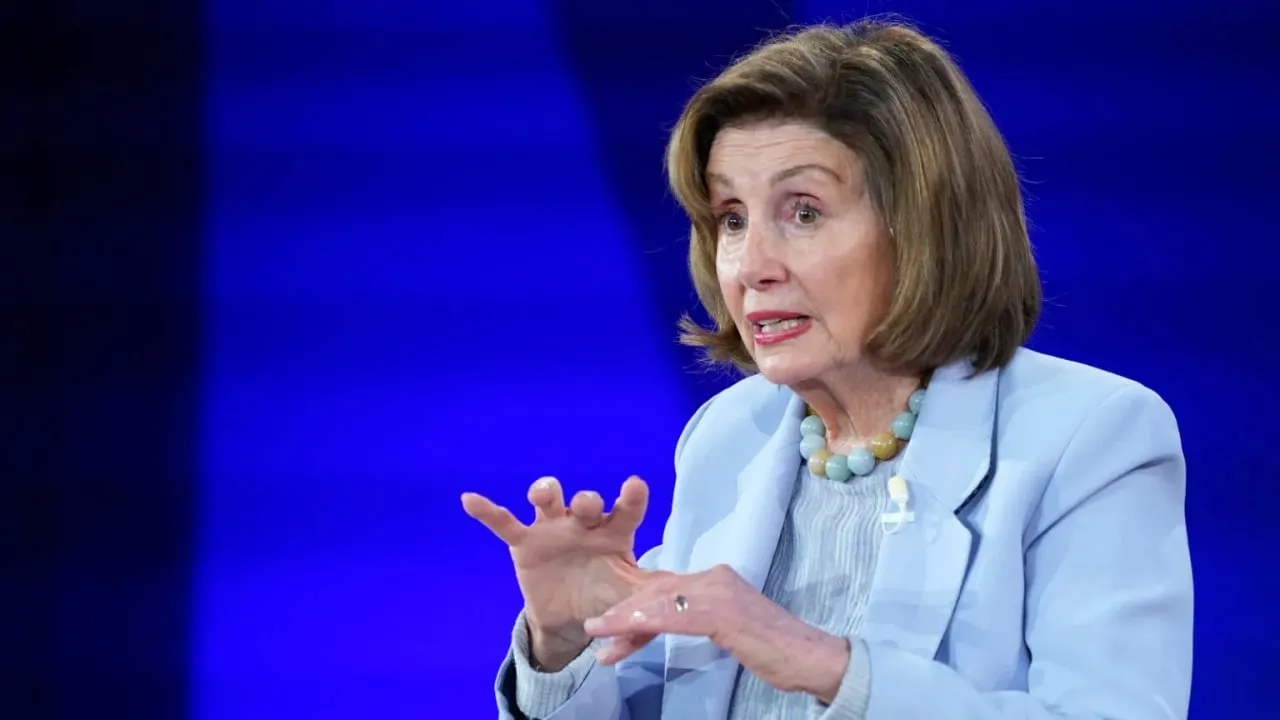
Democratic Representative Nancy Pelosi of California has seen her personal wealth surge by at least 2,292% during her 37-year tenure in Congress, a financial trajectory largely attributed to strategic stock trading. As the former House Speaker prepares for her retirement in 2027, recent financial disclosures have reignited intense debate regarding the ethics of lawmakers participating in the stock market. An analysis of her filings shows a minimum net worth of approximately $2.67 million when she first took office in 1987, climbing to nearly $64 million by 2024. However, external analyses, such as those by Quiver Quantitative, place her current net worth significantly higher, at roughly $278.76 million, with maximum estimates reaching up to $311.44 million.
The remarkable performance of her investment portfolio, which nearly doubled the growth of the S&P 500 in 2024, has led to several key developments and allegations:
Allegations of Insider Trading: Critics, including President Donald Trump, have suggested that Pelosi may have benefited from non-public information. Trump publicly stated that such trading is inappropriate and unfair to the American public, calling for investigations into her financial conduct.
Official Denial of Wrongdoing: Pelosi’s office has consistently denied any impropriety, asserting that the congresswoman does not personally manage or own stocks. Her husband, Paul Pelosi, is credited with handling the family’s investment decisions without her prior knowledge or involvement.
Legislative Shift Toward Reform: In a notable pivot, Pelosi voiced support in July for legislation aimed at banning stock trading for members of Congress, presidents, and vice presidents. She emphasized the need for transparency and accountability to ensure elected leaders serve the public interest rather than personal portfolios.
The controversy surrounding Pelosi’s wealth has served as a catalyst for bipartisan legislative efforts to restrict financial activities on Capitol Hill. Notable legislative actions include:
The Banning Insider Trading in Congress Act: Senator Josh Hawley (R-MO) introduced this bill to prohibit members of Congress and their spouses from holding or trading individual stocks. The act mandates that violators forfeit their profits to the American people, aiming to end what Hawley describes as “Washington profiteering.”
Bipartisan Cooperation: Senator Jon Ossoff (D-GA) has also sought Republican co-sponsors for ethics legislation that would bar lawmakers and their families from market participation during their terms. Proponents argue that it is time to stop turning a blind eye to how politicians often manage to outperform the market while regulating the very companies they invest in.
Current Status of Reform: The Senate Homeland Security and Governmental Affairs Committee advanced a reform bill on July 30, reflecting a growing consensus that structural changes are necessary to restore public confidence in the financial conduct of government officials.