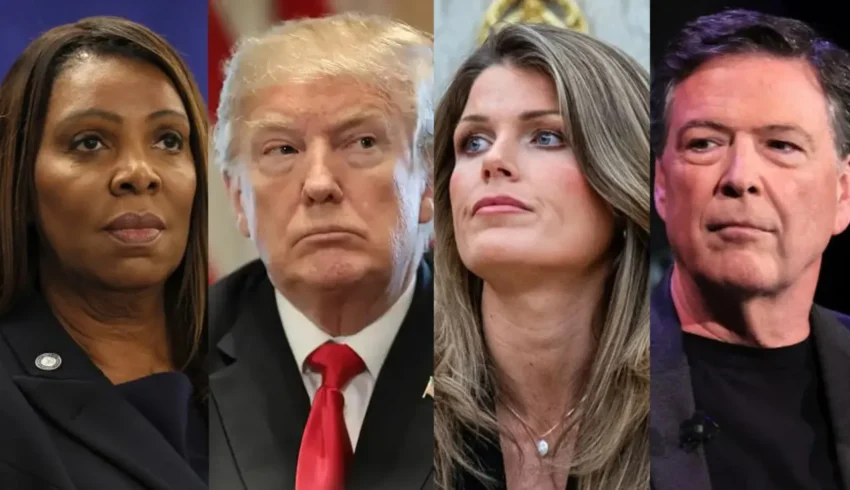
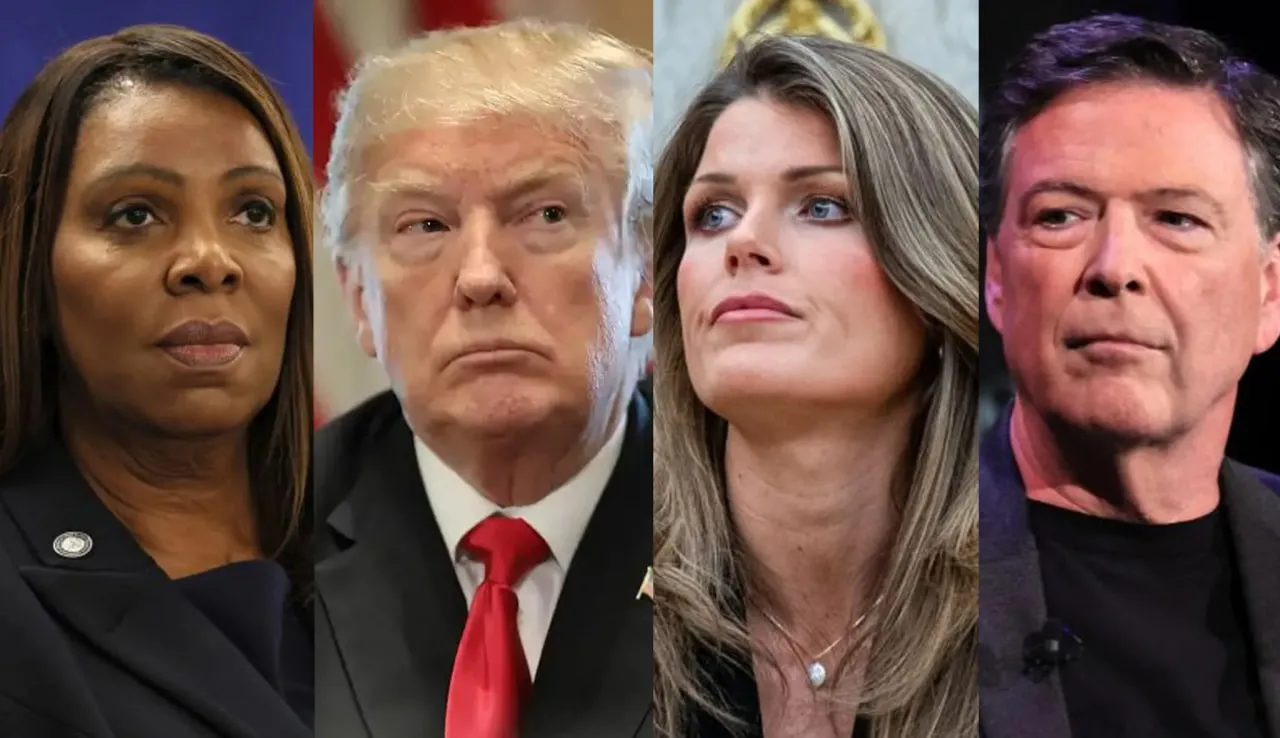
A federal judge has dismissed two criminal indictments against former FBI Director James Comey and New York Attorney General Letitia James. U.S. District Judge Cameron Currie ruled that the prosecutor leading the cases, Lindsey Halligan, was not lawfully appointed to her position, rendering the indictments invalid. This decision marks the fourth instance where a court has found a Trump-appointed U.S. attorney to be serving unlawfully.
The legal proceedings revealed significant procedural issues regarding the appointment of prosecutors. Key points from the ruling include:
Unlawful Appointment: The court found that Lindsey Halligan was not eligible to hold the post of interim U.S. attorney. As she was the sole prosecutor to present the charges to the grand juries, her lack of legal authority necessitated the dismissal of the cases.
Pressure and Resignation: The ruling followed reports that the previous top prosecutor, Erik Siebert, resigned after being pressured to indict Comey before the statute of limitations expired. Halligan was subsequently installed as an interim replacement.
Absence of Career Staff: Unlike other cases where career prosecutors assisted in securing charges, Halligan acted alone. The lack of support from non-partisan career staff within the Department of Justice was noted as a factor in the legal challenges.
The dismissal has sparked a broader debate over executive authority and the Senate confirmation process. Notable legal perspectives include:
Statutory Concerns: Defense attorneys, including Abbe Lowell, argued that allowing presidents to indefinitely shuffle interim prosecutors would undermine the constitutional requirement for Senate confirmation and bypass necessary checks and balances.
Status of the Cases: The judge dismissed the indictments “without prejudice,” meaning the Department of Justice theoretically retains the right to refile the charges using a properly appointed prosecutor.
Legal Precedent: This ruling emphasizes the role of the judiciary in maintaining the rule of law and ensuring that prosecutorial appointments strictly adhere to statutory requirements, regardless of the political nature of the cases.