At 37 weeks pregnant, I was told that my daughter, Blaire, needed to be delivered early. Her movements had slowed down, and there was concern about her wellbeing. Although the excitement of finally meeting her was overwhelming, deep down, I was filled with fear. Why wasn’t she moving? Was she okay? These questions swirled in my mind as I prepared for the birth, unsure of what was to come.
The birth process itself was a blur of emotions. Nurses rushed into the room, and I could hear the doctor counting Blaire’s slow heartbeat. I kept looking at my partner, asking what was happening, as though he could provide answers. We were both terrified, but thankfully, my midwife was exceptional—she kept us informed and reassured us as much as possible, keeping us grounded amidst the chaos.
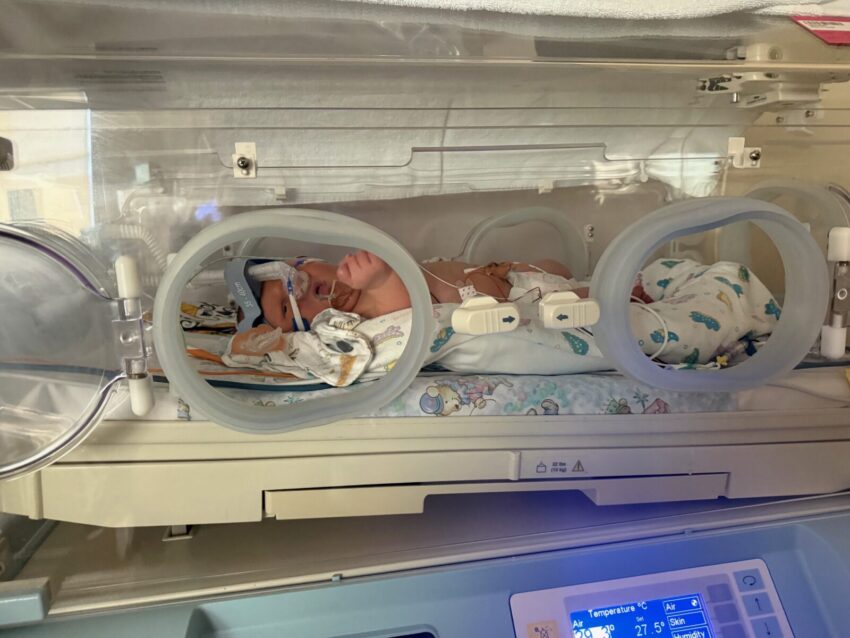
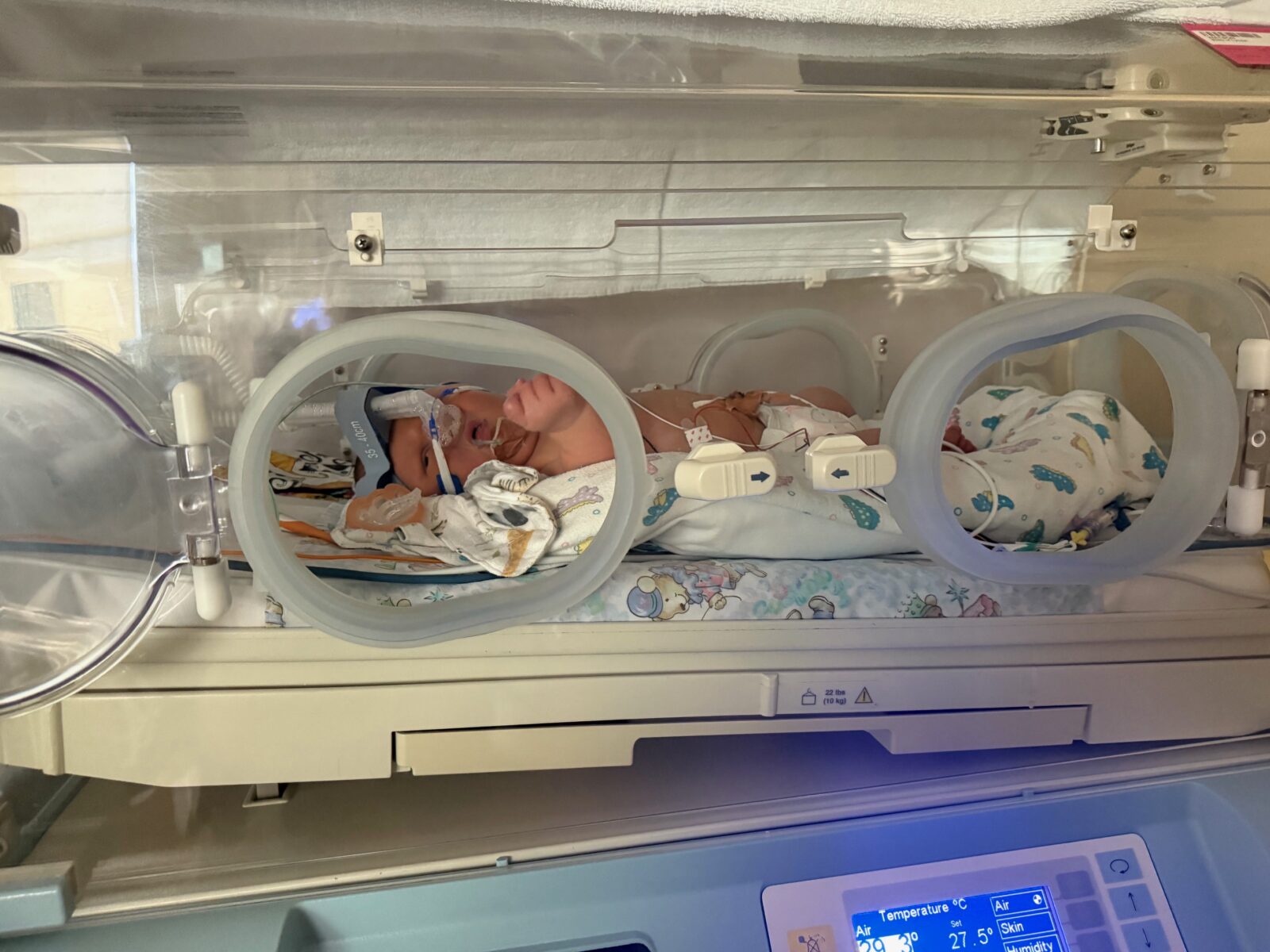
Blaire was born at 2 pm, but the silence that followed her birth was not what I expected. She didn’t cry. Instead, she was resuscitated and intubated to help her breathe. In the briefest moment, I saw her before she was taken to the NICU. I was left in recovery, clutching the photos my midwife had taken for me. Those images became my only connection to her as I waited, hoping that everything would be okay.
At first, I thought I was fine. I sent messages to friends and family announcing Blaire’s birth, but I now realize I was in denial. I thought she would be out of the NICU in 24 hours. It wasn’t until 9 pm that evening, when I was finally able to visit her, that the reality of the situation hit me. Being wheeled into the NICU corridor for the first time was intimidating. The sterile smell of disinfectant and the constant beeping of machines overwhelmed me. Even now, hearing those sounds brings a rush of anxiety.
Blaire looked so different from what I had imagined. Her body was swollen and full of fluid, making her almost unrecognizable to me. All I wanted to do was take her in my arms and keep her safe, away from all the machines and wires. The next day, I learned that there were different rooms in the NICU, and moving up a room meant you were getting closer to going home. Blaire started in Room 1, which meant we weren’t leaving anytime soon.
Blaire also had jaundice and needed breathing support. Five days later, she had gained enough strength to move to Room 4, and I felt hopeful that we were on the right track. But just a few days later, Blaire took a step backward and needed high-flow oxygen again. She was moved back to Room 3, and those ups and downs were emotionally draining. Room 3 would become the place where most of my NICU memories would be made.
In that room, I had heartfelt talks with the nurses who treated Blaire as if she were their own. It was there that Blaire first showed an interest in me, her father, and her brothers. Her first bath, even though she was still on high-flow oxygen, was a difficult but memorable moment. I also experienced the joy of her first breastfeed—after what felt like forever pumping milk, it was a milestone I had been waiting for with anticipation.
Every night, I would leave the NICU around 8 pm to walk back to Ronald McDonald House, a short distance from the hospital. Sometimes my partner, Ants, would be with me, but other times he had to return home, four hours away. Those walks back without Blaire in my arms were the hardest moments. The ache of leaving the hospital without my baby was indescribable.
During my time in the NICU, I often found myself whispering to Blaire as I watched her monitors. “Come on girl, stop being so dramatic, your brothers want you home!” I also met other NICU mothers, and I often wonder how they are doing now.
There were moments of guilt, especially when visiting hours closed, and my boys couldn’t even see their sister after traveling to the hospital. The tug-of-war between staying with Blaire and being with my boys was a struggle I couldn’t resolve.
Eventually, we moved to Room 5—the “home stretch” room—and then finally to the precious “Mummy-and-Me” room. After a month in the hospital, I finally got to sleep beside my daughter. It didn’t matter how many times I woke up to check on her; being next to her was all that mattered.
Taking Blaire home was a bittersweet moment. Walking her back to Ronald McDonald House in the pram, I could hardly believe that we were finally leaving the hospital. We stayed there for two nights before heading home, and I hardly slept—too excited to be with Blaire, away from the monitors and nurses. Leaving the hospital without medical staff nearby was daunting, but it was the moment we had been waiting for.
Blaire’s journey wasn’t just shaped by her NICU stay; she was diagnosed with Noonan syndrome (RIT1 gene), a condition that can affect her heart and development. Knowing this makes me even more grateful for the strength she showed in those early days and the incredible care she received. The NICU team was extraordinary, and I’ll never forget the kindness, calmness, and expertise of the nurses who made all the difference in Blaire’s journey.
Our month in NICU taught me so much about strength and how to celebrate even the smallest milestones. To every parent sitting beside an incubator right now: You are stronger than you know, and your baby is doing their best. There will be a day when you finally get to walk out those doors together, just as we did.