On May 26, 2009, a baby boy named Drayke Andrew Hardman was born to his loving parents, Samie and Andrew Hardman. From the very beginning, his family says, he carried a light that was impossible to ignore. His laughter filled rooms. His bright blue eyes sparkled with curiosity. His smile had a way of making others feel seen and included.
Drayke loved sports. He loved being outdoors. More than anything, he loved people. He wanted to belong. He wanted to make friends. He wanted everyone to like him.
That desire to be accepted would shape his short life in ways no one could have imagined.
A Gentle Spirit in a Harsh World
Family members describe Drayke as empathetic beyond his years. If someone sat alone at lunch, he noticed. If a classmate struggled, he offered encouragement. He believed deeply that kindness could change people.
But not everyone responded with the same warmth.
As he entered middle school, Drayke began facing persistent bullying. According to his parents, one particular student repeatedly targeted him—mocking small mistakes, criticizing his mannerisms, and humiliating him in front of peers.
What made the situation especially heartbreaking was Drayke’s response.
Instead of retaliating, he tried to befriend the very person who tormented him. He believed that if he could show kindness, the cruelty would stop. He wanted peace, not conflict.
But the bullying continued.
A Pattern of Harassment
School officials were aware of incidents involving the other student. The alleged bully had previously faced disciplinary action, including suspension. Drayke’s parents worked with administrators to address the situation, hoping intervention would bring relief.
They reassured their son. They encouraged him to speak up. They tried to protect him in every way they knew how.
Outwardly, Drayke remained resilient. He continued going to school. He continued smiling in family photos. He continued playing sports.
But emotional wounds often hide beneath brave faces.
The psychological toll of repeated humiliation, isolation, and fear began to weigh heavily on him.
A Cry for Help
On Monday, just days before the tragedy, Drayke came home with a black eye.
He confided in his older sister, sharing what had happened. It was a moment of vulnerability—a quiet admission of pain he had been carrying.
For a 12-year-old boy who wanted nothing more than to be accepted, that visible injury represented more than a physical blow. It symbolized the humiliation he felt, the isolation he endured.
His family believed they were addressing the issue. They believed support systems were in place.
But sometimes, the internal damage runs deeper than anyone realizes.
February 9, 2022: The Unthinkable
Two days later, on February 9, 2022, tragedy struck.
Drayke’s older sister made a horrifying discovery. She found him in his bedroom, hanging from his bunk bed, wearing his favorite hoodie.
Panic filled the home.
His father immediately began CPR, desperately trying to revive his son. Paramedics arrived and took over, working for approximately fifteen agonizing minutes.
Finally, Drayke’s heart began to beat again.
But oxygen deprivation had already caused severe brain damage.
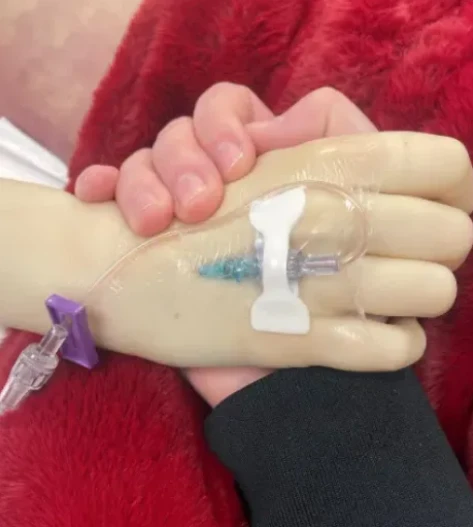
He was transported to the hospital, where doctors worked to stabilize him. Machines breathed for him. Monitors tracked fragile signs of life. His family gathered around him, praying for a miracle.
On February 10, 2022, at just 12 years old, Drayke Andrew Hardman passed away.
A Family Devastated — and Determined
The loss shattered his family.
Parents are never meant to bury their children. The void left behind is immeasurable. Birthdays, holidays, everyday routines—all now marked by absence.
Yet in the midst of unimaginable grief, Drayke’s family made a decision.
They would speak out.
They would ensure his story was heard.
They began sharing openly about the bullying he endured and the warning signs that can sometimes go unnoticed. They emphasized that bullying is not a harmless rite of passage. It is not “just kids being kids.” It can be relentless. It can be isolating. It can be deadly.
They have since used their voices to advocate for stronger anti-bullying policies, greater parental awareness, and mental health support for children.
The Hidden Weight of Bullying
Drayke’s story underscores a painful truth: emotional pain is often invisible.
Children may smile at school and collapse in tears at home. They may downplay incidents to avoid causing trouble. They may try to handle it alone out of shame or fear.
Bullying is not always loud. Sometimes it’s subtle—exclusion, whispers, social media messages, repeated teasing that chips away at self-worth.
Over time, that erosion can feel unbearable.
Experts emphasize that warning signs of emotional distress may include withdrawal, changes in sleep or appetite, declining academic performance, unexplained injuries, or expressions of hopelessness.
Drayke’s black eye was visible.
The deeper wounds were not.
A Legacy of Kindness
Those who knew Drayke refuse to let his life be defined solely by tragedy.
They remember his humor. His loyalty. His gentle heart. His eagerness to include others.
He was more than a victim.
He was a boy who believed in friendship—even when it was not returned. He believed in kindness—even when faced with cruelty.
His family now urges parents, educators, and students to act.
Intervene when bullying occurs.
Teach empathy early.
Encourage children to speak up.
Listen when they do.
They stress that prevention requires vigilance from entire communities—not just individual families.
A Call to Action
Drayke Andrew Hardman’s life was brief, but its impact continues to ripple outward.
His story serves as a stark reminder that every child deserves safety. Every child deserves to feel valued. Every child deserves to be heard.
Bullying is not small. It is not harmless. It is not something to ignore.
Each act of compassion matters. Each conversation about mental health matters. Each adult who steps in can make a difference.
Drayke’s parents ask that his memory inspire change—not only through grief, but through action.
Teach your children empathy.
Encourage them to stand up for others.
Create spaces where no child feels alone.
Today, Drayke is remembered as the bright, kind-hearted boy who loved deeply and gave freely. His light, though extinguished too soon, continues to guide others toward awareness and accountability.
Please be kind. Stand up for others. Teach your kids. Honor Drayke by helping build a world where no child feels unseen, unheard, or unworthy of love.
If you or someone you know is struggling with thoughts of self-harm, please seek immediate help from a trusted adult, mental health professional, or local crisis service in your area. You are not alone, and support is available.