What should have been a routine takeoff from Denver International Airport exploded into one of the most disturbing scenes in recent aviation history. Passengers on Frontier Flight 4345 had just buckled up, expecting a smooth ride, when a thunderous crash rocked the plane. Seconds later, the cockpit radio crackled with panic: “Tower, Frontier 4345, we’re stopping… we just hit somebody… engine fire!”
The nightmare was real. A 41-year-old man named Michael Mott had somehow slipped past security, sprinted onto the active runway, and deliberately thrown himself into the spinning engine of the accelerating jet. What followed was pure chaos that left veteran first responders stunned and passengers scarred for life.
Investigators pieced together a terrifying timeline. Just after 11 p.m., Mott scaled an eight-foot fence topped with barbed wire. Motion sensors blared instantly, but airport crews initially thought it was deer roaming near the perimeter. By the time they realized a human was loose, it was too late. In roughly 15 seconds he cleared the fence. Two minutes later he was dead, sucked into the massive engine blades as the Airbus barreled down the runway.
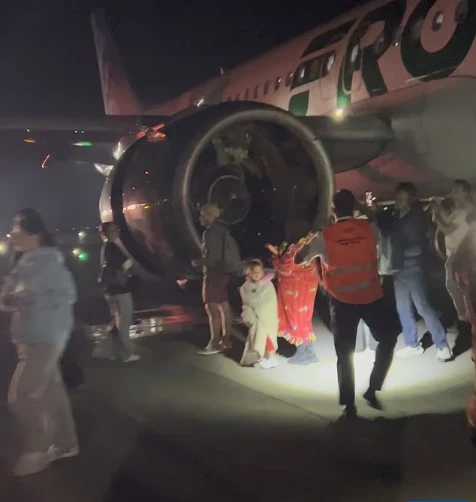
The impact was devastating. The engine ingested Mott, triggering an immediate fire and forcing pilots to slam on the brakes. Inside the cabin, all hell broke loose. Passengers heard the sickening bang, then watched smoke pour through the vents. Some screamed they were crashing. Others pressed their faces to the windows and saw emergency lights flashing everywhere. One horrified traveler later described seeing what looked like human limbs still spinning inside the mangled engine — a detail that spread like wildfire across social media and left everyone reeling.
Air traffic control recordings captured the raw confusion. “I do have limbs on the runway,” a controller said. “Aircraft has struck an individual.” Emergency teams raced to the scene while flight crew deployed emergency slides. All 224 passengers slid down onto the tarmac in the middle of the night. Twelve people suffered minor injuries in the frantic evacuation; five more needed hospital treatment. But for most, the physical pain was nothing compared to the mental trauma of witnessing a man’s gruesome end at 150 miles per hour.
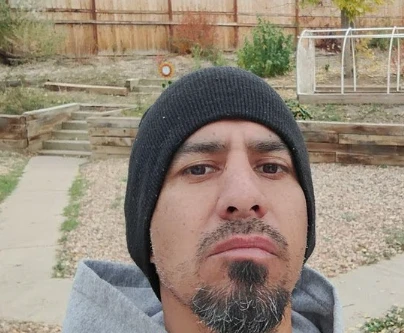
Police Chief Ron Thomas called it “incredibly difficult” for every soul involved — passengers, crew, responders, and controllers who had to handle the aftermath. The Denver City and County Medical Examiner confirmed Mott died from multiple blunt and sharp force injuries caused by the engine. A fire erupted right after impact, adding to the destruction. Fingerprint analysis finally identified the victim despite the horrific damage.
As word spread, people demanded answers: Who was Michael Mott, and why did he do this? Court records revealed a long rap sheet going back nearly 20 years — trespassing, resisting arrest, criminal mischief, and assault allegations. Just weeks earlier, he had been busted in Colorado Springs on felony trespassing and resisting charges. Earlier in 2025, Denver police had arrested him in an assault case that was later dropped. Authorities are still digging into possible mental health struggles, substance issues, or personal crises, hunting for any suicide note, phone, or computer that might explain his final, fatal decision.
So far, investigators say it was clearly intentional with no signs of terrorism or outside help. But massive questions hang over the entire episode. How did one man breach security at one of America’s busiest airports and reach a live runway so fast? Could response teams have moved quicker? What desperate thoughts drove Mott to climb that fence and walk straight into a roaring jet engine?
Airport CEO Phil Washington defended the timeline, noting the runway was nearly two miles from the terminal. Once Mott crossed into the restricted zone, stopping him became almost impossible. Still, the breach has sparked intense scrutiny of perimeter security, motion detection, and rapid response protocols. The FAA and NTSB have launched full investigations alongside local authorities.
For the passengers trapped on that plane, the ordeal felt endless. They sat on the darkened runway surrounded by flashing lights, smoke, and the grim reality of what just happened. Many described shaking uncontrollably, some comforting strangers, others staring blankly as crews worked around the damaged engine. One passenger told reporters the image of those legs in the engine would haunt them forever.

The tragedy has rattled the entire aviation community. While suicides at airports are rare, this one stands out for its shocking public nature and the sheer number of witnesses forced to experience it. Families waiting at destination airports received the shocking news that their loved ones’ flight had turned into a crime scene. Some passengers have already spoken about struggling with nightmares and anxiety in the days since.
Michael Mott’s final act didn’t just end his life — it shattered the sense of safety for hundreds of strangers who simply wanted to get from Point A to Point B. As crews towed the crippled aircraft away and investigators combed every inch of the scene, one chilling truth remained: in less than two minutes, a single desperate man turned an ordinary departure into a blood-soaked spectacle that no one on board will ever forget.
Denver International Airport says it is reviewing every layer of security to prevent anything like this from happening again. But for now, the focus stays on the human cost. Two hundred twenty-four passengers boarded a plane expecting snacks and a nap. Instead, they got front-row seats to horror — the deafening bang, the smoke, the emergency slides, and the haunting knowledge that a man had just chosen the most violent exit possible right in front of them.
This case is far from closed. Detectives continue searching Mott’s recent movements, contacts, and digital footprint for any clue that might bring closure. Until then, the disturbing images from that runway continue to fuel nationwide shock and debate about airport vulnerabilities and the hidden struggles that can push someone to such an extreme.
The passengers of Frontier Flight 4345 eventually made it to their destinations, but many say a piece of that night will travel with them forever. What began as a simple flight became a nightmare etched in memory — a brutal reminder that sometimes the scariest threats don’t come from mechanical failure or bad weather, but from a single troubled soul determined to make his final moments unforgettable.