In a chilling true story that splits America right down the middle, Jason Vukovich went from a terrified, abused little boy in Alaska to a hammer-wielding vigilante known as the “Alaskan Avenger.” Years after suffering horrific physical and sexual abuse as a child, he tracked registered sex offenders through the streets of Anchorage, broke into their homes, and unleashed brutal attacks that left victims bloodied and the whole state stunned. What started as hidden childhood trauma exploded into violent confrontations that still spark furious debates today: hero or dangerous criminal?
Jason Vukovich’s early life was pure nightmare fuel. He claimed his stepfather repeatedly beat and molested him, leaving deep scars that never healed. Abandoned and unprotected, the boy grew up carrying massive rage toward his abuser and a system he felt failed kids like him time after time. Friends later described him as a quiet man with a storm brewing underneath, trying to move forward but never escaping the pain.
By 2016, that buried anger turned deadly. Living in Anchorage, Vukovich started scanning Alaska’s sex offender registry online. He zeroed in on men with prior convictions for abusing children, tracked their addresses, and showed up armed with a hammer. These weren’t quick warnings. Prosecutors said the attacks were calculated, terrifying home invasions that left victims badly hurt.
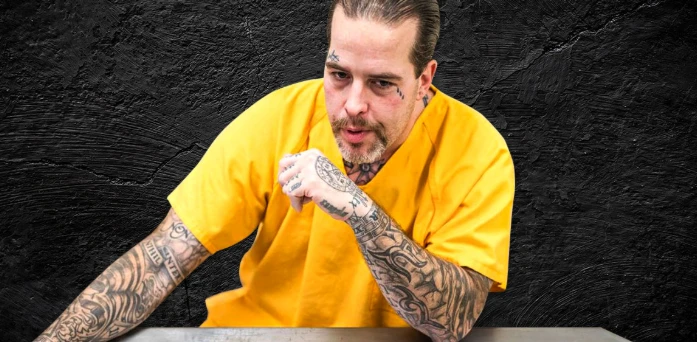
The first strike hit in June 2016. Vukovich allegedly forced his way into a registered offender’s home, assaulted the man, threatened him, and stole cash and belongings. Things got even uglier fast. In another case, he beat a victim so savagely with the hammer that the man suffered major head trauma. Reports described Vukovich tying up targets, demanding money, and pounding them repeatedly while they begged for mercy. Police called the assaults extremely violent and premeditated.
News of the attacks spread like wildfire. People online dubbed him the “Alaskan Avenger,” turning him into an instant antihero for some. Supporters flooded social media, cheering a man who survived hell as a kid and now made predators pay. They saw him as the justice system’s missing muscle — someone finally doing what courts supposedly failed to do. One quote from Vukovich went mega-viral and hit abuse survivors hard: “When I was a little kid… if some tatted-up guy would have kicked the door in and beat up the guy that was molesting me, I would have said, ‘Yeah! Woo!… Thank God.’ Because nobody cared.”
But authorities painted a much darker picture. They stressed that no matter how disturbing the targets’ past crimes were, Vukovich had become a vigilante breaking the law in the worst way. Victims ended up with permanent injuries. Some could have died. Prosecutors warned that celebrating this kind of street justice could spark even more chaos and copycat attacks.
The rampage ended the same month it started. Police caught Vukovich near another registered offender’s home after suspicious activity reports. Officers found him with a hammer, disguise items, and evidence linking him to the earlier beatings. Once arrested, he openly admitted targeting convicted child abusers. The “Alaskan Avenger” nickname exploded even bigger.
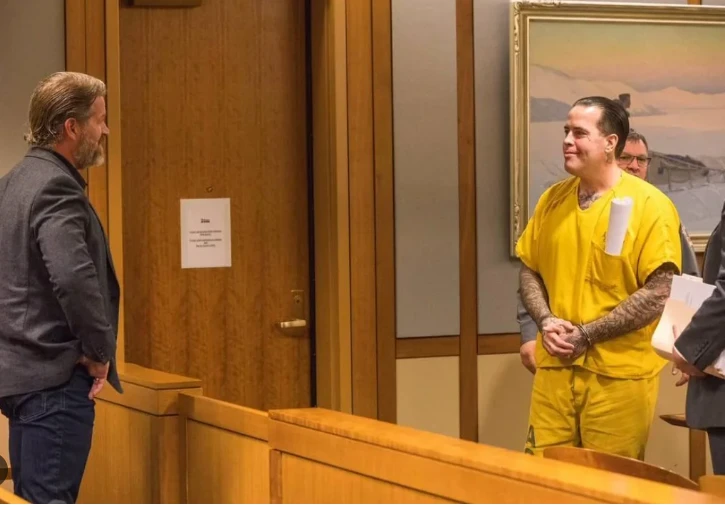
Courtroom drama turned intense. Defense lawyers hammered on Jason’s brutal childhood — years of sexual abuse, violence, abandonment, and instability that left lasting psychological damage. Supporters packed hearings, some crying as they called him a protector of children. Online petitions begged for mercy, arguing society had failed him long before he picked up that hammer.
Prosecutors pushed back hard. They called the attacks planned home invasions with deadly weapons. They said trauma might explain the rage but could never excuse it. Letting private citizens hunt people down would destroy any sense of real justice. The moral mess hit everyone: Can a victim become a violent offender? Does childhood horror justify revenge? Where does the line sit between understandable anger and straight-up crime?
In 2018, Vukovich took a plea deal on multiple charges including assault, robbery, and weapons offenses. The judge handed down 28 years in prison, with some time suspended. Sentencing day was emotional chaos. Supporters wept, calling him a hero born from pain. Critics insisted the law must stand firm — no one gets to play judge, jury, and executioner with a hammer.
Even years later, the case still divides people like few others. To critics, Jason Vukovich is a dangerous man who nearly killed people and terrorized his targets. To fans, he’s a deeply wounded survivor who snapped after watching predators walk free. The “Alaskan Avenger” tag refuses to die because it forces the toughest questions with no clean answers.
Behind the headlines sits a boy who once prayed for someone — anyone — to kick in the door and stop his own nightmare. That same boy grew into a man who did exactly that for other kids, but in the most violent way possible. The attacks left real victims terrified in their own homes, even if those homes belonged to men with ugly criminal pasts.
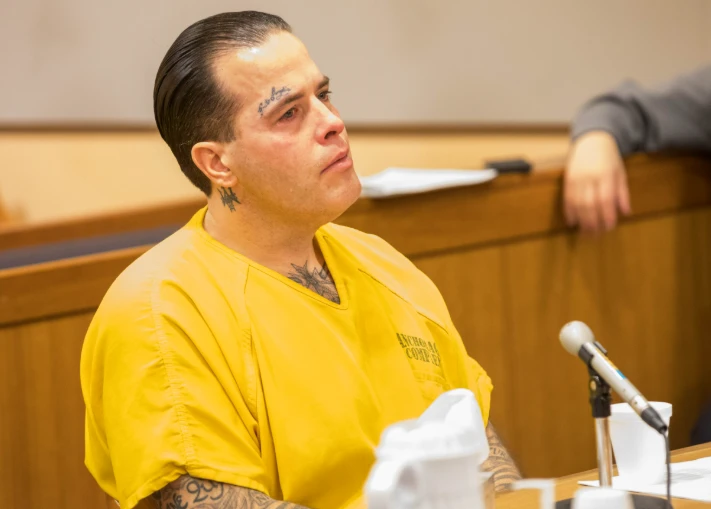
Today Jason Vukovich sits behind bars in Alaska, serving his long sentence. The hammer attacks stopped, but the conversation they started rages on. Was he a broken man consumed by his past, or someone who finally stood up when no one else would? Did the system fail him twice — first as a helpless child, then by pushing him toward vigilante fury?
This story rips open raw truths about childhood trauma, unchecked anger, and the thin line between victim and villain. It leaves people wondering how many silent kids out there carry the same rage, waiting for their own breaking point. Jason Vukovich’s journey from abused boy to hammer-wielding avenger remains one of the most explosive and uncomfortable crime tales in recent memory — a brutal reminder that some scars never fade, and sometimes they explode outward with shocking force.