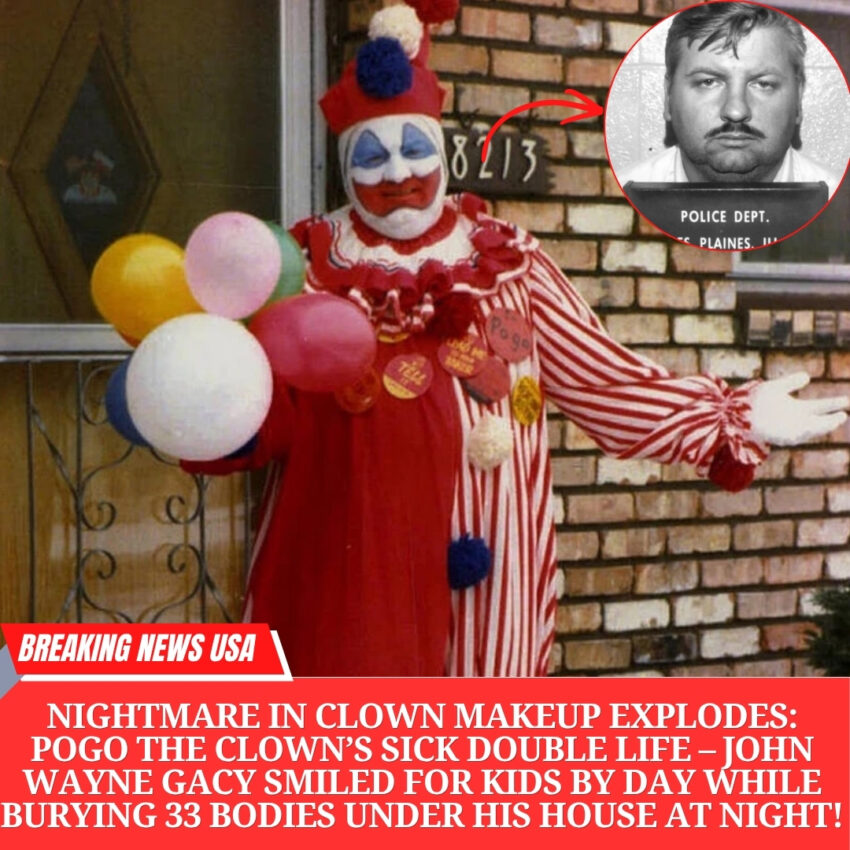
Pogo The Clown: The Terrifying Double Life Of Serial Killer John Wayne Gacy
In one of the most stomach-churning cases of hidden evil America has ever seen, John Wayne Gacy lived a jaw-dropping double life that still sends chills down spines decades later. By day, he was everyone’s favorite neighborhood guy – successful contractor, proud community leader, and the hilarious Pogo the Clown who painted on a giant red smile to entertain sick kids in hospitals and rowdy birthday parties across Chicago. Parents clapped, children laughed, and neighbors waved hello. But when the lights went out, this same man transformed into a cold-blooded monster who lured young boys and men into his suburban nightmare, tortured them, and hid their bodies in the crawl space right beneath the floorboards where families once gathered. The shocking contrast between the giggling clown and the ruthless killer has made this story a true crime legend that refuses to die.
Born on March 17, 1942, in Chicago, Gacy’s early years were packed with brutal drama and crushing pain that seemed to twist him from the inside out. His father constantly tore him down, calling him weak and useless while dishing out belt whippings that left lasting scars. Growing up feeling worthless and desperate for any scrap of approval, young Gacy battled a heart condition that kept him sidelined and overweight. As a teen, he also wrestled with his sexual identity in a time when society crushed anything outside the norm. These wounds never healed – they festered, turning into something far more dangerous as he grew older.
Gacy tried hard to paint the picture of the perfect American family man. He married Marlynn Myers, moved to Waterloo, Iowa, and ran Kentucky Fried Chicken spots for his father-in-law. Two kids arrived, and on the surface everything looked like a dream. But cracks quickly turned into explosions. He dove deep into the local Jaycees scene, where heavy drinking and wild parties hid darker secrets. Gacy started forcing young employees into horrifying sexual situations. In 1968, he got busted for assaulting a teenage boy and landed in prison. Behind bars, instead of changing, he started sketching creepy clown figures – the first hints of Pogo the Clown that would later haunt the nation.
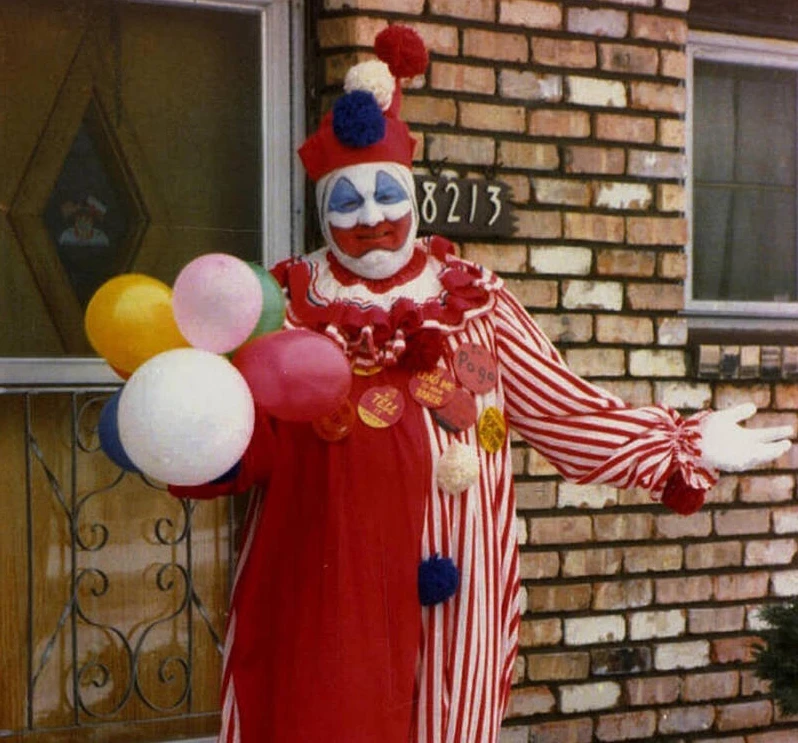
Released after just two years for “good behavior,” Gacy returned to the Chicago area and cranked up his respectable image. He built a thriving construction business, bought a house in Norwood Park, and became the guy everyone trusted for jobs and help. Right in the middle of this fake-perfect life, he created his clown alter egos. Joining the Jolly Joker club in 1975, Gacy mastered the makeup and costume game. Pogo was the happy, silly clown; Patches was the serious one. He performed at parades, charity gigs, hospitals, and kids’ parties, often claiming the costume let him escape back to a carefree childhood. Psychologists later called it a twisted mask – one that let him look completely harmless while hiding monstrous urges.
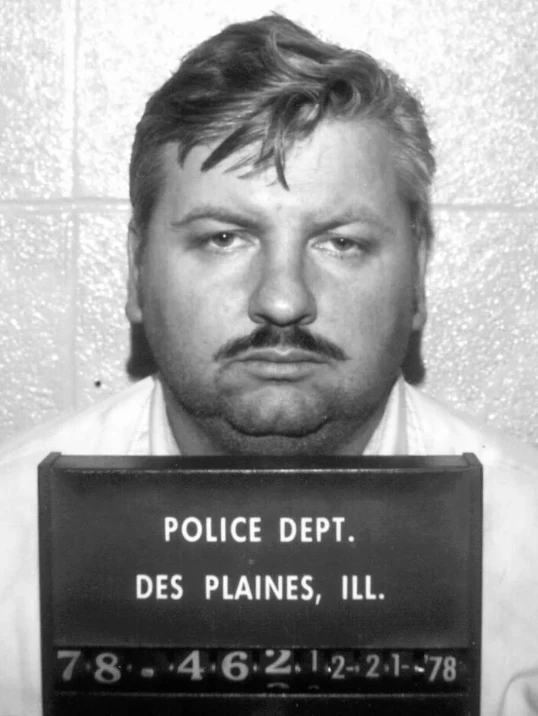
What makes this case so explosively disturbing is how long Gacy kept the nightmare going between 1972 and 1978. He murdered at least 33 young men and boys – many of them teens he knew from work or the streets. He lured them with job offers, cash, booze, or a place to crash. Once inside his house, the horror began: handcuff “magic tricks” that trapped them, followed by savage attacks, sexual torture, and murder. Bodies piled up in the crawl space under the home, sometimes right while Gacy hosted parties upstairs. He even joined searches for missing boys he had already killed, playing the concerned citizen like a pro. Neighbors had no clue they were living next to a slaughterhouse.
The clown connection added pure terror fuel. Rumors flew that Gacy sometimes hunted while dressed as Pogo, though cops never proved it. Still, the image of a smiling clown with blood on his hands became the ultimate symbol of betrayal. Parents who once trusted him with their children now shuddered at old photos. Gacy showed classic signs of antisocial personality disorder – zero empathy, nonstop manipulation, and a giant ego that let him brag after arrest about being “judge, jury, and executioner.” He even claimed multiple personalities, but experts saw it as another con.
The whole twisted empire came crashing down in December 1978 when 15-year-old Robert Piest vanished after talking to Gacy about a job. His family’s desperate search led cops straight to the contractor’s door. A search warrant uncovered that unforgettable stench from under the house. Officers pulled out 26 bodies from the crawl space, three more on the property, and others from the Des Plaines River. The nation sat in stunned silence as the death toll climbed to 33. Gacy confessed in chilling detail, showing zero real remorse. The trial became a media circus, with the clown photos splashed everywhere, turning Pogo from fun to pure nightmare fuel.
Sentenced to death, Gacy was executed by lethal injection on May 10, 1994. But his story never ended. The Pogo the Clown mask still stands as one of true crime’s most terrifying warnings: evil doesn’t always look scary. Sometimes it wears oversized shoes, a red nose, and a painted smile while waving at your kids. The suburban house of horrors, the trusted community guy, and the hidden graveyard beneath the floorboards created a perfect storm of shock that still sparks heated debates, documentaries, and sleepless nights for those who dive deep. Families of victims continue to fight for justice and remembrance, while psychologists study the case for clues about how monsters hide in plain sight. Gacy’s double life remains a brutal reminder that the friendliest face in the room can hide the darkest secrets.