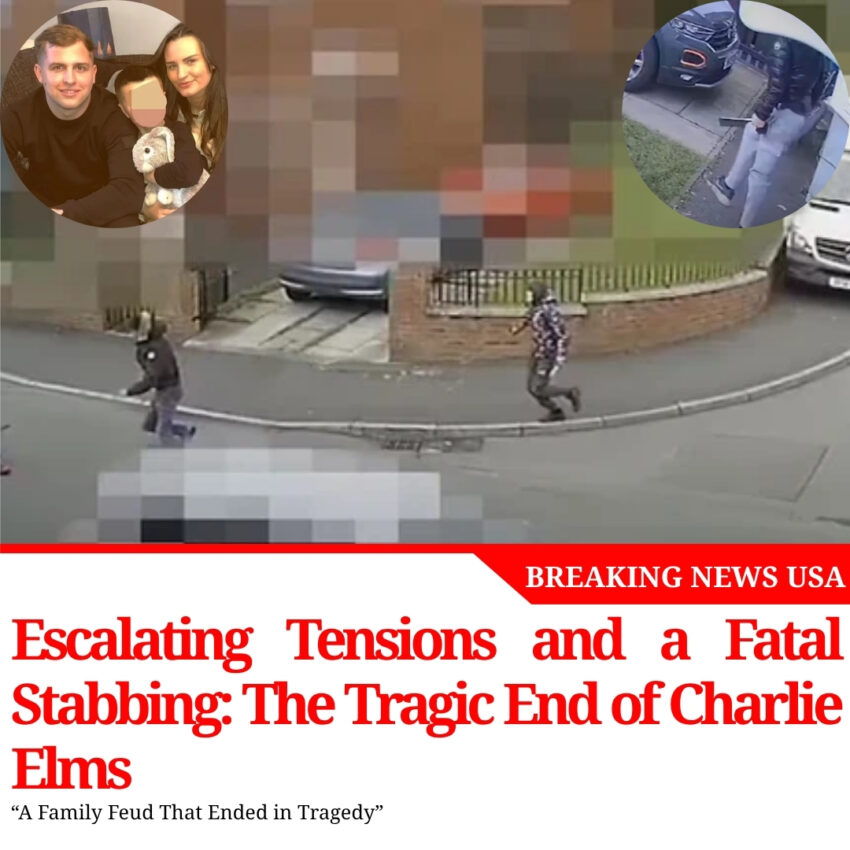
On the evening of May 26, 2021, a long-simmering dispute between two families in Oldham, Greater Manchester, reached a heartbreaking conclusion. What began as a minor disagreement weeks earlier had grown into a cycle of retaliation, threats, and violence. That day, it claimed the life of 25-year-old Charlie Elms.

In the lead-up to the incident, tensions had been building steadily. Damaged property, smashed windows, and exchanged threats created a pattern that fed on itself. Opportunities for calm conversation or distance were missed, allowing the conflict to spiral.
On the day of the confrontation, Elms and several companions arrived outside a house connected to the other family. They caused damage to the front door and windows. The response from inside was swift and severe. Among those who came out was 17-year-old Karl Marler, part of a group carrying knives and other weapons.
The situation quickly moved into the street. Elms and his companions tried to get away. CCTV footage later captured the critical moments—showing Elms attempting to escape, turning from the danger. But the pursuit continued.
Marler followed. Elms lost his footing and fell on the road. In that vulnerable instant, Marler caught up and inflicted a fatal stab wound with a large kitchen knife. Despite efforts to help at the scene, Elms’ injuries were too serious. He died there on the street.

Charlie Elms was more than a name in a court case. He was a partner and a soon-to-be father. His girlfriend, Demi Leigh O’Shea, was just days from giving birth to their son, Archie. What should have been a time of joy turned into profound loss. She welcomed their child while grieving, then attended Elms’ funeral shortly afterward—two life-changing events colliding in the most painful way.
Investigators used CCTV evidence to reconstruct the sequence. Marler fled the scene and was arrested weeks later. He was found guilty of murder in court. The judge described the killing as “pointless and unpleasant,” noting multiple chances to walk away that were not taken. Marler showed little remorse during the proceedings.
He received a life sentence with a minimum term of 16 years. Others involved in the broader confrontation faced charges for violent disorder, acknowledging their roles in the escalating environment.
This case highlights how quickly small conflicts can grow when left unchecked. Group loyalty, retaliation, and unchecked anger can override better judgment, turning tension into irreversible tragedy.
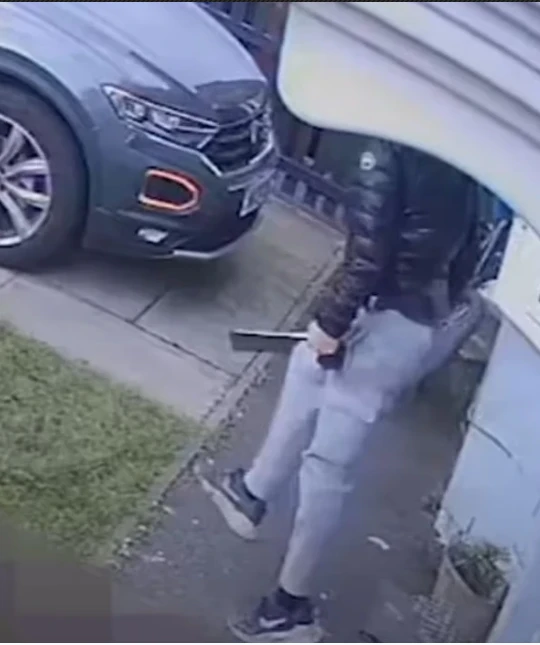
For the community in Greater Manchester, the loss served as a painful reminder of the human cost of violence. Families, friends, and neighbors were left to cope with the aftermath. Detective officers involved called it a stark example of how such incidents ripple outward, affecting everyone connected.
For Elms’ loved ones, the pain remains permanent. No legal outcome can restore what was taken. What endures is the memory of a young man who will never meet his son in person. Archie will grow up hearing stories about his father through photos, family memories, and the words of those who knew him.
Tragedies like this remind us that decisions made in anger can carry lifelong consequences. Sometimes, it only takes a single moment of escalation to change everything forever.