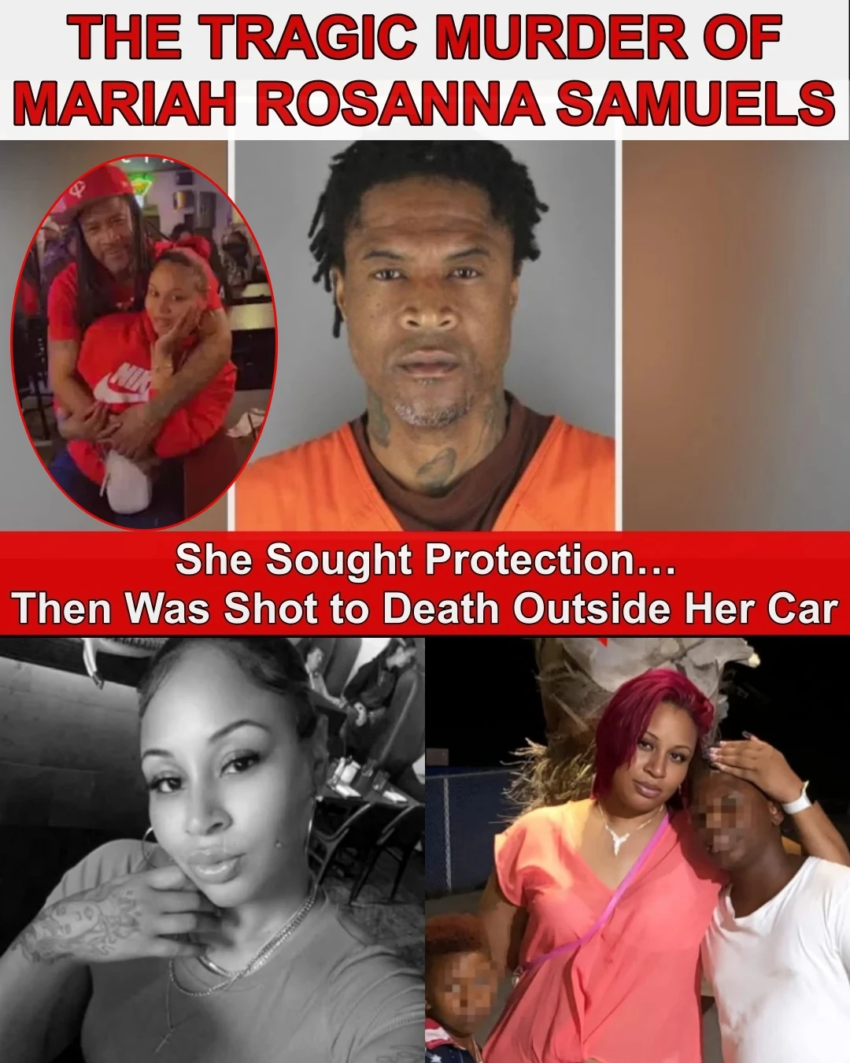
On the morning of September 14, 2025, a devastating incident occurred in Minneapolis, Minnesota, that left a family and community in profound sorrow.
Mariah Rosanna Samuels, a 34-year-old woman, was shot outside her vehicle in the 1400 block of Russell Avenue North. Police arrived around 7:50 a.m. after reports of gunfire and found Mariah with multiple gunshot wounds near her open car door. Despite quick efforts to help her, she was pronounced deceased at the scene, leaving neighbors and loved ones stunned.
The inquiry uncovered a troubling background. Mariah had been working to leave a dangerous relationship and had pursued legal protection. Court documents showed she secured a protective order against 51-year-old David Eugene Wright, citing repeated assaults, threats, and an alarming event where he reportedly held a gun to her head. The order was granted just weeks earlier to keep him away, but it did not stop the fatal confrontation.
In the days before the incident, Mariah had reported continued harassment and voiced deep fears for her safety. Friends, family, and neighbors observed her increasing worry and careful steps to stay secure.
That morning, Mariah was near her home, possibly getting ready for her day. Just outside her residence, Wright reportedly approached after waiting to confront her. Witnesses described how he opened fire deliberately as she came into view. Multiple shots were fired, striking her several times. Neighbors heard the sounds, at first thinking they might be a vehicle issue. Police later collected about 15 shell casings from the area.
One resident saw a man riding away on a bicycle shortly afterward. Authorities soon identified David Eugene Wright as the suspect who fled the scene. A coordinated search led to his arrest without further issues.
He faced serious charges, including first-degree premeditated murder and others tied to the prior abuse and relationship. On April 15, 2026, a jury convicted him of first-degree premeditated murder following a full trial. The result was a mandatory life sentence without parole.
While the conviction offered some accountability, it brought limited comfort to Mariah’s grieving family. They wonder if additional actions could have prevented the outcome, given the known risks and protective measures in place.
Mariah had taken standard steps in such situations: seeking legal safeguards, reporting threats, and prioritizing her well-being. Her family and supporters have since highlighted broader needs for stronger follow-through on warnings and faster responses.
Those who knew her describe Mariah as resilient, bright, kind, and loving—a person focused on building a positive future despite past difficulties. Her story goes beyond numbers, representing a life cut short and a family forever changed.
This case points to the importance of pairing protective orders with robust support, thorough risk evaluations, and swift action. Mariah’s loved ones continue advocating for improvements so others in similar situations receive the full protection they seek.
Her memory lives on as a call to strengthen community responses to warning signs and ensure that asking for help leads to real safety. Mariah Rosanna Samuels’ legacy reminds us all of life’s preciousness and the ongoing work needed to protect those in harm’s way.