
School systems across Texas are carefully reviewing expenses and timelines as they prepare to meet key requirements under Senate Bill 546. The legislation calls for three-point seat belts on all buses transporting students, with full implementation targeted for September 2029.
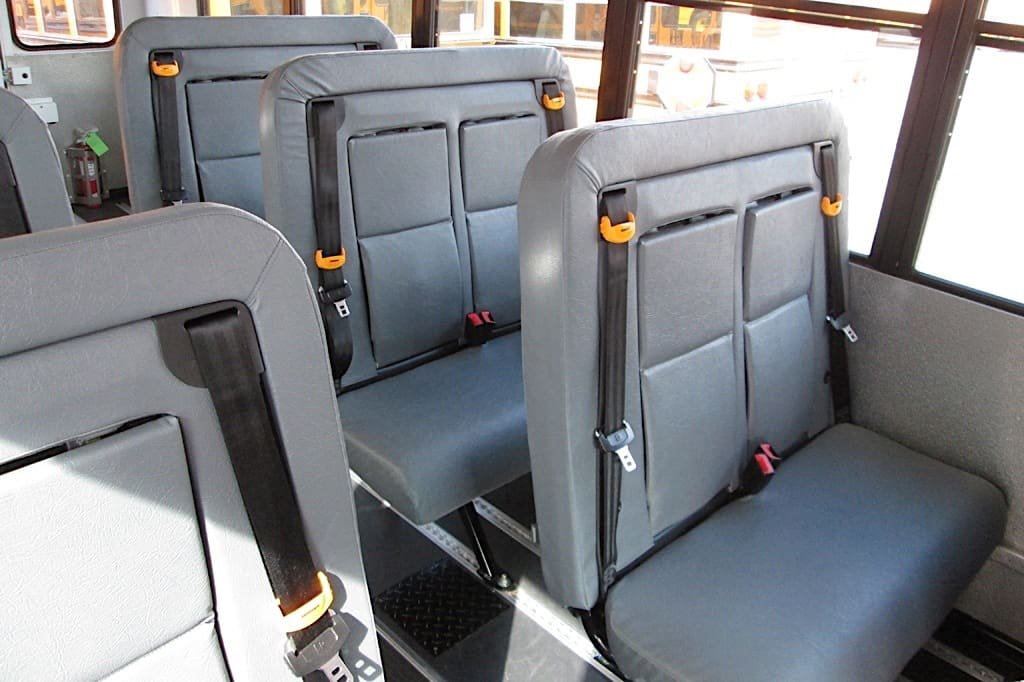
Many districts remain in the early planning phases, focusing on fleet assessments and cost estimates ahead of the May 29, 2026 reporting deadline to the Texas Education Agency. Officials must present details on current bus equipment, projected expenses for retrofits or replacements, and any budget constraints during public meetings.
The primary challenge centers on finances. Upgrading or replacing vehicles to include lap-and-shoulder belts involves substantial investment, with some larger districts estimating millions in potential costs. While the law provides flexibility for boards to document funding limitations, the emphasis remains on enhancing student safety during daily commutes.
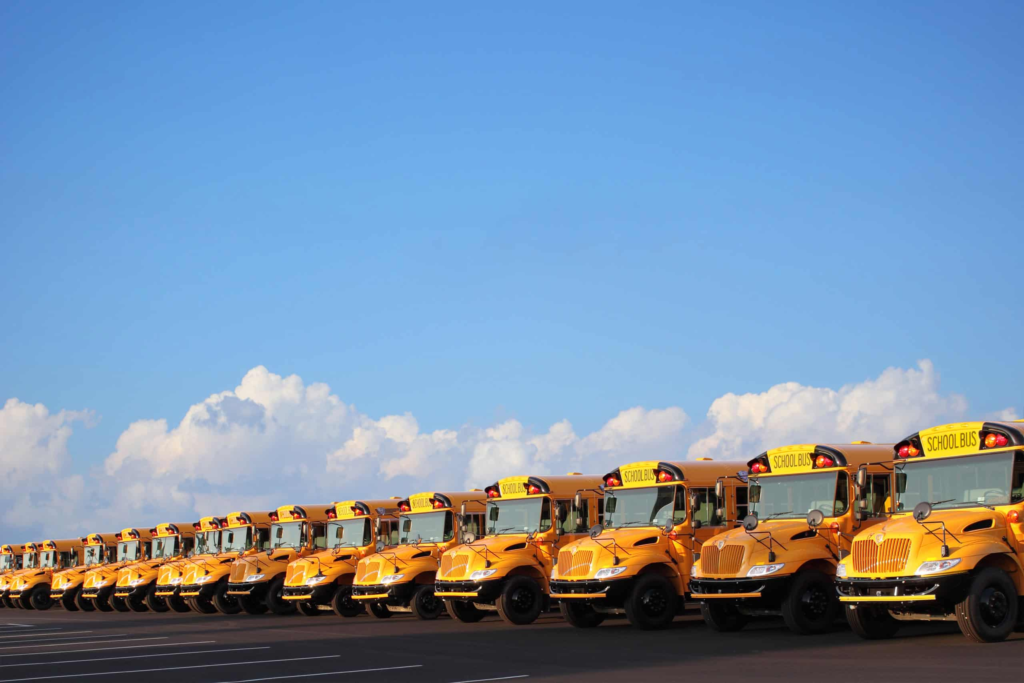
District leaders are exploring options like phased replacements as older buses retire naturally, seeking grants or donations, and balancing safety improvements with responsible budget management. State officials will compile the reported data to assess overall needs and inform future support considerations.
As the deadline approaches, communities continue weighing the benefits of upgraded safety features against practical funding realities, working toward compliance that prioritizes both student well-being and fiscal sustainability.