
George Stinney was just fourteen years old when his name became linked to one of the most troubling cases in American history—a case that, decades afterward, would prompt a fresh look at questions of justice, fairness, and the dangers of moving too quickly. In 1944, in the quiet town of Alcolu, South Carolina, two young white girls, Betty June Binnicker and Mary Emma Thames, went missing. Their disappearance stirred the community, and within a day, their bodies were discovered in a ditch. Concern spread fast, and authorities faced strong pressure to identify those responsible. Suspicion soon fell on George Stinney, a local teenager who lived nearby with his family. Reports from the time noted that he had been among the last to see the girls alive after they asked him for directions that day. That short encounter became central to the case against him.
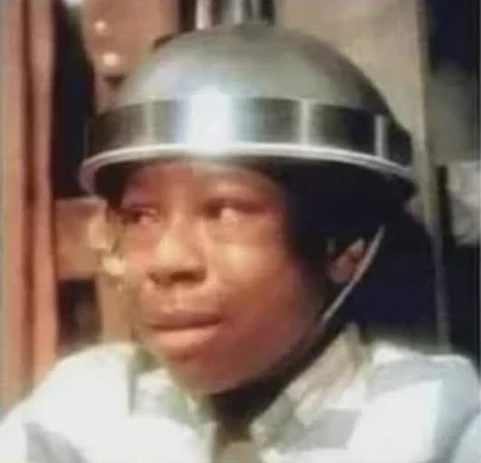
Advocates push for retrial to clear name of 14-year-old ‘killer’ executed in 1944
George was taken into custody and questioned without his parents or a lawyer present. Officials later said he confessed, yet no written record of the confession was produced, and no clear evidence confirmed the details of the interrogation. From the start, the handling of his arrest raised concerns that only deepened as the process continued.
The trial wrapped up in less than a day. His court-appointed lawyer offered little in the way of defense, calling no witnesses and mounting minimal challenge to the claims presented. The case rested mainly on the reported confession and some circumstantial details. The jury reached a verdict in about ten minutes. For a boy of fourteen, the result came swiftly: he received a death sentence.
On June 16, 1944—just eighty-three days after his arrest—George Stinney was executed. Accounts from that day remain deeply unsettling. Because of his small size, he reportedly needed a Bible placed beneath him to fit properly in the chair. The mask used during the procedure did not fit well, adding to the somber nature of the moment. It was a process many would later view as not only tragic but profoundly disturbing, one where events unfolded with little room for pause or deeper examination.
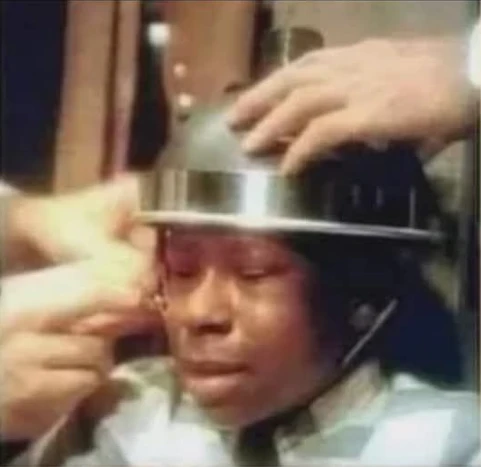
The George Stinney Tragedy
For many years, the case stayed as it had been recorded: a conviction, an execution, and a matter considered closed. Over time, however, new questions emerged. Historians, legal experts, and others revisited the limited physical evidence, the lack of a documented confession, and the way a young person had been handled in court. Later statements from witnesses offered details that did not align with the original account, including suggestions of an alibi. In 2014, more than seventy years later, a South Carolina judge reviewed the matter. The court found that George had not received a fair trial, citing serious shortcomings in due process. The conviction was overturned, and he was cleared.
The decision could not change what happened in 1944, but it recognized that a child had been sentenced without the full safeguards justice requires. The story has come to represent how legal processes can falter under pressure and haste. It has invited broader reflection on the need for careful review and accountability in the justice system. George Stinney’s experience has also drawn comparisons to fictional tales exploring similar themes of vulnerability and uncertain outcomes, such as elements in The Green Mile, helping introduce his story to new audiences.

Today, he is remembered as the youngest person executed in the modern United States, serving as a lasting reminder of the importance of thoroughness and fairness. His case continues to spark thoughtful discussion in legal settings, schools, and public forums about protecting rights and seeking truth. Even now, it leaves many wondering: if more time had been taken and more care given, might the full picture have emerged before it was too late?