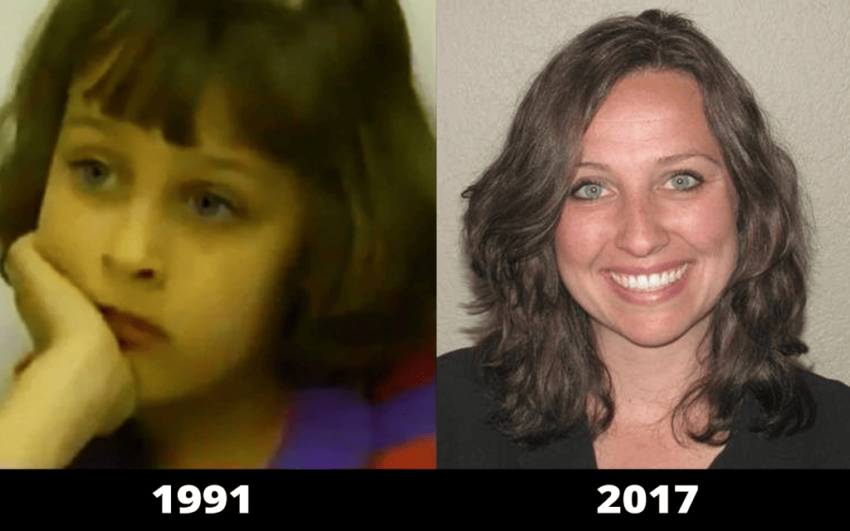
In 1990, HBO aired a documentary that left audiences deeply disturbed. Called “Child of Rage,” it shared the true story of Beth Thomas — a six-year-old girl whose words and actions pushed psychologists and viewers to face hard truths about early trauma, emotional development, and the lasting impact of abuse.
Beth’s difficulties did not start in her adoptive home. They began in her very early years, when she and her younger brother suffered serious mistreatment from their biological father. Those experiences happened during a key time in childhood when kids learn about safety, trust, and connection. When those early foundations are damaged, the results can deeply affect how a child understands the world.
After being removed from that situation, Beth and her brother were placed with caring adoptive parents. It looked like a fresh start. But the effects of her past stayed with her.
Her new family soon noticed troubling signs. Beth had trouble forming close bonds. She showed limited empathy. And her behavior grew more concerning. One early red flag was when she harmed a nest of baby birds — an act that worried everyone around her.
What stood out most, though, were her own words.
In sessions with psychologist Dr. Ken Magid, Beth spoke plainly about her thoughts. She said she wanted to harm her little brother and even her adoptive parents. When asked how, she answered calmly: “Stab them.” There was no emotion in her voice — no fear, no regret.
When questioned about the timing, she explained she would wait until nighttime. Her reason was unsettling: she didn’t want them to see it coming, but she wanted them to feel it.
Those moments from the documentary remain some of its most haunting parts.
Experts linked her behavior to severe early trauma. She was diagnosed with signs of Reactive Attachment Disorder (RAD), a condition common in children who have faced major neglect or abuse. Kids with RAD often struggle with emotional connections and may show challenging behaviors as a result.
Life at home became stressful for her adoptive family. They cared for her deeply but needed to keep everyone safe. They took steps like locking away sharp items and adjusting nighttime routines. Their house turned into a space of both love and careful protection.
In time, Beth entered focused, intensive therapy.
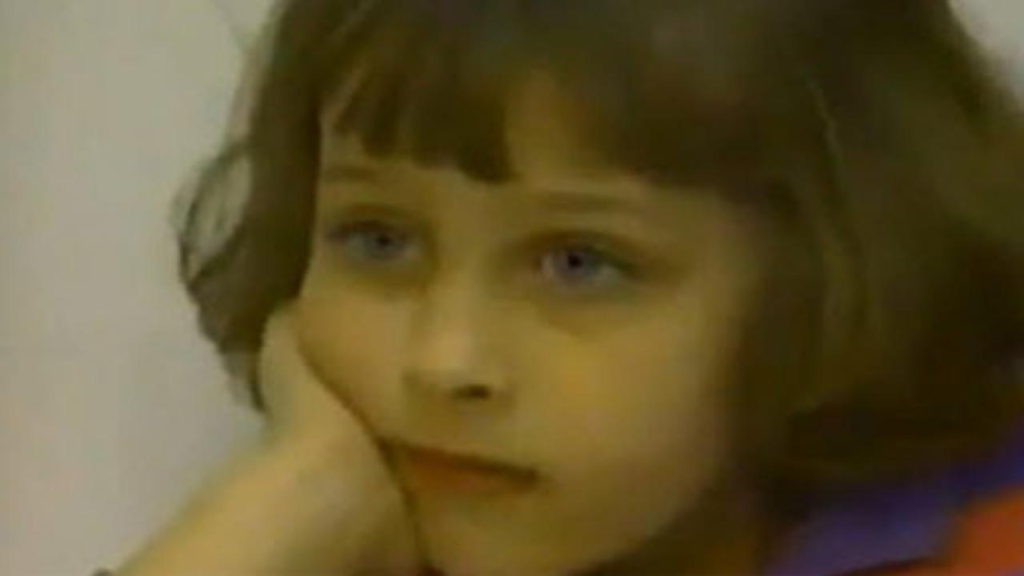
It was not an overnight solution. It took steady, structured help over many months. Through that support, she gradually learned to identify feelings, consider outcomes, and build healthier ways to relate to others.
And slowly, progress came.
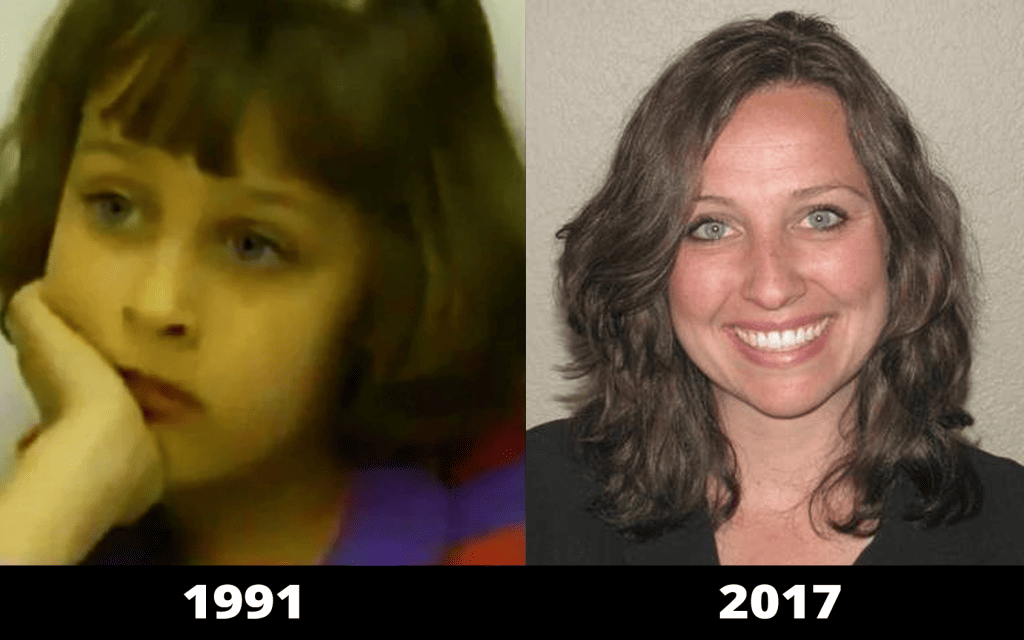
The girl who once spoke so coldly about harm started showing real empathy. The child who struggled to connect began forming real relationships. Later accounts show Beth grew into a stable adult who built a career in healthcare, helping others in need.
Her journey raises a tough question: How much of this came from what happened to her, and how much from other factors?
While experts still discuss the balance between early experiences and other influences, Beth’s case highlights how deeply trauma can affect a young child — especially in the most important developmental years.
At the same time, her story offers real hope.
With the right early help, a supportive setting, and ongoing care, meaningful change is possible.
“Child of Rage” continues to be one of the most talked-about documentaries of its time. Not simply because of what a six-year-old said, but because it shows both the damage trauma can cause and the path toward healing.
It reminds us that when children show serious struggles, it is often a sign of what they have been through — and with proper support, a brighter future can still be within reach.