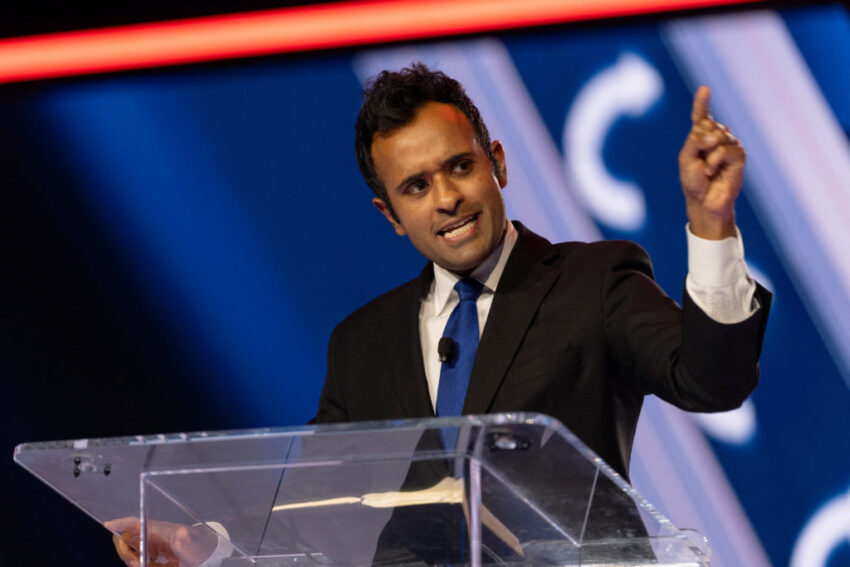
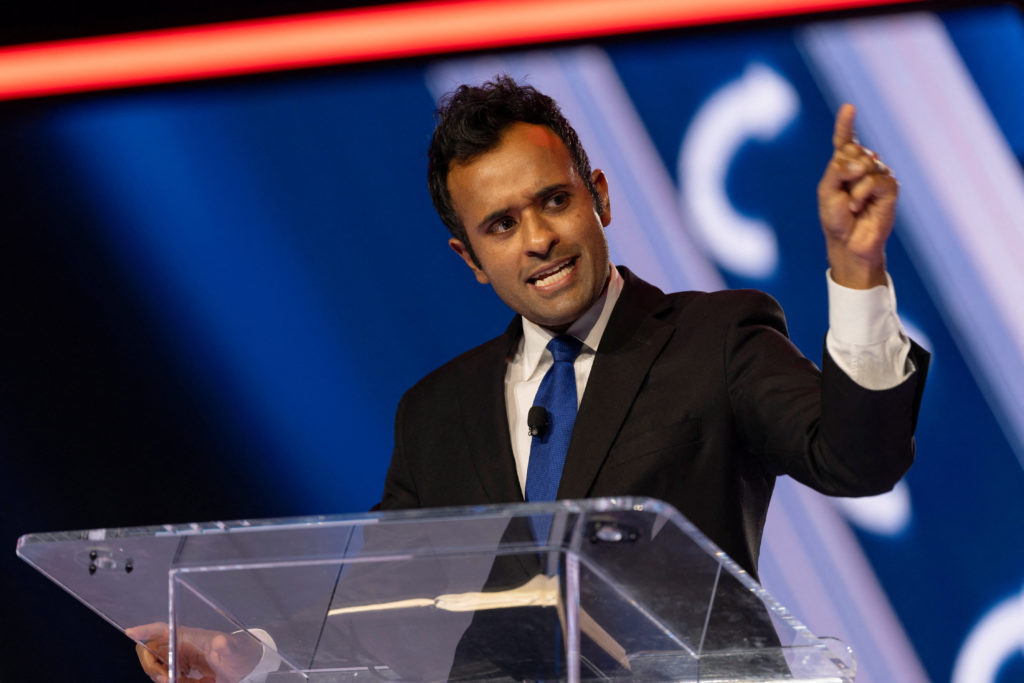
In recent months, Vivek Ramaswamy has positioned himself as one of the most outspoken advocates of modern American nationalism. As he campaigns for governor of Ohio, his speeches and public appearances frequently center on a singular theme: a deep and unwavering love for the United States. But as his profile rises, so too does the question—how much of this rhetoric is conviction, and how much is campaign strategy?
Ramaswamy, a former biotech executive and 2024 presidential candidate, officially launched his bid for Ohio governor in 2025, quickly becoming a frontrunner in the Republican primary. His campaign emphasizes economic revival, education reform, and a return to what he calls “core American values.” In speeches, he often describes the United States as “the greatest nation known to mankind,” urging voters to rediscover a shared sense of identity and purpose.
Central to his message is the idea that patriotism has been eroded by political division and cultural shifts. Ramaswamy argues that restoring national pride is essential not only for political unity but also for economic and social progress. His platform includes proposals such as reducing taxes, expanding school choice, and strengthening civic education—policies he claims will “revive conviction in America” starting at the state level.
Supporters view this message as both timely and necessary. Backed by prominent figures like Donald Trump, who praised him as a “young, strong and smart” patriot, Ramaswamy has gained significant traction among conservative voters. His alignment with the broader “America First” movement has helped consolidate support within the Republican base, particularly in a state that has trended increasingly conservative in recent years.
However, critics argue that his rhetoric may be more strategic than sincere. Political analysts note that appeals to patriotism have long been a powerful tool in American politics, particularly during periods of uncertainty. By emphasizing national pride and cultural identity, candidates can mobilize voters emotionally while sidestepping more complex policy debates.
Some detractors also point to controversies surrounding Ramaswamy’s past statements and business ventures, suggesting inconsistencies between his public messaging and previous actions. Others question whether his focus on cultural issues distracts from pressing economic and social challenges facing Ohio residents.
The political landscape in Ohio further complicates the narrative. The 2026 gubernatorial race is shaping up to be highly competitive, with both Republican and Democratic candidates vying for influence in a state that remains a key battleground. Ramaswamy’s strong polling numbers indicate that his message resonates with a significant portion of voters—but whether that support will translate into electoral victory remains uncertain.
Adding to the tension are external factors, including political infighting and public scrutiny. Ramaswamy has faced both strong endorsements and sharp criticism, reflecting the polarized environment in which he operates. Despite these challenges, he continues to double down on his central theme: that a renewed სიყვe for America can serve as the foundation for national and state-level renewal.
Ultimately, the question of authenticity versus strategy may be less important than the impact of his message. In a political era defined by division, Ramaswamy’s emphasis on patriotism taps into a powerful current within American society. Whether viewed as a genuine belief or a calculated move, it is undeniably effective in capturing attention and shaping the conversation.
As the campaign progresses, voters in Ohio—and across the nation—will decide whether Vivek Ramaswamy represents the future of conservative leadership or simply another chapter in the evolving playbook of American politics.