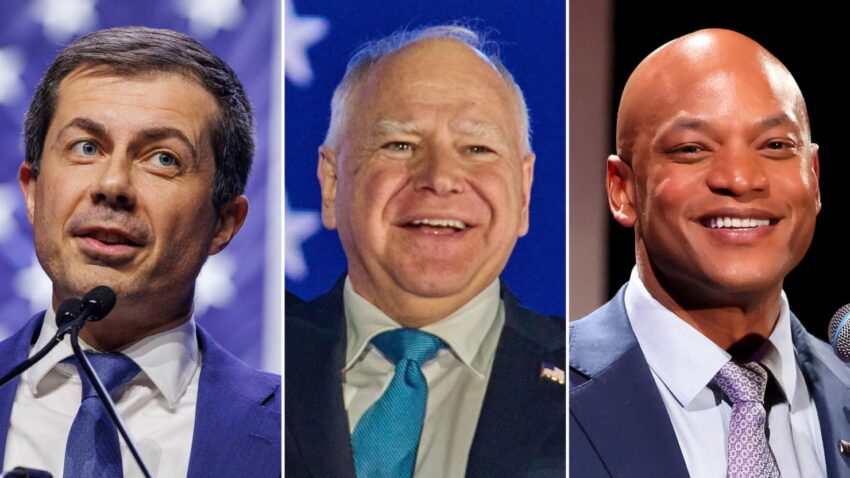
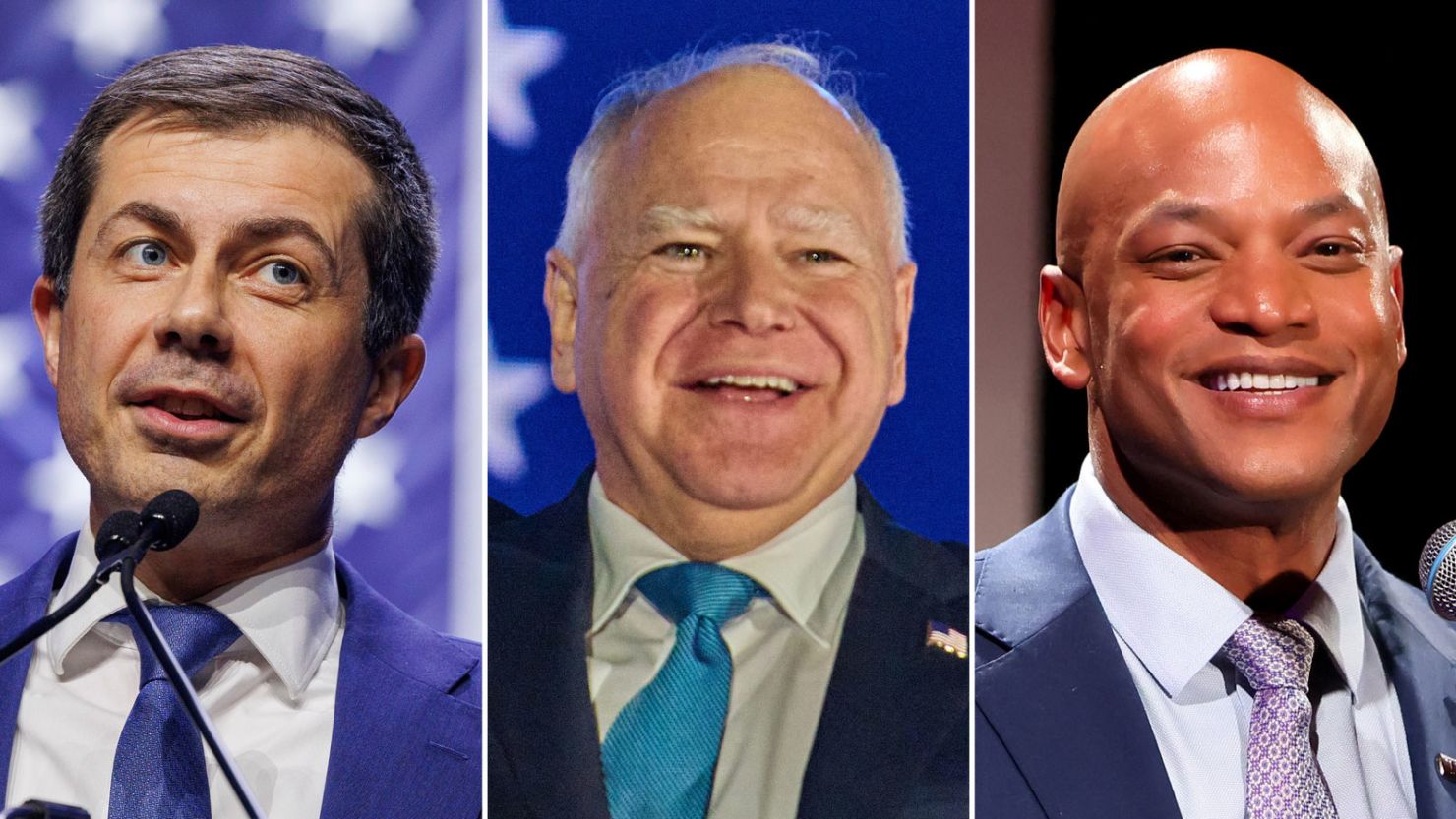
WASHINGTON, D.C. — The 2028 Democratic presidential nominee race is already generating intense national attention, months — even years — before the first votes are cast. What might seem premature to some political observers has become a captivating spectacle for political junkies and analysts alike, driven by prediction markets, early polling, and debates over the ideological direction of the party.
Despite the 2026 midterm elections still ahead, the Democratic primary landscape is buzzing with speculation about who will carry the party’s banner in the next presidential contest — and why the current mix of potential contenders reflects both deep divides and high stakes within the party.
Political prediction markets — platforms where traders buy and sell contracts based on who they think will become the nominee — are offering one of the most vivid early snapshots of the Democratic field. According to the latest data, Gavin Newsom currently leads the pack with the highest implied probability of securing the nomination. On one prominent exchange, Newsom was trading with more than 25 % odds, significantly ahead of other Democratic contenders.
Behind him, progressive firebrand Alexandria Ocasio‑Cortez holds the second position with roughly 8–9 % odds, reflecting strong enthusiasm among younger and more radically reform‑minded voters. Other names like Governor Josh Shapiro of Pennsylvania, former Vice President Kamala Harris, and former Transportation Secretary Pete Buttigieg also appear in prediction markets with more modest probabilities.
The spread of the field underscores how much uncertainty still exists. Unlike in some Republican prediction markets — where figures like Vice President JD Vance hold clear leads — the Democratic race remains highly competitive and unpredictable even at this early stage.
Although no candidate has officially declared a campaign, several established political figures are already being mentioned frequently:
In early national polls of potential Democratic primary voters, support remains fluid and often contradictory, underscoring the fragmented nature of the race. One survey showed Newsom and former Transportation Secretary Pete Buttigieg trading places for leads in voter preferences, while Ocasio‑Cortez consistently ranked high among younger and progressive cohorts.
Other polls suggest that a significant share of Democrats remain undecided, meaning the field could consolidate around a front‑runner only after the official campaign begins and primary debates commence.
Beyond name recognition and odds, ideological debates are already shaping the tenor of the primary discussions within the Democratic Party. Progressive activists have begun pushing for wealth taxes and other bold fiscal policies to become litmus tests for potential nominees — a stance that could test the resolve of establishment candidates and influence where grassroots support flows.
This ideological tension mirrors broader debates about the future direction of the Democratic Party: should it move toward bold progressive reforms to energize its base, or should it stick with more moderate messaging to appeal to swing voters in a general election? These questions are already influencing how potential candidates position themselves and how early supporters are reacting.
What makes the 2028 race especially compelling — and talked about even before the official campaign launch — is the combination of political uncertainty and high stakes. The Democrats’ performance in the upcoming midterm elections will affect the party’s morale and strategic direction, setting the tone for how ambitious or cautious candidates may choose to be.
Additionally, the Republican side appears to be coalescing more quickly around known figures, which heightens the contrast with the Democrats’ wide‑open field. This dynamic feeds political enthusiasts’ fascination, as they watch how two very different nomination battles evolve simultaneously.
As the political calendar progresses toward 2028, the Democratic nominee race will likely shift from prediction markets and early polls to formal announcements, primary debates, and grassroots organizing. Each step will reshape expectations and perhaps reveal new contenders who are not yet household names.
For now, the 2028 Democratic primary remains one of the most unpredictable and closely watched contests in American politics — a narrative full of dynamic personalities, policy debates, and the ever‑present question of where the party is heading next.
Whether the frontrunner consolidates his lead or an insurgent challenger rises to prominence, one thing is certain: political fans — and prediction markets — will be watching every twist and turn on the road to 2028.